Selecting medical packaging requires balancing barrier integrity, material compatibility, and regulatory compliance. This guide provides criteria for choosing sterile packaging, including a comparison table and decision checklist for professional buyers.
- Match barrier type and sterilization method to the consumable material to prevent degradation or recontamination.
- Verify that the packaging withstands the specific sterilization process, such as ethylene oxide or gamma irradiation.
- Confirm that the packaging meets applicable regulatory standards and documentation requirements.
- Test samples under realistic handling conditions before committing to a full production run.
- Factor in lead times, minimum order quantities, and supplier reliability into the final sourcing decision.
What are the core functions of sterile packaging
Sterile packaging maintains the sterility of the consumable until the point of use. It also protects the product during storage, transport, and handling. For medical consumables, the barrier system must perform under a wide set of conditions.
The barrier must prevent microbial ingress. It must also prevent particulate contamination. In many cases, it must resist chemical exposure or maintain structural integrity under specific temperature ranges. The packaging is not just a container. It is an active component of the product’s quality profile.
When evaluating options, define the service life of the product. A consumable stored for five years requires different barrier performance than one used within a month. The longer the storage period, the tighter the specifications for water vapor transmission and oxygen transmission.
Consider the physical form of the item. A single syringe presents different mechanical risks than a box of suture needles or a tray of surgical gloves. The packaging must accommodate the shape and weight without introducing stress points that weaken the seal. For example, a rigid tray may be required for items that shift during transport, while a flexible pouch may suffice for small, light components.
The barrier system also serves a communication function. It carries the information that tells a clinician how to handle, open, and verify the product. If the packaging fails to communicate clearly, the sterile barrier is at risk. A label that is obscured by condensation or a seal that is ambiguous about its integrity can lead to improper use.
Environmental conditions in the supply chain add another layer of complexity. Warehouses in different climates present varying humidity levels. Transport vehicles may experience temperature fluctuations. The packaging must absorb these impacts without losing its barrier properties. A material that performs well in a controlled laboratory setting may degrade quickly in a humid tropical storage facility.
The choice of packaging also affects the cost of goods. A high-performance barrier material may cost more per unit. However, if it prevents a recall or a field failure, the cost savings can be significant. The total cost of ownership includes the material cost, the sterilization cost, the testing cost, and the potential cost of a quality event.
Finally, packaging influences the user experience. A pouch that is difficult to open increases the risk of touching the sterile item. A rigid container that is hard to stack creates logistical challenges. The packaging must be practical for the person who handles it daily.
Which barrier types suit different consumables
The choice of barrier material depends on the consumable and the sterilization method. Films, pouches, and rigid containers each have distinct trade-offs.
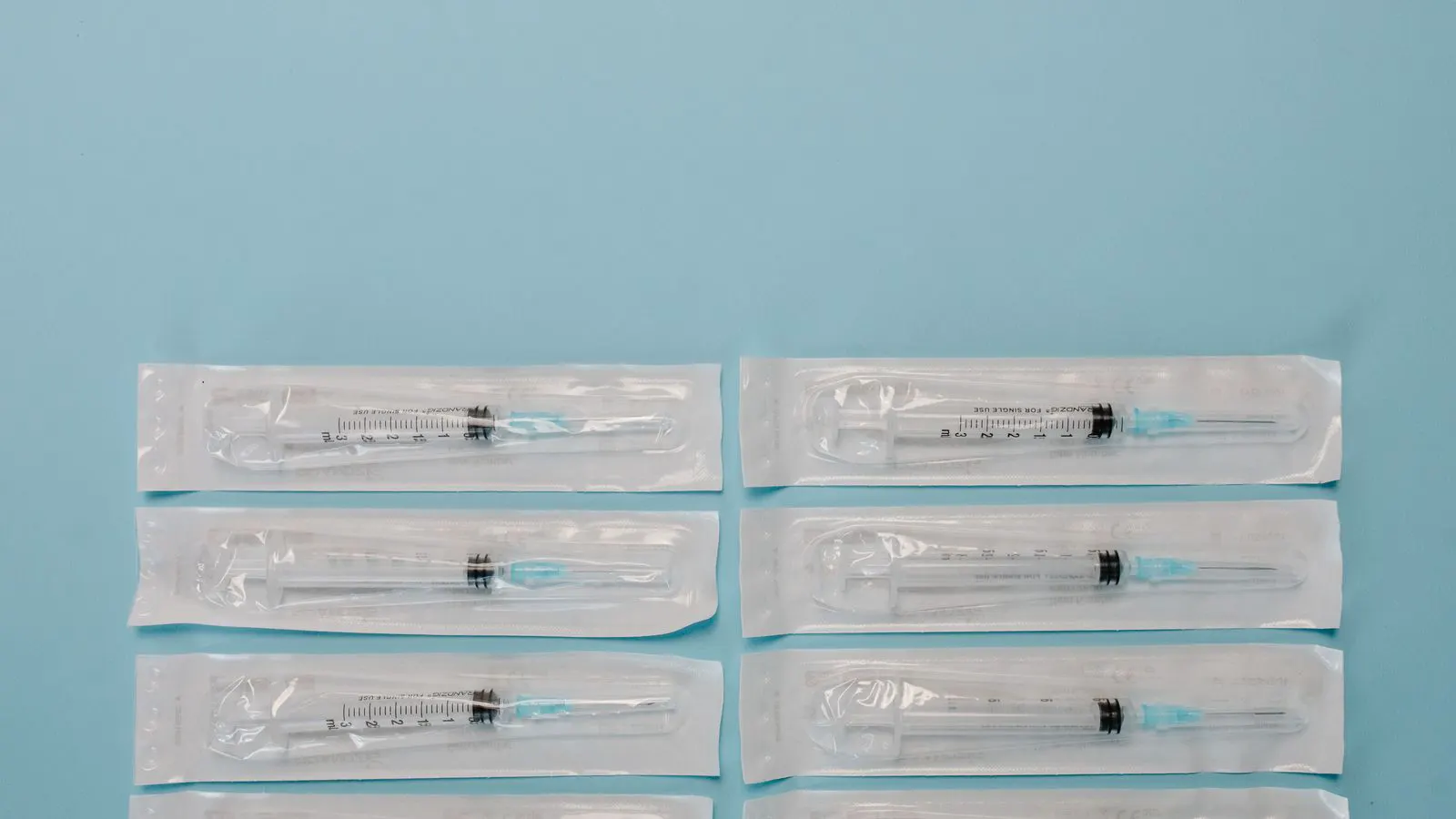
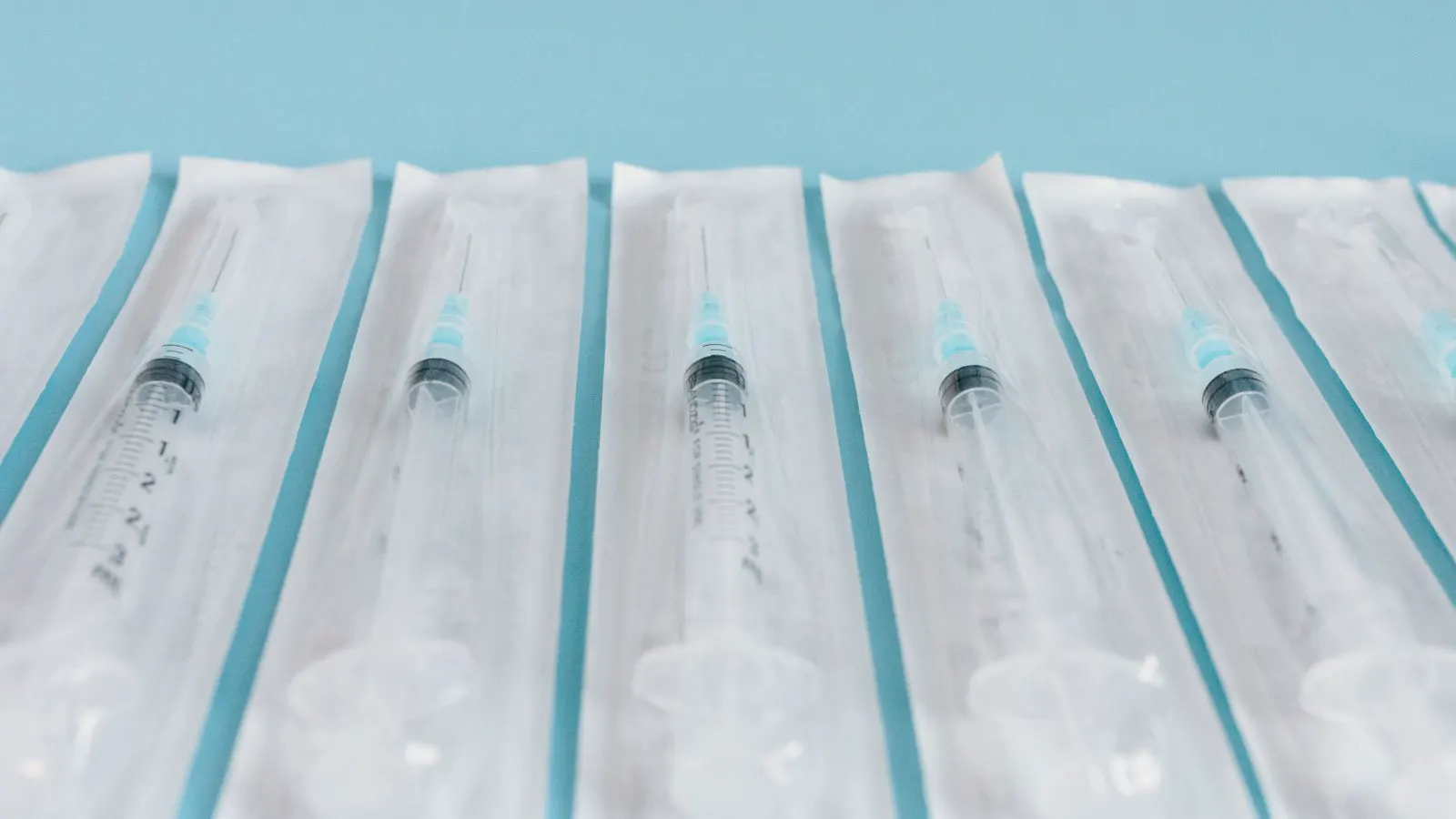
Films and pouches are common for small or medium-sized items. They are cost-effective and easy to seal. However, they require careful material selection to avoid punctures or seal failure. Pouches with integrated tabs offer easier opening, which reduces the risk of touching the sterile item during use.
Rigid containers are better for items that require structural support or protection from impact. They are often used for larger devices or items that must be stacked. Rigid containers can be more expensive and may require a different closure mechanism to ensure a reliable seal.
Hybrid systems combine both approaches. A rigid tray with a film overwrap, for example, provides structural protection and a reliable barrier. This is common for multi-component kits where the consumables must remain aligned and protected.
When selecting a film, pay attention to the layer structure. Many sterile films are multilayer laminates. One layer provides the barrier to moisture and oxygen. Another layer provides the seal to the product. A third layer provides the print surface for labeling. If one layer fails, the entire system fails. For instance, a poor adhesion between the seal layer and the barrier layer can lead to a seal that looks intact but is actually compromised.
Pouches come in various configurations. Some are flat, others are pillow-shaped. The shape affects how the item sits inside. A pillow-shaped pouch may conform better to irregularly shaped items, reducing the chance of the item shifting during transport. However, it may also create air pockets that affect the sterilization process.
Rigid containers offer excellent protection. They can be made of plastic or metal. Plastic containers are lighter and often cheaper. Metal containers are heavier but may offer better protection against impact. The choice depends on the product and the transport conditions.
Hybrid systems are versatile. A tray made of molded plastic can hold multiple components in specific positions. A film can be sealed over the tray to create a barrier. This system is ideal for kits that contain items of different sizes or shapes. It ensures that each component remains in its intended position and is protected from external contaminants.
Consider the opening mechanism. A tear strip is common for pouches. A peel-back lid is common for rigid containers. The mechanism must be reliable. If the tear strip is difficult to use, the user may use a knife or scissors, which increases the risk of contamination. A peel-back lid must release cleanly without tearing the sterile area.
The material of the barrier itself matters. Tyvek-like materials are common for their breathability and strength. Polyethylene is common for its sealability. PET is common for its clarity and strength. The choice affects the sterilization performance and the shelf life. For example, a material with high water vapor transmission may not be suitable for a long storage period.
How sterilization method affects packaging choice
The sterilization process is a major driver in packaging selection. The barrier must withstand the chosen method without compromising its integrity.
Ethylene oxide sterilization is widely used for heat-sensitive items. The packaging must be resistant to the chemical and moisture conditions of the process. Some films degrade over time when exposed to ethylene oxide, leading to increased water vapor transmission. Material selection here is critical.
Gamma irradiation and electron beam sterilization use ionizing radiation. The barrier must resist embrittlement and discoloration. Certain plastics become brittle after irradiation, which weakens the seal and the barrier. Testing under the specific radiation dose is necessary to confirm performance.
Autoclave steam sterilization is used for heat-stable items. The packaging must withstand high temperatures and pressure. Standard films may fail under these conditions. Rigid containers or specialized heat-resistant films are typically required.
If the sterilization method is not yet fixed, the packaging decision becomes more complex. Selecting a barrier that can handle multiple methods may reduce flexibility in the sterilization step but increase costs.
Ethylene oxide sterilization involves exposing the item to a mixture of ethylene oxide gas and water vapor. The process is gentle on heat-sensitive items. However, the chemical nature of the gas can affect certain materials. Some films become more permeable after exposure. This means that a packaging system that is excellent before sterilization may have a shorter shelf life after sterilization. The material must be selected based on post-sterilization performance, not just pre-sterilization performance.
Ionizing radiation, such as gamma or electron beam, uses high-energy photons or electrons to kill microorganisms. This process is fast and effective. However, it can damage the molecular structure of plastics. The polymer chains can break, leading to embrittlement. An embrittled film may crack during handling. A discoloration can obscure the labeling. The material must be selected based on its resistance to the specific dose used.
Autoclave sterilization uses steam at high temperature and pressure. This method is effective for heat-stable items. However, it requires the packaging to withstand the heat and moisture. Standard films may melt or warp. The seal may fail. Rigid containers made of heat-resistant materials are often used. Alternatively, specialized films designed for autoclaving can be used.
The choice of sterilization method also affects the packaging design. For example, a pouch designed for ethylene oxide may need to be thicker to resist the chemical. A pouch designed for autoclaving may need a different sealant to withstand the heat. The design must be matched to the process.
If the sterilization method is changed, the packaging may need to be revalidated. This can be costly and time-consuming. Therefore, it is important to fix the sterilization method early in the development process.
What regulatory and documentation requirements apply
Regulatory compliance is non-negotiable for sterile medical consumables. The packaging must meet applicable standards for barrier performance, labeling, and traceability.
Documentation is part of the packaging. The barrier system must be validated for the specific product. This includes testing for seal strength, water vapor transmission, oxygen transmission, and microbial barrier. These tests are typically performed in controlled environments to ensure repeatability.
Labeling requirements vary by market. The packaging must clearly display the product name, lot number, expiration date, and sterilization symbol. It must also indicate the storage conditions and handling instructions. Missing or incorrect labels can lead to product rejection and recall.
Supplier documentation is equally important. Certificates of analysis, material safety data sheets, and regulatory compliance statements must be available. The supplier should be able to provide these documents for each production batch. This is a key part of the pre-shipment checklist for sterile medical consumables.
The regulatory framework requires that the packaging be suitable for its intended use. This means that the packaging must not release harmful substances to the product. It must also not degrade in a way that affects the safety or efficacy of the consumable. The material must be biocompatible if it comes into contact with the product or the patient.
Traceability is a key requirement. The packaging must allow the product to be traced from the point of manufacture to the point of use. This includes the lot number, the production date, and the expiration date. The labeling must be durable. It must not fade or peel during storage or handling.
The sterilization symbol must be clearly visible. This symbol indicates that the product has been sterilized. It also indicates the method of sterilization. The symbol must be legible. If the symbol is obscured, the user may not know if the product is sterile.
The storage conditions must be clearly indicated. This includes the temperature and humidity range. If the product is stored outside this range, the barrier performance may be affected. The user must be able to identify the correct storage conditions.
The handling instructions must be clear. This includes how to open the packaging without compromising the sterility. For example, the instructions may specify that the pouch should be opened by tearing along a specific line. They may also specify that the sterile area should not be touched.
The documentation must be complete and accurate. It must include the material specifications, the sterilization process parameters, and the test results. The documentation must be available for regulatory audits. It must also be available to the customer.
How to evaluate supplier capability and reliability
Selecting a supplier is as important as selecting the material. The supplier must have the capability to produce the packaging at scale with consistent quality.
Evaluate the supplier’s production environment. Is it a cleanroom? What are the environmental controls for temperature and humidity? These factors affect seal quality and barrier performance. A supplier with poor environmental controls may produce batches with inconsistent seals, leading to field failures.
Check the supplier’s quality management system. Look for documented procedures for material incoming inspection, in-process checks, and final release testing. The supplier should have a clear process for handling non-conforming material and for managing customer complaints.
Lead times and minimum order quantities are practical concerns. A packaging material that is ideal on paper may be impractical if the lead time is too long or the minimum order quantity is too high. Factor these into the total cost of ownership.
The supplier’s production capacity is also important. Can they meet your demand? Can they scale up if your business grows? A supplier that can only produce small quantities may not be suitable for a large product launch.
The supplier’s track record is a key indicator of reliability. Have they supplied similar products before? Do they have a history of quality issues? Check for references from other customers. Ask about their process for handling non-conforming material. Ask about their complaint resolution process.
The supplier’s financial stability is also relevant. A financially unstable supplier may have difficulty meeting production deadlines or maintaining quality standards. Check their financial health. Look for signs of instability, such as frequent leadership changes or restructuring.
The supplier’s geographic location can affect lead times and costs. A supplier located far from your facility may have longer lead times. A supplier located in a different time zone may have communication challenges. Factor these into your decision.
The supplier’s technology is important. Do they have the equipment to produce the packaging you require? Do they have the capability to perform the necessary testing? A supplier with advanced technology may be able to produce a higher quality product. However, they may also be more expensive.
The supplier’s ability to support your product development is also important. Can they help you select the right material? Can they help you design the packaging? Can they help you validate the packaging? A supplier with strong technical support can save you time and money.
What testing and verification steps are required
Before committing to a production run, verify the packaging performance under realistic conditions. Do not rely solely on supplier data sheets.
Request samples and run your own testing. Test the seal integrity, water vapor transmission, and microbial barrier. Test under the actual storage conditions expected in the supply chain. Temperature extremes and humidity changes can affect barrier performance over time.
Conduct shelf-life studies if the storage period is long. This involves storing samples under controlled conditions and testing them at regular intervals. The results will show how the barrier degrades over time.
Document all test results. These records are part of the regulatory file and are needed for product registration and audits. Keep them organized and accessible.
The seal integrity test is a fundamental step. It verifies that the seal is strong enough to withstand the handling and transport conditions. The test may involve applying a force to the seal and measuring the force required to break it. It may also involve inspecting the seal for defects, such as voids or bubbles. A void in the seal can allow moisture and microorganisms to enter. A bubble can indicate a poor seal.
The water vapor transmission test measures the amount of water vapor that passes through the barrier. It is a key indicator of the barrier’s ability to maintain sterility. A high water vapor transmission rate means that the barrier is not effective. It may also indicate that the barrier is degrading. The test is performed under controlled conditions to ensure repeatability.
The oxygen transmission test measures the amount of oxygen that passes through the barrier. Oxygen can support the growth of microorganisms. It can also degrade the product. A high oxygen transmission rate means that the barrier is not effective. It may also indicate that the barrier is degrading.
The microbial barrier test verifies that the barrier prevents the passage of microorganisms. It is a critical test for sterile products. The test may involve exposing one side of the barrier to a known concentration of microorganisms and checking the other side for the presence of microorganisms. If microorganisms are detected on the other side, the barrier has failed.
Shelf-life studies are essential for long storage periods. They involve storing samples under controlled conditions and testing them at regular intervals. The results show how the barrier degrades over time. They also show when the barrier will reach the end of its useful life. The results are used to determine the expiration date of the product.
Documentation is a key part of the testing process. All test results must be recorded. The records must include the test method, the test conditions, the test results, and the interpretation of the results. The records must be retained for the required period. They must be accessible for regulatory audits.
Decision checklist for selecting medical packaging
Use the following checklist to make a final decision.
- Define the consumable and its sterilization method.
- Identify the required barrier performance for the storage and transport conditions.
- Select the barrier type that matches the product and sterilization method.
- Verify regulatory compliance and documentation requirements.
- Evaluate the supplier’s production capability, quality system, and lead times.
- Run sample testing and shelf-life studies.
- Finalize the specification and production parameters.
| Criterion | What to look for | Why it matters |
|---|---|---|
| Barrier performance | Low water vapor and oxygen transmission | Prevents microbial ingress and maintains sterility over time |
| Material compatibility | Resistance to sterilization method and storage conditions | Prevents degradation, embrittlement, or seal failure |
| Seal reliability | Consistent seal strength and integrity | Ensures the barrier remains intact during handling and storage |
| Regulatory fit | Applicable standards and labeling requirements | Avoids product rejection and supports market access |
| Supplier capability | Cleanroom environment, quality system, lead times | Ensures consistent quality and on-time delivery |
| Documentation | Certificates of analysis, MSDS, compliance statements | Supports regulatory audits and traceability |
The choice of medical packaging is a multi-variable decision. No single factor determines the outcome. The barrier must perform under the intended conditions, meet regulatory requirements, and be supplied reliably.
Start by defining the product and the sterilization method. Then narrow the options based on barrier performance and material compatibility. Test samples before committing. Verify the supplier’s capability. This process reduces the risk of field failures and supports a smooth transition to production.
The final selection should be documented clearly. Specify the material, dimensions, seal parameters, and testing requirements. This document becomes the baseline for quality control and supplier performance. It also supports the pre-shipment checklist and the long-term quality management of the product.
A well-selected packaging system is a quiet enabler of product success. It protects the consumable, supports the sterilization process, and meets the regulatory and operational demands of the supply chain. The work is done in the specification and verification stages, not in the field.
Frequently asked questions
What is the most common barrier type for small sterile consumables?
Films and pouches are the most common barrier types for small sterile consumables. They are cost-effective and easy to seal, but material selection is critical to avoid punctures or seal failure.
How does ethylene oxide sterilization affect packaging?
Ethylene oxide can cause some films to degrade over time, leading to increased water vapor transmission. Material selection must be tested to confirm resistance to the chemical and moisture conditions of the process.
What documentation is required for sterile packaging?
Certificates of analysis, material safety data sheets, and regulatory compliance statements are required. These documents support regulatory audits and must be available for each production batch.
Should I test packaging samples before production?
Yes. Request samples and run your own testing for seal integrity, water vapor transmission, and microbial barrier. Test under actual storage conditions to confirm performance.
How do I choose between rigid and flexible packaging?
Rigid containers are better for items that require structural support or protection from impact. Flexible films and pouches are more cost-effective for smaller items. Choose based on the product's physical needs and sterilization method.