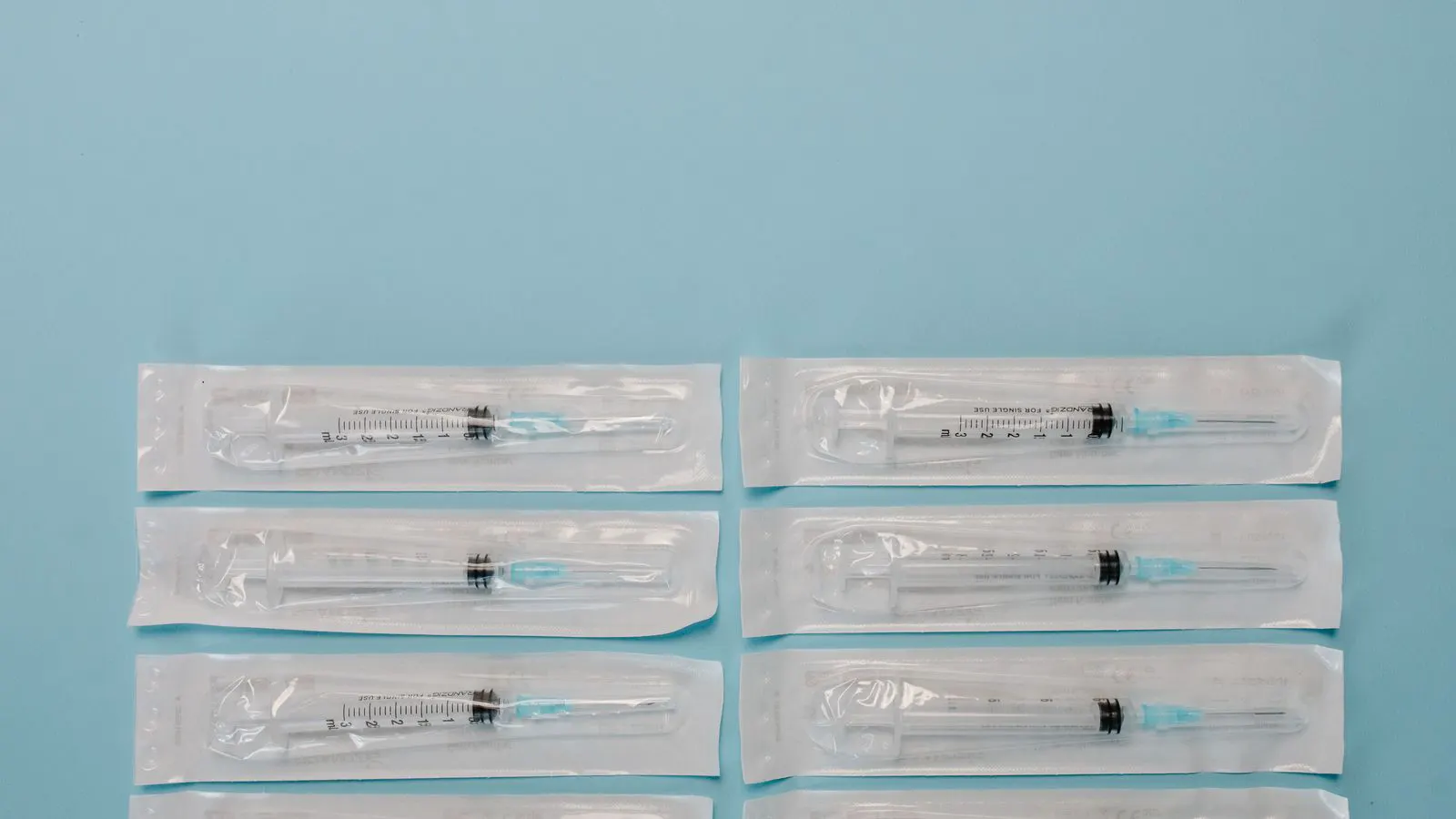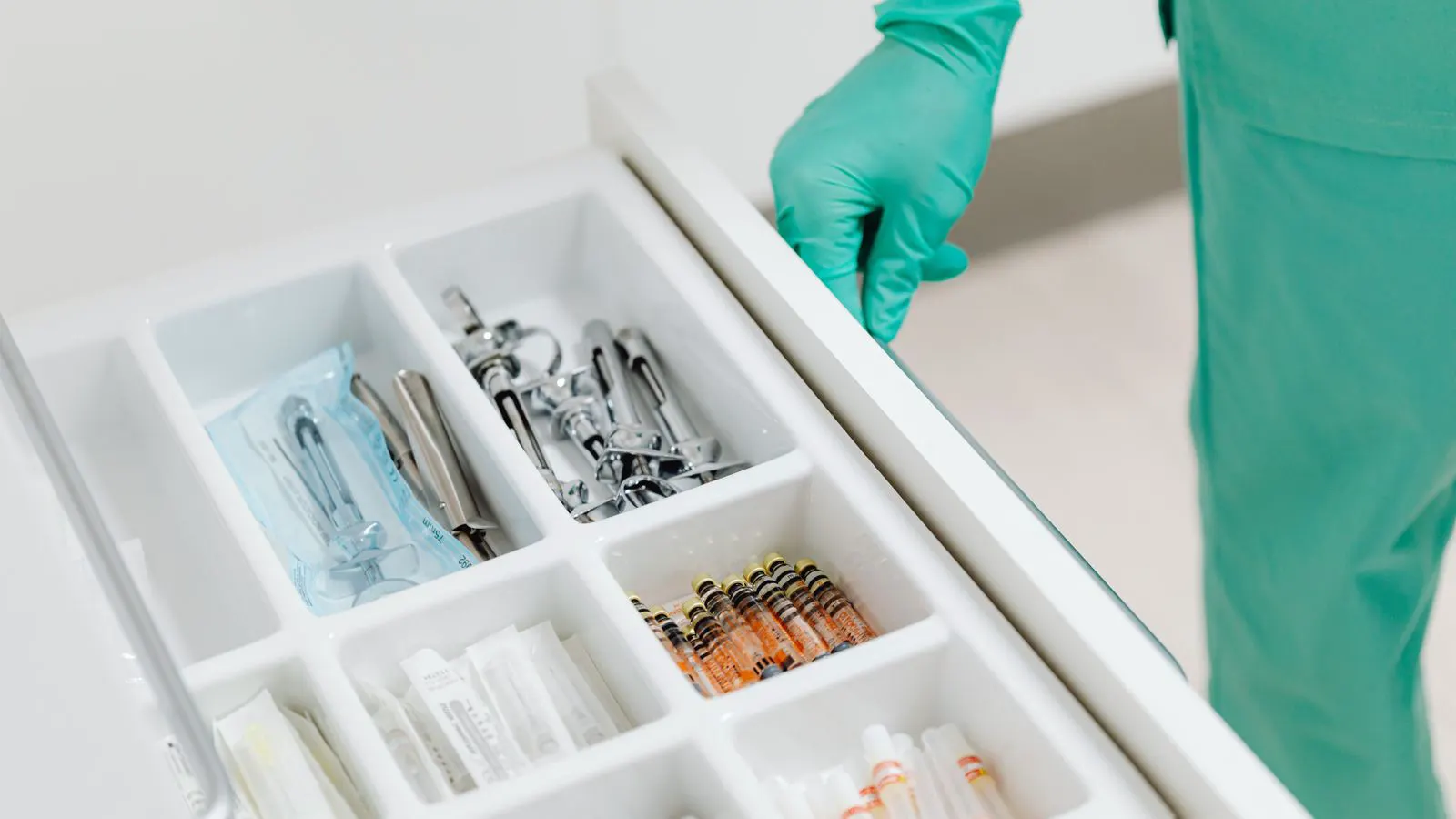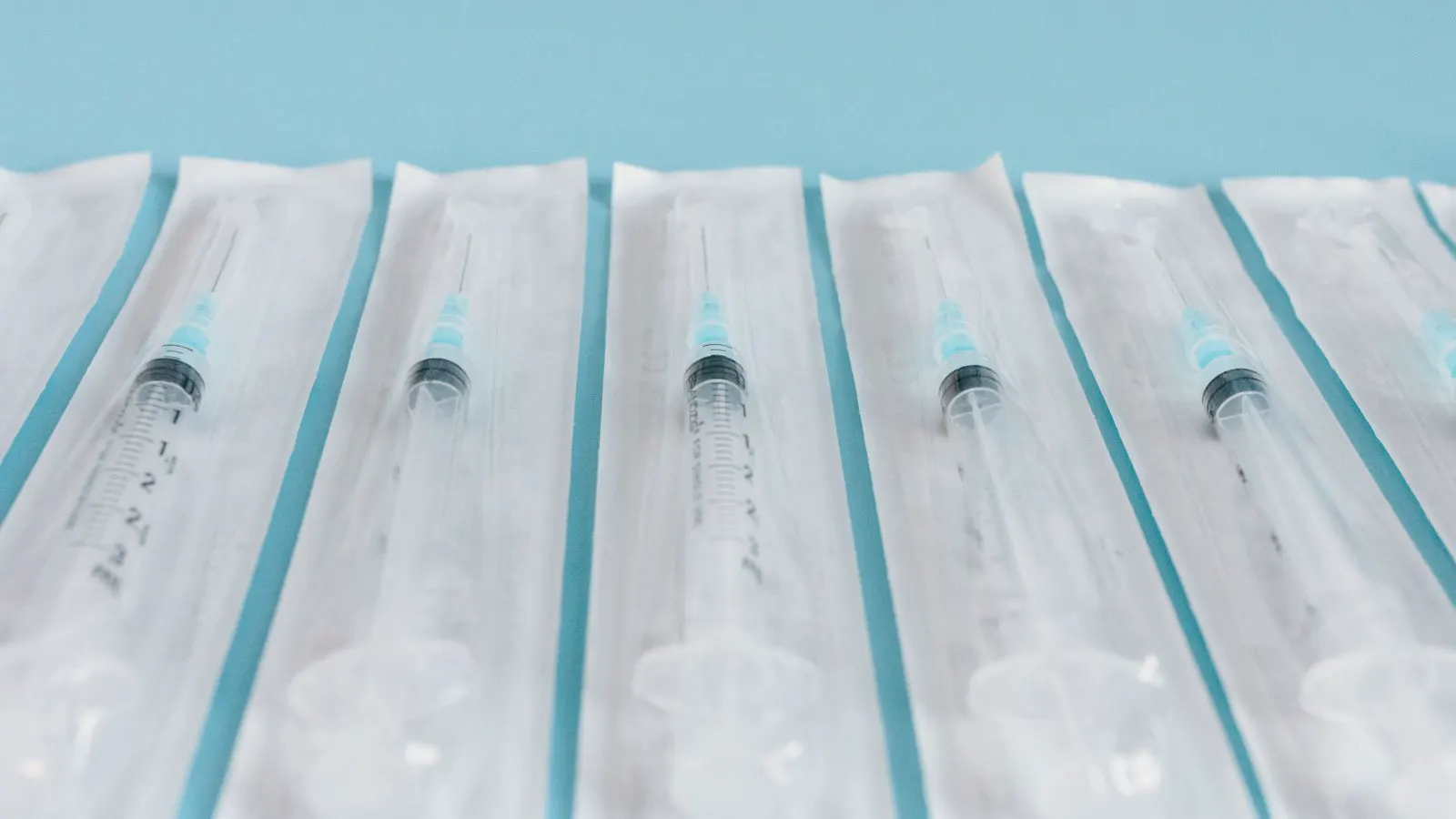
Sterile wrapping is a barrier system that keeps consumables sterile through storage and use. It combines a porous film or paper with a seal to block microorganisms while allowing sterilant gases to pass. Sourcing decisions depend on the wrap's breathability, seal integrity, and compatibility with the sterilization method.
- Sterile wrapping is a barrier, not a seal that blocks all air. It must let sterilant through while keeping microbes out.
- The wrap's breathability and seal quality determine whether the sterile barrier system works after sterilization.
- Sourcing choices depend on the wrap's material, porosity, and compatibility with the sterilization method used.
- A failed wrap means the consumable is not sterile, regardless of how clean the production line is.
- Validation checks confirm the barrier holds under transport and storage conditions, not just in the sterilization chamber.
A sterile wrap is not a box. It is a barrier system that protects a consumable from the moment it leaves the sterilizer to the moment a clinician opens it. The wrap must do two conflicting jobs at once. It must let sterilant in during processing. It must keep microorganisms out during storage and transport.
What “sterile wrapping” actually means
Sterile wrapping refers to the outer layer of a sterile barrier system. It is usually a porous film, a woven paper, or a combination of both. The wrap is sealed around the product to create a closed space. That space is what you are buying. You are not buying the consumable alone. You are buying the consumable plus the barrier that keeps it sterile.
The term “wrapping” is often used loosely. In practice, it covers any outer material that forms the sterile barrier. It includes paper wraps, film wraps, and hybrid wraps. It does not include the tray or cassette. Those are secondary containers. The wrap is the part that defines the barrier.
This distinction matters for sourcing. If you order a sterile tray, you are buying a secondary container. If you order a sterile wrap, you are buying the barrier itself. The wrap is the first line of defense against contamination.
How the barrier works
The barrier works on two levels. The first level is physical. The wrap seals the product in a closed space. That space excludes air and surface contamination. The second level is biological. The wrap’s material structure allows gas molecules to pass through but blocks larger microorganisms.
Most sterile wraps are made of paper or film with controlled porosity. The pores are small enough to stop bacteria, fungi, and spores. They are large enough to let ethylene oxide or hydrogen peroxide vapor through during sterilization. After the sterilant is removed, the wrap remains closed. The product inside stays sterile because no new microorganisms can enter.
The seal is the second part of the barrier. The wrap is typically heat-sealed, pressure-sealed, or adhesive-sealed. The seal must be continuous. A single pinhole or a broken heat-seal line can compromise the entire barrier. That is why seal integrity is a core part of wrap validation.
What the wrap must do after sterilization
A wrap that works in the sterilizer may fail in the warehouse. The wrap must survive transport, handling, and storage. It must resist moisture, abrasion, and mechanical stress. It must not degrade in a way that creates new pathways for microbes.
Moisture is a common failure point. If a wrap absorbs water, the seal can weaken. The paper can become soft and tear more easily. The film can delaminate. If the barrier weakens, the product is no longer sterile.
Abrasion is another factor. Wraps are handled by people and machines. Edges catch. Corners fold. If the wrap is too thin or too stiff, it can crack. That crack becomes an entry point for microorganisms.
The wrap also needs to stay readable. A sterile wrap is often labeled with lot numbers, expiry dates, and sterilization indicators. If the label peels or fades, the user cannot confirm the product is sterile. That is a practical failure, even if the barrier is still technically intact.
How wrap choice affects sourcing
When you source a sterile wrap, you are choosing a material and a process. The material determines breathability. The process determines seal quality. These two factors interact.
A more porous wrap lets sterilant through faster. That can shorten cycle times. But a more porous wrap also lets more microorganisms in if the seal is not perfect. A less porous wrap holds a better barrier. But it may require a longer sterilization cycle to let the sterilant penetrate.
The seal process matters as much as the material. A heat-seal requires the right temperature and pressure. If the seal is too hot, the film melts. If it is too cool, the seal does not bond. The wrap manufacturer must control these variables. You, as the buyer, must verify that the seal holds under your storage conditions.
This is where the barrier concept becomes a sourcing decision. You are not just picking a wrap that looks good. You are picking a wrap that will perform under your specific sterilization method, transport route, and storage environment.
A worked example
Imagine you are sourcing a sterile surgical glove. The glove is made of nitrile. It is placed in a paper-film wrap. The wrap is heat-sealed on three sides. The top side is left open during sealing so the seal can be made in one pass. After sealing, the package goes into a sterilization chamber.
Ethylene oxide gas fills the chamber. The gas passes through the porous film and paper. It reaches the glove inside. After a set time, the gas is removed. The wrap is still sealed. The glove is sterile.
Now the package moves to a warehouse. It sits on a shelf for three months. A forklift bumps the shelf. The package shifts. A corner of the wrap catches on a shelf edge. The wrap tears slightly. The seal was already at the limit. The tear creates a path.
A single microorganism can enter that path. Once inside, the glove is no longer sterile. The wrap failed. The sterilization process was fine. The production line was clean. The barrier broke.
This example shows why the wrap is the critical part of the sterile barrier system. The product inside is only as sterile as the wrap around it.
How to evaluate a wrap
When you evaluate a sterile wrap, look at three things. Material, seal, and performance.
Material determines breathability and tear strength. Ask the supplier for the film thickness, the paper basis weight, and the porosity rating. These numbers tell you how the wrap will behave. A thicker film is stronger but less breathable. A lighter paper is softer but more prone to tearing.
Seal determines closure integrity. Ask how the seal is made. Ask what temperature and pressure are used. Ask whether the seal is tested on every package or only on a sample. Every package is better. A sample test is faster but less reliable.
Performance determines whether the wrap survives your conditions. Ask the supplier to test the wrap under your transport and storage conditions. Ask about humidity exposure. Ask about drop tests. Ask about seal retention after aging.
A good wrap supplier will provide data on these points. A weak supplier will give you a brochure. The brochure is not a substitute for test data.
Common failures and how to catch them
The most common failure is a broken seal. The second is moisture damage. The third is abrasion. The fourth is a wrap that does not let sterilant through fast enough.
A broken seal can be caught by a vacuum test or a dye test. A vacuum test checks for leaks. A dye test checks for contamination. Both are cheap. Both should be part of your receiving process.
Moisture damage is harder to catch. It develops slowly. You will not see it on day one. You will see it on month three. That is why you need storage monitoring. A data logger in the warehouse will tell you if humidity spikes. A spike can weaken a wrap seal.
Abrasion is a handling problem. It starts with a rough shelf edge or a poorly designed pallet. You can fix it by adding edge guards to shelves and by changing how packages are stacked. The wrap is not weak. The environment is too harsh.
A wrap that does not let sterilant through fast enough will cause a long sterilization cycle. That is a cost problem. It is also a risk problem. A long cycle means the wrap is exposed to sterilant for longer. That can degrade the film. It can weaken the seal. It can cause the paper to yellow.
What to ask your supplier
When you talk to a wrap supplier, ask five questions.
- What is the porosity of the wrap, and how does it affect sterilant transmission?
- How is the seal made, and what is the seal strength?
- What are the recommended storage conditions?
- What test data do you have on seal retention over time?
- What happens if the wrap is exposed to humidity above a certain level?
These questions are not about price. They are about performance. A cheaper wrap that fails in your warehouse costs more than a pricier wrap that holds. A cheap seal that leaks costs more than a strong seal that lasts.
The wrap is the barrier. The barrier is the mechanism. The mechanism is what keeps the product sterile. If the mechanism fails, the product is not sterile. That is the whole point.
How this connects to the rest of the system
The wrap is one part of a larger system. It sits on top of a clean production line. It sits inside a validated sterilization process. It sits under a storage and transport plan. If any part of that system fails, the wrap can be the thing that shows it.
A dirty glove will not pass a sterile wrap. A long sterilization cycle will not save a weak seal. A hot warehouse will not be fixed by a good wrap. The wrap is the visible part of the barrier. It is where you see the system work or fail.
When you source a wrap, you are not just buying a piece of paper or plastic. You are buying a mechanism. That mechanism has to do a job. It has to keep the product sterile. It has to survive the conditions you put it in. If it does not, the product is not sterile.
The sterile wrap is the barrier. The barrier is the mechanism. The mechanism is the reason the consumable is sterile. Get it right, and the rest of the system works. Get it wrong, and nothing else matters.
Frequently asked questions
What is the main function of sterile wrapping?
Sterile wrapping creates a closed barrier that blocks microorganisms while allowing sterilant to pass through during processing. It keeps the product sterile from the sterilizer to the point of use.
Can a sterile wrap be reused?
No. A sterile wrap is a single-use barrier. Once it is opened or damaged, the sterile barrier is compromised. The product inside is no longer sterile.
How do I know if a wrap seal is intact?
Check for visible tears, wrinkles, or discoloration. A vacuum test or dye test can confirm integrity. If the seal looks wrong, treat the package as non-sterile.
What happens if a wrap is exposed to high humidity?
The seal can weaken. The paper can soften. The film can delaminate. Any of these changes can create a path for microorganisms. Store wraps in controlled humidity.
Why is porosity important when choosing a wrap?
Porosity controls how fast sterilant enters the package. Too high and the barrier is weak. Too low and the sterilization cycle is long. The right porosity balances speed and protection.