Pricing & MOQ
Troubleshooting: Why Supplier Quotes Include Hidden Compliance Fees
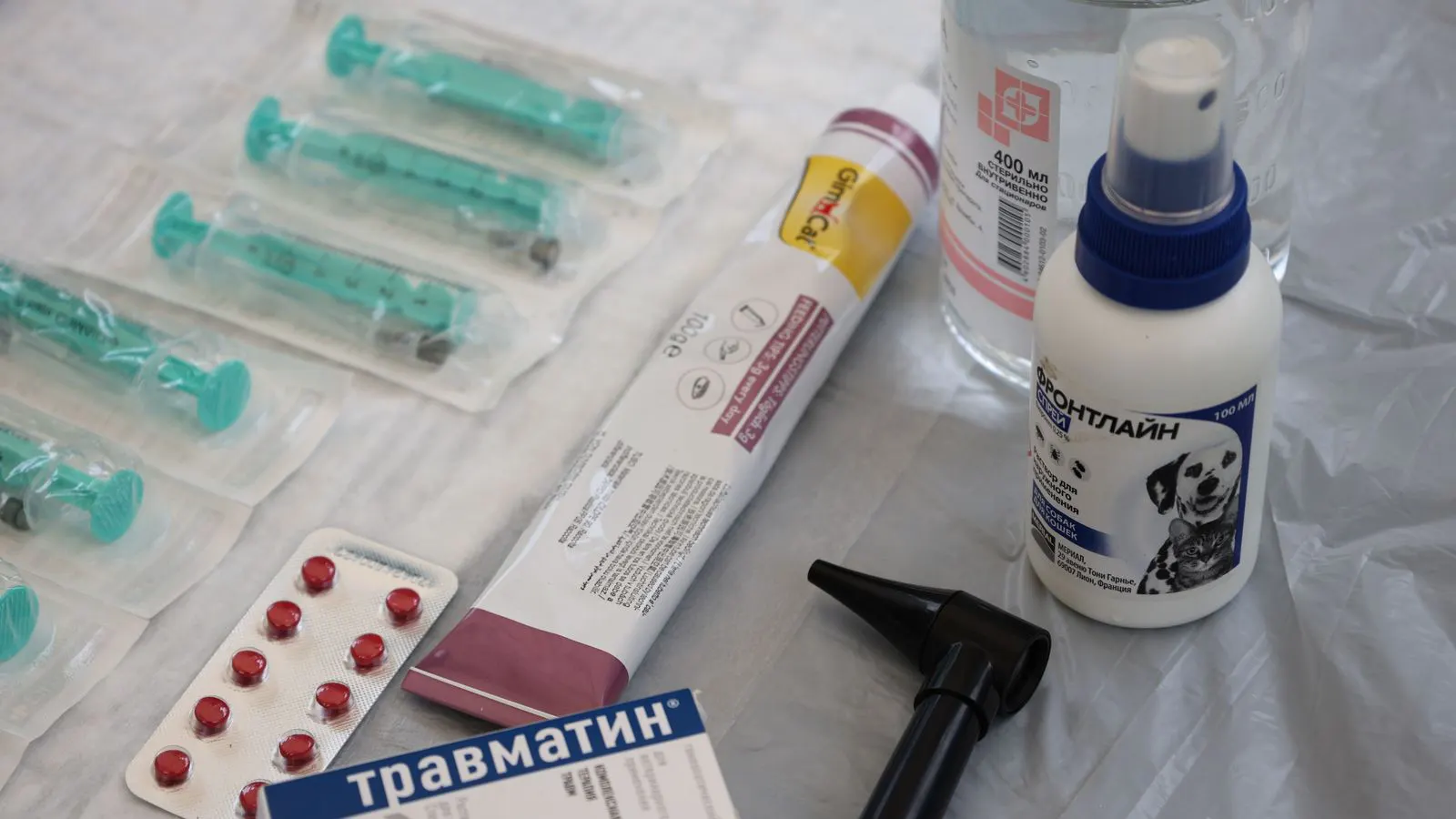
Hidden fees in supplier quotes usually cover regulatory filings, certification audits, and specific testing. Buyers can avoid these costs by requesting a full cost
Practical sourcing guides for medical consumables buyers

Buyers in medical consumables face a dense decision set. They must match material grades, biocompatibility, sterilization methods, packaging integrity, and regional certification requirements before placing an order. This site breaks down those variables into clear, comparable information.
The content focuses on the practical side of sourcing. It covers how to read technical data sheets, verify certificates of conformity, evaluate minimum order quantities, and assess supplier reliability. Each article gives you the specific checks and questions you need to ask during qualification and procurement.
Start with the stage of the sourcing process you are in.
Compare nitrile, latex, and disposable surgical gloves and masks by fit, material, and barrier protection.
Find guidance on syringe types, needle gauges, and compatibility for routine and specialized medical use.
Explore wound care options such as gauze, hydrocolloid dressings, and adhesive bandages for different injury needs.
Understand sterilization methods and packaging standards that help protect medical consumables during storage and distribution.
Review common certification and labeling requirements buyers should check when sourcing medical consumables for regulated markets.
See how pricing and minimum order quantities vary across medical consumables to support budgeting and sourcing decisions.
Learn how to evaluate suppliers by quality control, lead time, documentation, and communication for reliable sourcing.
Hidden fees in supplier quotes usually cover regulatory filings, certification audits, and specific testing. Buyers can avoid these costs by requesting a full cost

Freight costs directly alter the final price of medical consumables by changing the landed cost calculation. Importers must account for shipping volatility, fuel

FDA 510(k) clearance costs and lead times vary by device complexity. Buyers should budget for regulatory services, testing, and potential design changes. A clear RFQ
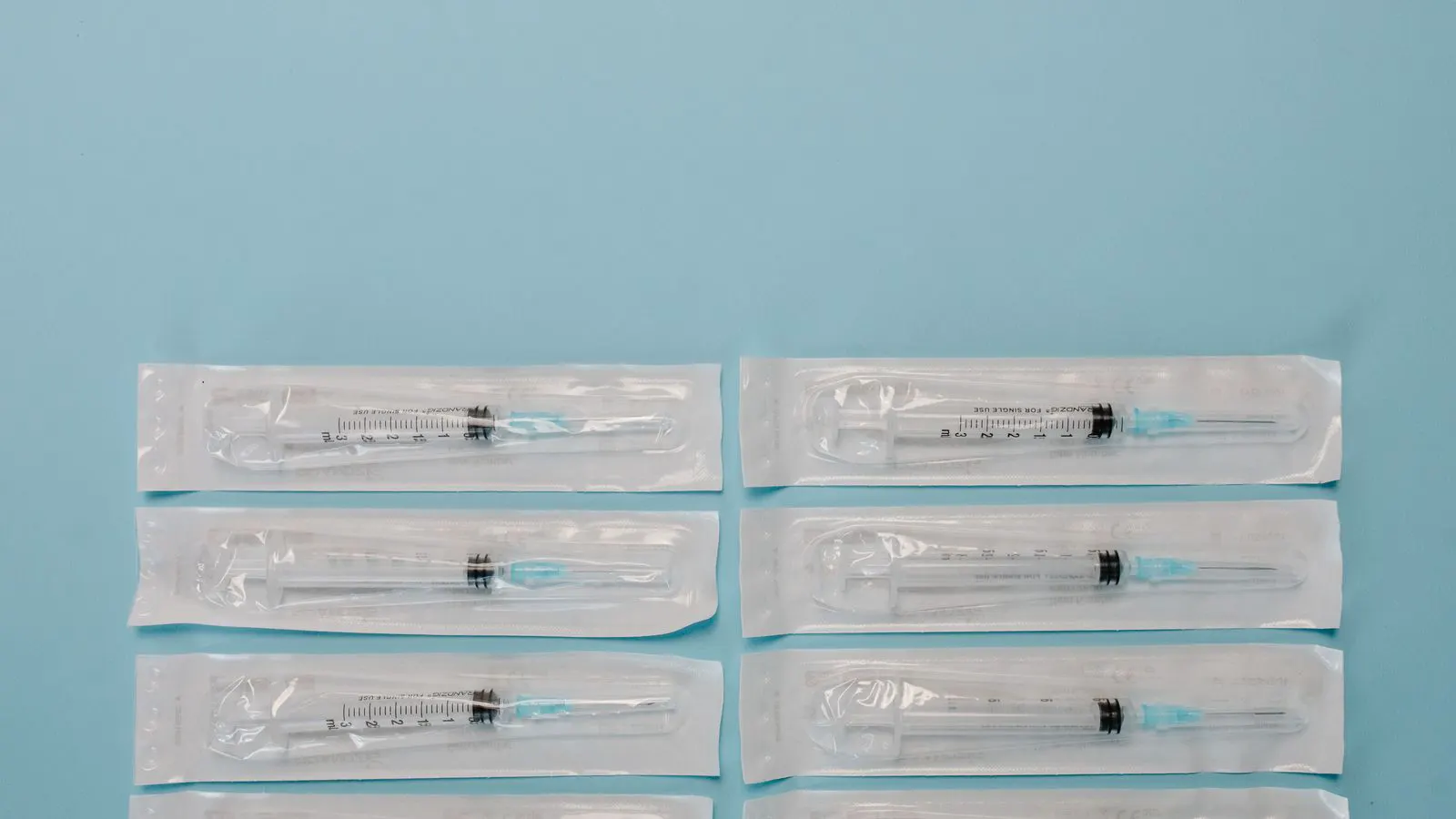
Tyvek and PET film serve different roles in medical packaging. Tyvek offers puncture resistance and breathability, while PET provides strong moisture and particulate
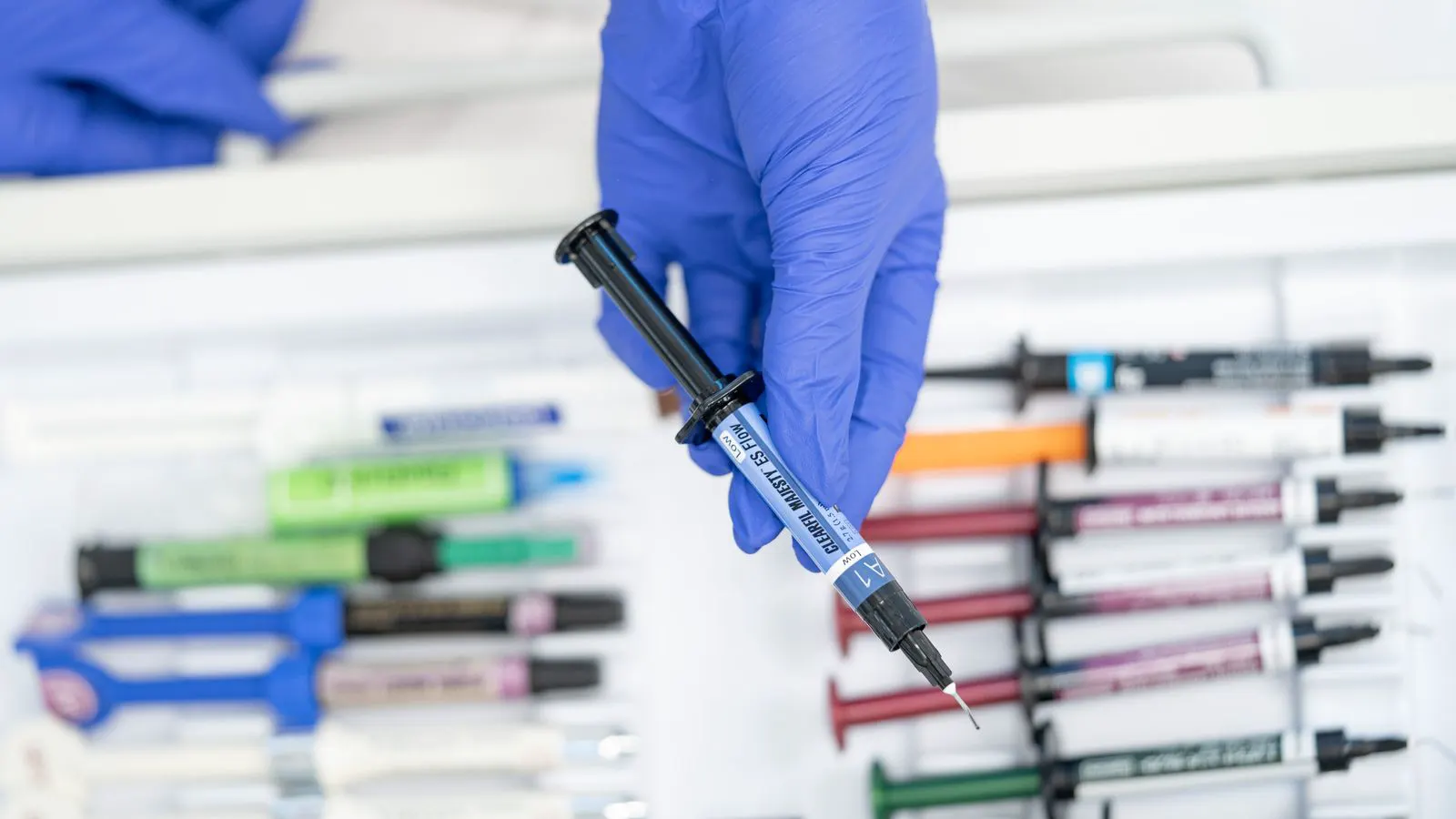
High-volume syringe selection requires balancing mechanical compatibility, material durability, and packaging integrity. This guide outlines specific criteria for
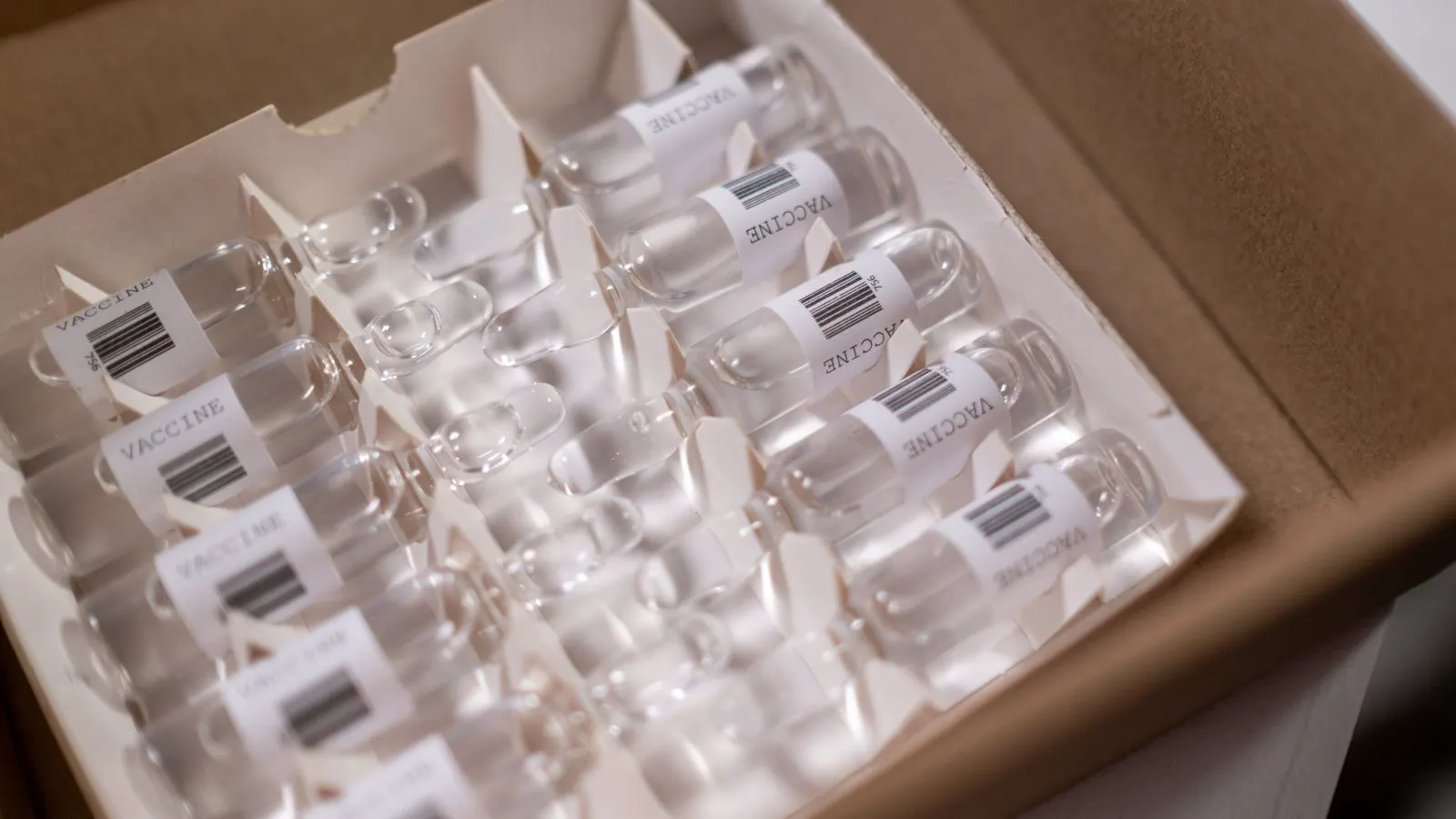
CE marking confirms a medical consumable meets EU safety and performance rules. It signals legal access to the European market. Importers must verify the mark, technical
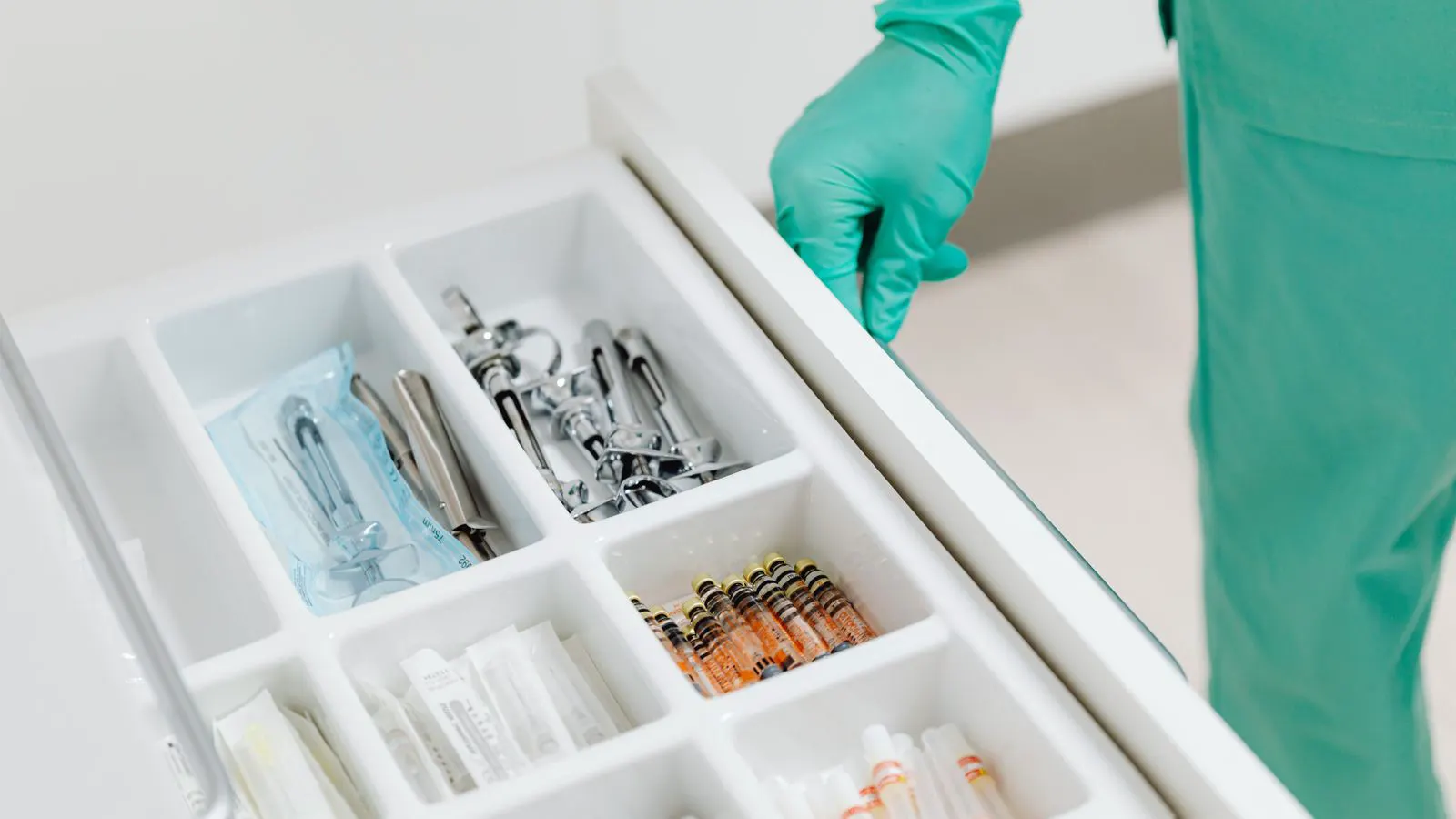
Leaking sterile wrapping often traces to seal failures, punctures, or incorrect material handling. This guide lists common symptoms, likely causes, and practical fixes

Prepare medical consumables for import compliance by aligning product design with regional standards, compiling technical documentation, and verifying labeling. This
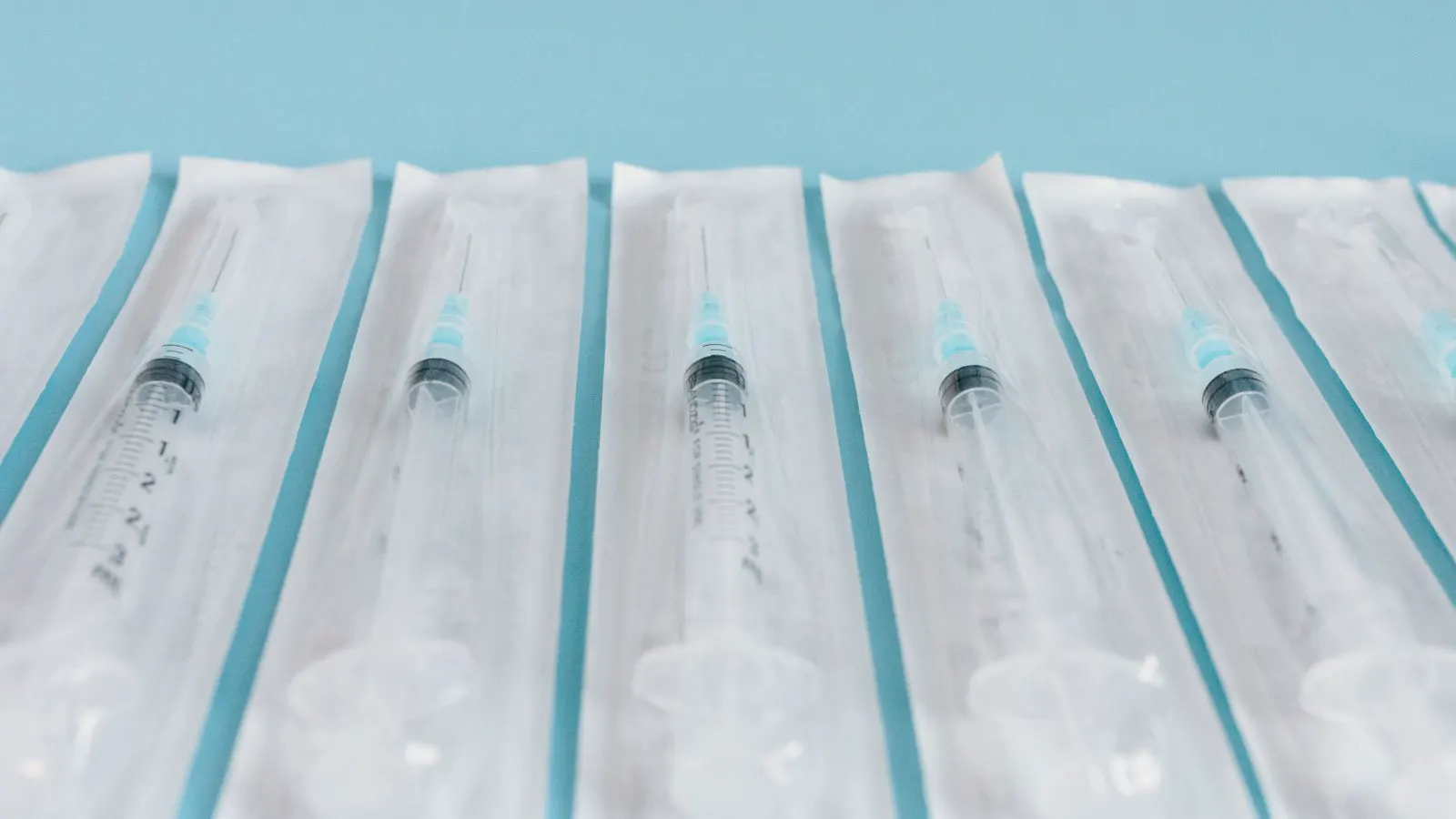
Sterile wrapping is a barrier system that keeps consumables sterile through storage and use. It combines a porous film or paper with a seal to block microorganisms while
Surgical gloves are typically made from latex or nitrile with a thin, uncoated or lightly coated surface for tactile sensitivity. Medical examination gloves are often thicker and may feature textured surfaces or a heavy powder for grip. Check the intended use and barrier requirements before specifying.
Ask for the certificate number and the issuing registrar. Verify the certificate status directly with the registrar's website. Confirm the scope of certification covers the specific product category, not just the supplier's general facility.
MOQs vary widely by product type, material, and customization. Standard items like unbranded syringes may have lower MOQs than custom-branded packaging or specialized wound dressings. Request a quote sheet that lists MOQs and lead times clearly.
Request the ISO 10993-1 test report or a summary of biocompatibility testing. Confirm the specific tests performed, such as cytotoxicity, sensitization, and irritation. Ensure the test lot matches the production lot or that re-testing is required after material changes.
Request a Certificate of Conformance that states the sterilization method, dose, and validation data. Confirm the method is appropriate for the material, such as gamma irradiation for nitrile or ethylene oxide for heat-sensitive items. Verify that the certificate is issued by the manufacturer, not a third-party reseller.
Ask for a production schedule and a buffer for quality control and regulatory paperwork. Factor in shipping, customs, and storage. If you have multiple suppliers, stagger orders to mitigate risk. Request a written SLA that defines delivery dates and penalties for delays.