
Syringes & Needles
Explainer: Needle Gauge Numbers and Internal Diameter Standards
Needle gauge numbers are an inverse measure of physical size. Lower gauge numbers indicate larger internal diameters and higher flow rates. Understanding this
Find guidance on syringe types, needle gauges, and compatibility for routine and specialized medical use.
Needle gauge numbers are an inverse measure of physical size. Lower gauge numbers indicate larger internal diameters and higher flow rates. Understanding this

High-volume syringe selection requires balancing mechanical compatibility, material durability, and packaging integrity. This guide outlines specific criteria for

Puncture-resistant needles are evolving to balance safety and ergonomics, while sustainable packaging addresses waste and regulatory pressure. Procurement teams should

Single use syringes lower reprocessing logistics but increase procurement costs, while reusable units cut per-unit spend if reprocessing capacity exists. Supply chain

Luer Lock uses a friction-based threaded collar, while Luer Slim is a smooth, tapered sleeve. Luer lock compatibility depends on matching the male and female connector
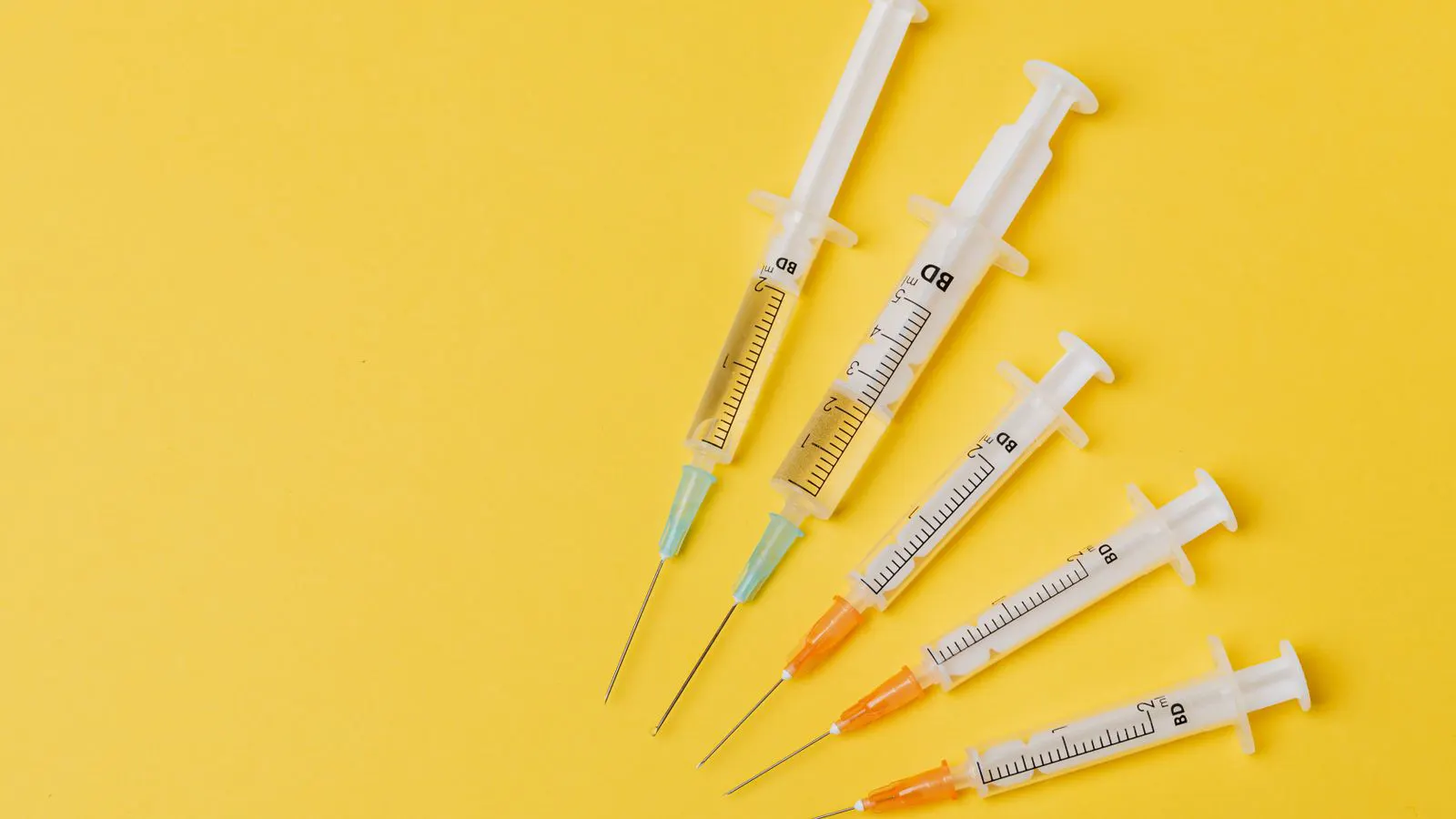
A syringe procurement checklist confirms sterility assurance, batch codes, and packaging integrity before release. It covers lot traceability, expiration dates, and
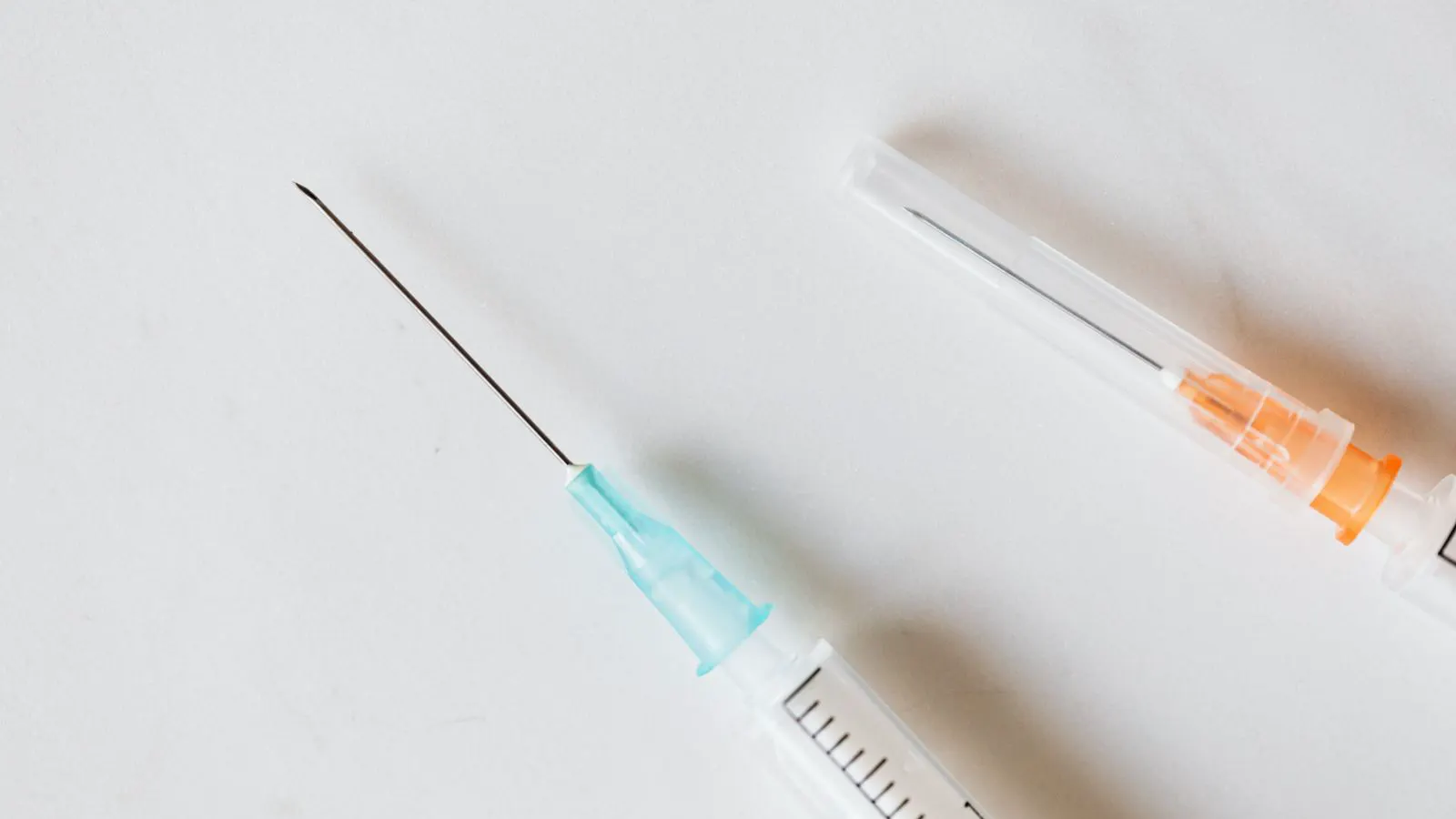
Needle gauge selection for viscous formulations requires balancing flow resistance against needle wall thickness. Thicker liquids demand larger bore needles to reduce

Syringe leaking typically traces to a damaged piston seal, a loose or misaligned luer lock, or contamination in the barrel. This guide outlines how to identify these