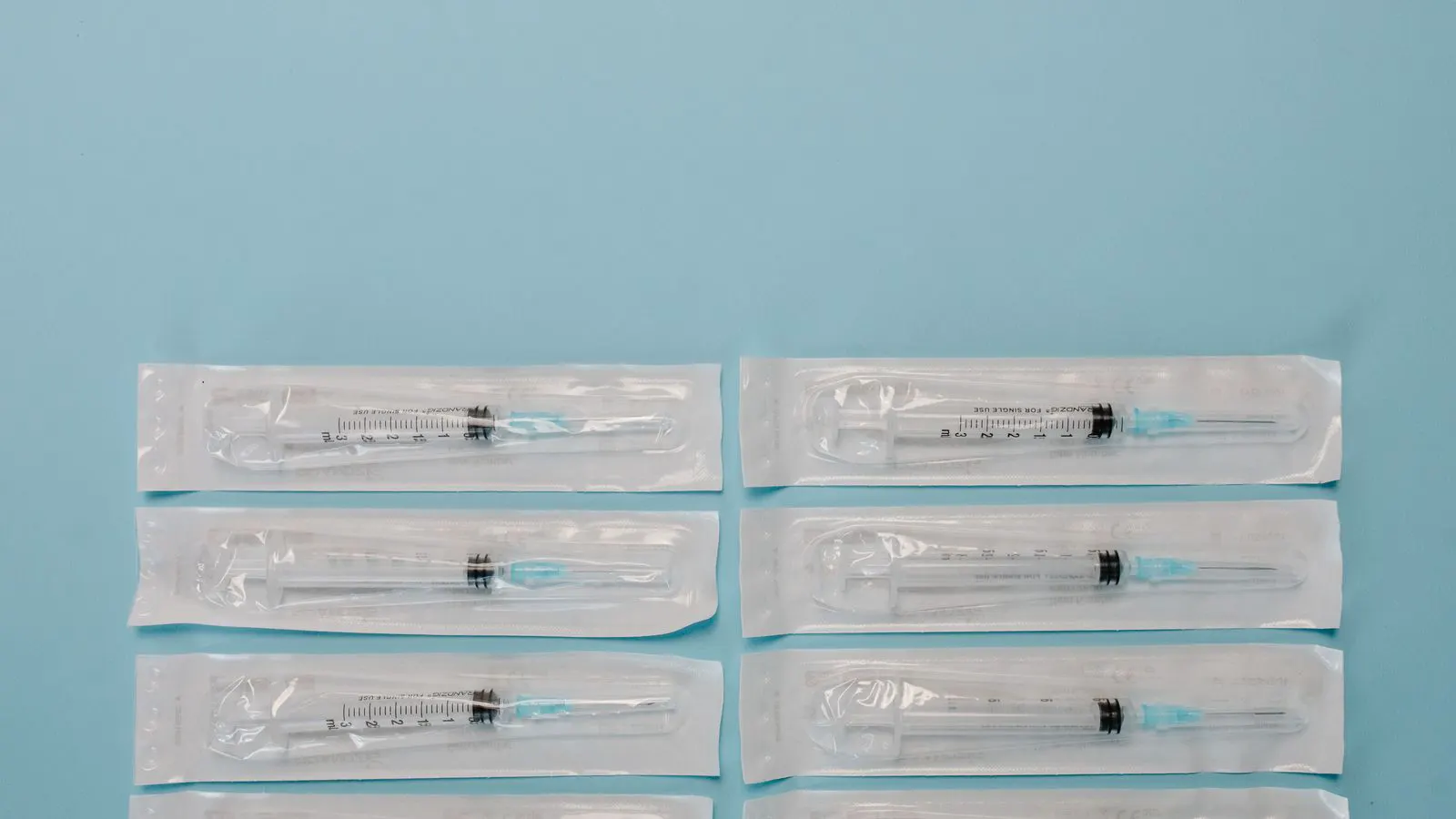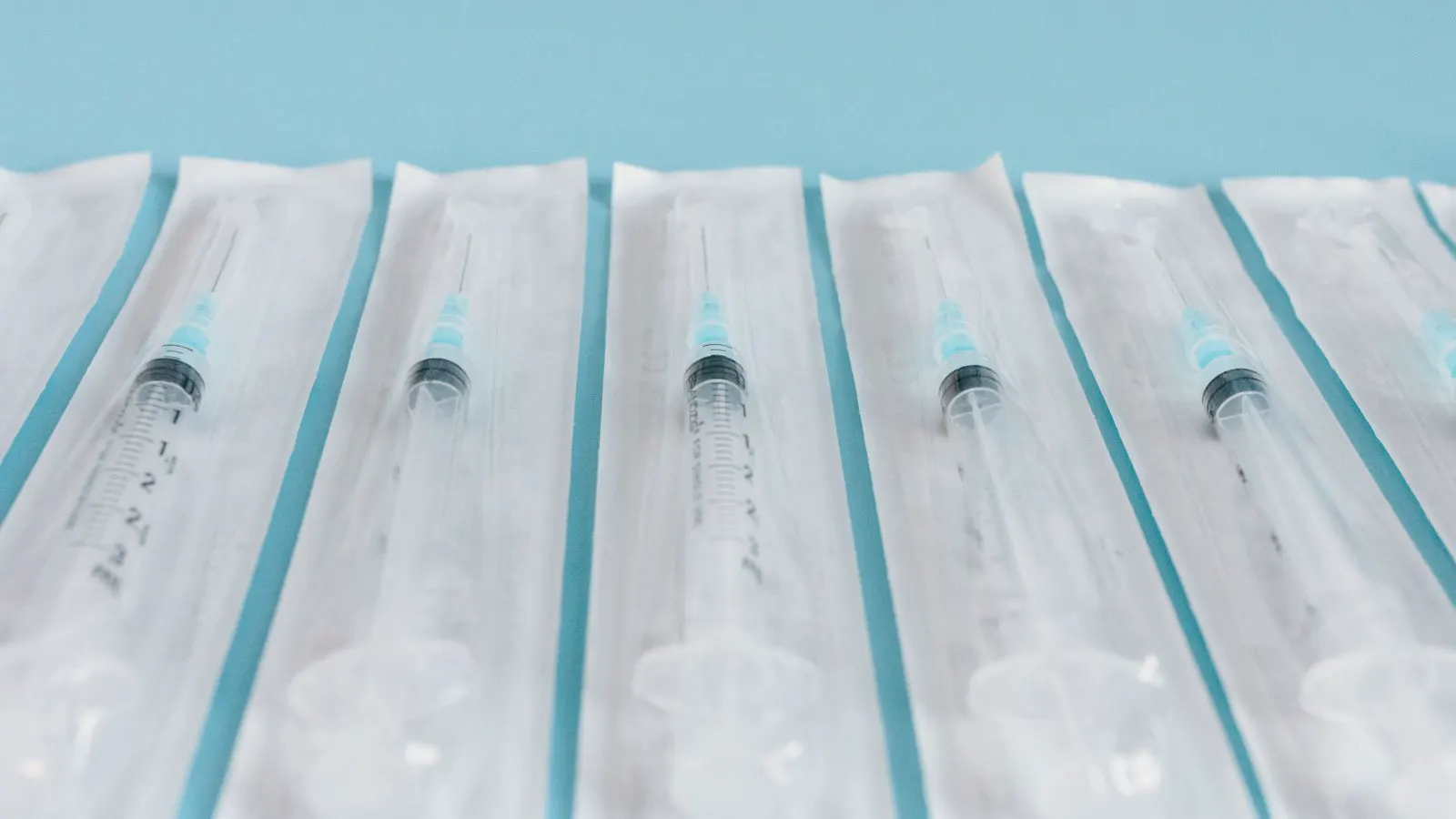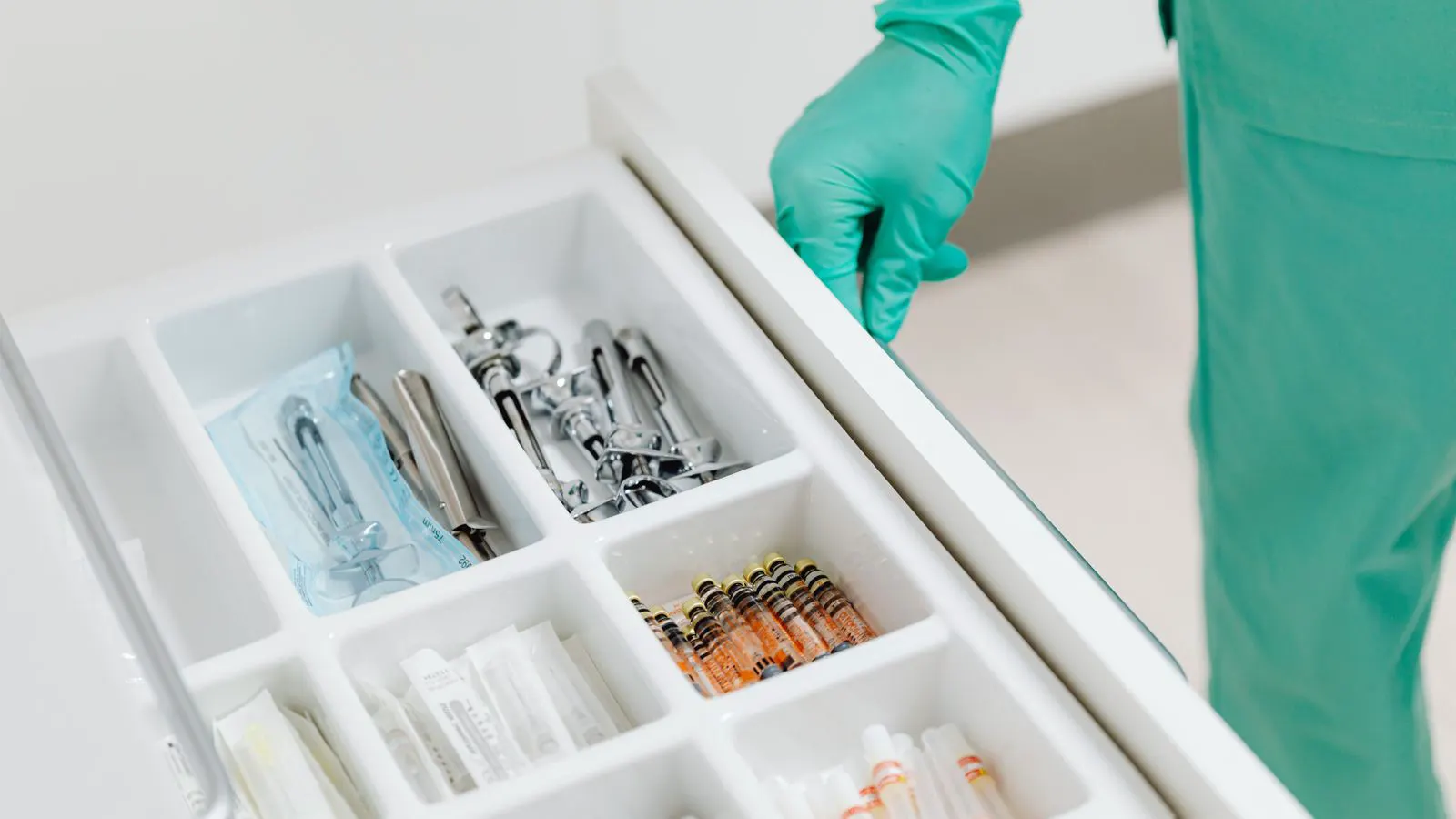
Leaking sterile wrapping often traces to seal failures, punctures, or incorrect material handling. This guide lists common symptoms, likely causes, and practical fixes to restore barrier integrity and prevent sterility compromise.
- Most seal failures stem from moisture, particulate contamination, or incorrect heat and pressure settings during sealing.
- A single pinhole can compromise an entire pouch, so visual and physical checks are necessary before release.
- Tracking defects by batch and equipment helps isolate root causes faster than treating each incident in isolation.
- Correct storage conditions, including humidity control and avoiding sharp edges, reduce post-sterilization leak risk.
- Documenting each failure with photos and lot numbers creates a record that supports corrective action and supplier audits.
What does a leaking sterile pouch actually look like?
A leak is not always a visible tear. In practice, a compromised sterile wrapping may appear as a soft spot along the seal line, a faint white haze on the film, a crinkled area that does not flatten when pressed, or a small pinhole near a corner. Sometimes the pouch looks normal but the seal has partially detached, leaving a thin channel where air can move. When you squeeze the pouch along the seal, you should feel a firm, continuous line. If you feel a gap, a soft pocket, or a crackle sound, the barrier is suspect.
These defects matter because they can allow microorganisms into the sterile field after processing. A single puncture in a wrap that covers a surgical instrument can invalidate the entire load.
Which symptoms indicate a seal failure rather than a container issue?
| Symptom | Likely cause | What to do |
|---|---|---|
| Soft or puffed area along the seal line | Incomplete seal due to low heat, low pressure, or moisture in the material | Re-seal the pouch with a calibrated sealer. If the film is damaged, replace the pouch and record the batch. |
| Small pinhole near a corner or fold | Sharp edge, needle puncture, or debris trapped during sealing | Inspect the pouch with a magnifying lamp. Replace the pouch if the hole is visible. Review handling steps that involve metal edges. |
| White haze or cloudy spot on the film | Chemical residue, moisture, or heat damage during sealing | Wipe the area with an approved cleaner before re-sealing. If the haze remains, discard the pouch and check the cleaner compatibility. |
| Seal that lifts at one end but holds at the other | Uneven pressure or a fold in the film during sealing | Open the pouch only if it is still within the sterile barrier process. Re-fold the film flat and re-seal. Record the event. |
| Pouch feels wet or damp after drying | Excess moisture carried through the sterilizer or stored in a humid area | Dry the pouch under controlled conditions before resealing. If the material is saturated, replace it and review sterilization cycle parameters. |
| Crinkled or wrinkled film that does not flatten | Film tension too high, incorrect pouch size, or damaged roll | Use a pouch size that matches the load. Check the roll for creases and replace damaged rolls. |
What are the most common causes of sterile wrapping leaks?
Moisture is the leading cause. Even a thin film of condensation on the film or between the pouch layers prevents a proper seal. This happens after steam exposure, in high-humidity storage rooms, or when a pouch is opened and resealed without drying.
Particulate contamination is the second most common issue. Dust, lint, or small fibers trapped under the seal create an air gap. The seal may look fine at first, but the gap allows air movement. Over time, that gap becomes a leak.
Third, equipment settings drift. Heat, pressure, and time must stay within the validated range. If the sealer thermostat drifts, or if the pressure pad wears, the seal weakens without obvious warning. A sealer that worked yesterday may produce marginal seals today.
Fourth, handling stress. Dropping a pouch onto a hard floor, pulling a corner too sharply, or storing it against a metal edge can create micro-tears. These are small, but they compromise the barrier.
Fifth, material mismatch. Some pouches are designed for a specific sterilization method and film thickness. Using a pouch that is too thin, too thick, or not rated for the cycle can cause seal failure.
How do you inspect a pouch for leaks without damaging it?
Start with a clean, well-lit surface. A magnifying lamp or a strong white light helps. Hold the pouch flat and look along the seal line from both ends. You are looking for color changes, haze, softness, or lifted edges.
Next, press the pouch along the seal with a flat fingertip or a smooth plastic tool. Do not use a needle or a sharp object. You should feel a firm, continuous seal. If you feel a gap, a soft pocket, or a crackle, stop and mark the pouch.
For a more thorough check, place the pouch on a clean tray and apply light air pressure through the seal. If you hear a hiss or see the film move, the seal is not intact. This method works best on pouches that have not been opened.
If the pouch is part of a multi-layer wrap, check the outer layer first. If the outer seal is good, inspect the inner layer only if the process allows. Do not open a sealed pouch unless you are in a controlled sterile area.
What should you do when you find a leak?
Stop using the pouch immediately. Remove it from the line and place it in a quarantine area. Do not return it to stock until it is assessed.
Photograph the defect with a scale reference, such as a coin or a ruler. Record the date, time, batch number, lot number, sterilizer ID, and operator name. This information is critical for traceability.
If the leak is minor and the pouch can be resealed under controlled conditions, follow your site procedure. Wipe the area, dry it, and re-seal with a calibrated sealer. If the leak is major, or if the film is damaged, discard the pouch and replace it.
Log the event in your quality control system. Even a single leak can indicate a bigger problem. If you see three leaks in the same batch, stop the line and review the process.
How can you prevent leaks before they happen?
Prevention starts with material control. Store pouches and wraps in a dry, clean area away from direct sunlight and heat. Keep humidity below the level specified by the supplier. If you use rolls, check them for creases, tears, or discoloration before unrolling them.
Control the environment. A sealed room with a dehumidifier reduces condensation. Keep the work area clean and free of lint. Use clean gloves when handling pouches. Avoid touching the seal area with bare hands or dirty tools.
Check equipment regularly. Calibrate the sealer at least monthly, or more often if you process high volumes. Inspect the pressure pad for wear. Clean the seal jaws with an approved cleaner. Keep spare parts on hand.
Train your team. Operators should know what a good seal looks like and feels like. They should know when to stop and call a supervisor. A quick five-minute refresher every quarter keeps standards high.
Use the right pouch. Match the pouch size and material to the load and the sterilization method. Do not stretch a pouch to fit a larger item. Do not use a pouch that is too small. Fit matters.
How do you document defects for quality control?
Create a simple defect log. Use a table with columns for date, batch, symptom, cause, action, and follow-up. Take a photo of each defect. Attach the photo to the log entry.
Review the log weekly. Look for patterns. Are all leaks in the same batch? Are they all on the same machine? Are they all near the corners? Patterns are your best clue.
If a supplier is involved, share the log and photos with them. Ask for a corrective action report. Keep the report on file.
If a defect repeats, escalate it. A single leak is an event. Repeated leaks are a system problem. Address the root cause, not just the symptom.
What records should you keep after a leak?
Keep the quarantine pouch if it is safe to do so. If the pouch is discarded, keep the photo. Keep the defect log entry. Keep the calibration records for the sealer used. Keep the sterilization cycle records for the batch.
These records support your quality control system and help with audits. They also help you prove that you responded correctly to a defect.
Keep records for at least the shelf life of the product, or longer if required by your site policy. A leak that appears months later can still trace back to a packaging failure that was not caught at release.
When should you contact the supplier?
Contact the supplier if the leak is likely a material defect. This includes film tears, seal failure that occurs even with correct sealer settings, or discoloration that appears after sterilization.
Send the supplier a sample photo, the batch number, and a short description of the defect. Ask for a corrective action report. Follow up if you do not receive a response within a reasonable time.
If the supplier confirms a material defect, request a replacement batch. Do not return the affected pouches unless instructed. Quarantine them until the supplier gives you a disposition.
What is the difference between a seal failure and a puncture?
A seal failure means the adhesive or heat bond did not form properly. The film is intact, but the edge is not joined. A puncture is a hole in the film. The seal may be perfect, but the hole allows air movement.
Seal failures are often easier to fix if the film is clean and dry. Punctures are usually not fixable without replacing the pouch. A puncture can be caused by a sharp edge, a needle, or a piece of debris. A seal failure is usually caused by moisture, contamination, or equipment settings.
When you inspect a pouch, distinguish between the two. If the seal is intact but you feel a hole, treat it as a puncture. If the seal is soft or lifted but the film is intact, treat it as a seal failure.
How do you handle a leak found after sterilization?
If you find a leak after sterilization, do not use the product. Remove it from the line and quarantine it. Record the event.
If the leak is minor and the product is still within the sterile barrier process, you may be able to re-seal it under controlled conditions. If the leak is major, or if the product has been exposed to a non-sterile environment, discard it.
Review the sterilization cycle. If the leak occurred during the cycle, the cycle parameters may need adjustment. If the leak occurred after the cycle, the handling or storage conditions may need adjustment.
Log the event and review the log weekly. Look for patterns.
What are the signs of a recurring leak problem?
A recurring leak problem shows up in several ways. You see the same symptom in different batches. You see the same defect on the same machine. You see leaks only after a specific sterilization cycle. You see leaks only in a specific storage area.
When you see a pattern, stop and investigate. Review the defect log. Check the equipment. Review the process. Talk to your team.
A recurring problem is a signal. It means something in the system is not working. Fix the system, not just the pouch.
How do you improve your sterile wrapping process?
Start with a baseline. Measure the defect rate for one month. Record each leak with a photo and a description. Identify the most common cause.
Then make one change at a time. If moisture is the cause, improve drying. If contamination is the cause, improve cleaning. If equipment is the cause, recalibrate the sealer.
Measure again after the change. If the defect rate drops, keep the change. If it does not drop, try another change.
Keep a record of each change and the result. This creates a body of knowledge that helps your team improve over time.
What is the role of quality control in preventing leaks?
Quality control is the system that catches problems before they reach the customer. It includes incoming inspection of materials, in-process checks during sealing, and final release checks before shipment.
Incoming inspection means checking the pouches for defects before you use them. In-process checks mean monitoring the sealer settings and the seal appearance during production. Final release checks mean inspecting a sample of pouches before they leave the facility.
If you skip any of these steps, you increase the risk of a leak. Quality control is not a burden. It is the system that keeps your sterile products sterile.
What should your pre-shipment checklist include?
Before shipment, check the following:
- Pouch seal integrity: no soft spots, no lifted edges, no pinholes.
- Film condition: no tears, no discoloration, no haze.
- Label accuracy: batch number, lot number, expiration date, and product name are correct.
- Packaging: pouches are not crushed, not exposed to moisture, and not stored against sharp edges.
- Documentation: defect log, calibration records, and sterilization cycle records are complete and available.
If any of these checks fail, do not ship. Hold the batch and resolve the issue.
What are common mistakes that cause leaks?
The most common mistake is rushing the seal. If you load the pouch too quickly, the film may not lie flat. The seal may be uneven.
The second mistake is using a dirty sealer. Dust or residue on the seal jaws prevents a proper bond.
The third mistake is ignoring a small defect. A small pinhole may seem harmless, but it can grow into a larger leak over time.
The fourth mistake is not recording defects. If you do not log the defect, you cannot find the pattern. If you cannot find the pattern, you cannot fix the root cause.
The fifth mistake is using the wrong pouch. If the pouch is too thin, too thick, or not rated for the sterilization method, the seal may fail.
How do you train your team on sterile wrapping?
Training should be hands-on. Show your team what a good seal looks like and feels like. Let them practice on scrap pouches. Teach them how to inspect a pouch for leaks. Teach them how to log a defect.
Use real examples. Show them photos of leaks you have found. Explain the cause and the fix. Let them ask questions.
Refresh training every quarter. Even experienced operators can develop bad habits. A quick refresher keeps standards high.
What is the difference between a leak and a defect?
A leak is a functional failure. It means the barrier is compromised. A defect is any condition that is outside specification. A defect may or may not cause a leak. A small scratch may be a defect but not a leak. A soft seal may be a leak even if it looks normal.
When you inspect a pouch, distinguish between the two. If the defect does not compromise the barrier, you may be able to use it. If it does, you must quarantine it.
What should you do if you are unsure about a pouch?
If you are unsure, do not use it. Quarantine it. Record the event. Ask a supervisor or a quality control specialist for input.
When in doubt, throw it out. The cost of a discarded pouch is far less than the cost of a compromised sterile product.
How do you keep your sterile wrapping process consistent?
Consistency comes from routine. Use the same pouches, the same sealer, the same settings, and the same inspection method every time. Do not improvise.
If you need to change a parameter, document it. If you need to change a material, validate it. If you need to change a process, retrain your team.
Consistency is the foundation of quality. If you can repeat the process, you can trust the result.
Frequently asked questions
Can I re-seal a leaking sterile pouch after sterilization?
Only if the leak is minor, the film is intact, and you can do so under controlled conditions. If the leak is major or the film is damaged, discard the pouch.
What is the safest way to inspect a pouch for a pinhole?
Use a magnifying lamp and a clean, well-lit surface. Press the seal with a flat fingertip or a smooth plastic tool. Do not use a needle.
How often should I calibrate my sealer?
At least monthly, or more often if you process high volumes or notice seal quality changes.
Can I use a pouch that is slightly too small for the load?
No. The pouch should fit the load without stretching or bunching. If it does not fit, use a different size.
What should I do if I find a leak in a shipped batch?
Quarantine the affected product. Record the event. Contact the supplier if the leak is likely a material defect. Review your handling and storage conditions.
How do I know if a seal failure is caused by moisture?
Look for a soft or puffed area along the seal line. If the area feels damp, or if the seal fails only after steam exposure, moisture is a likely cause.