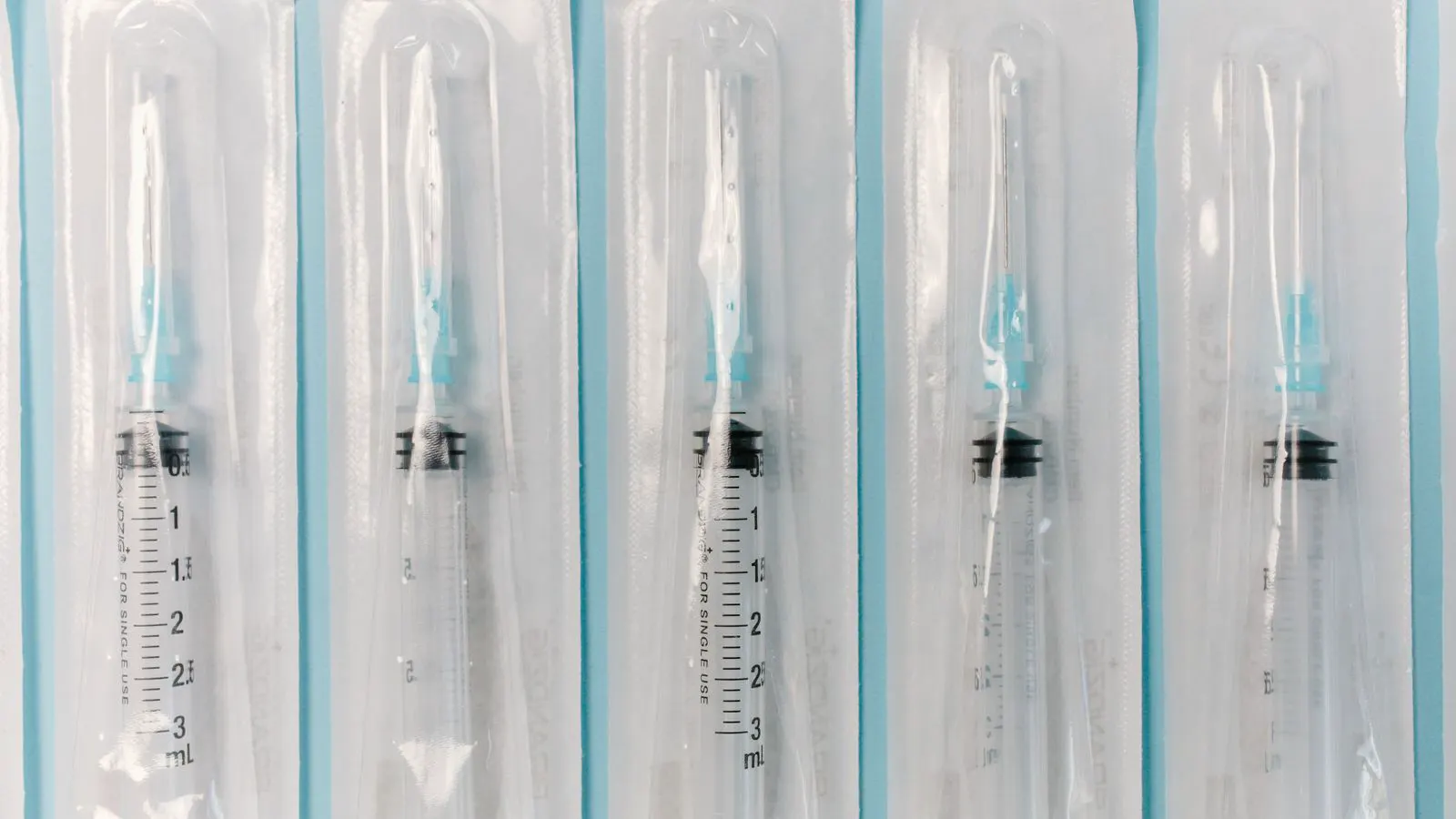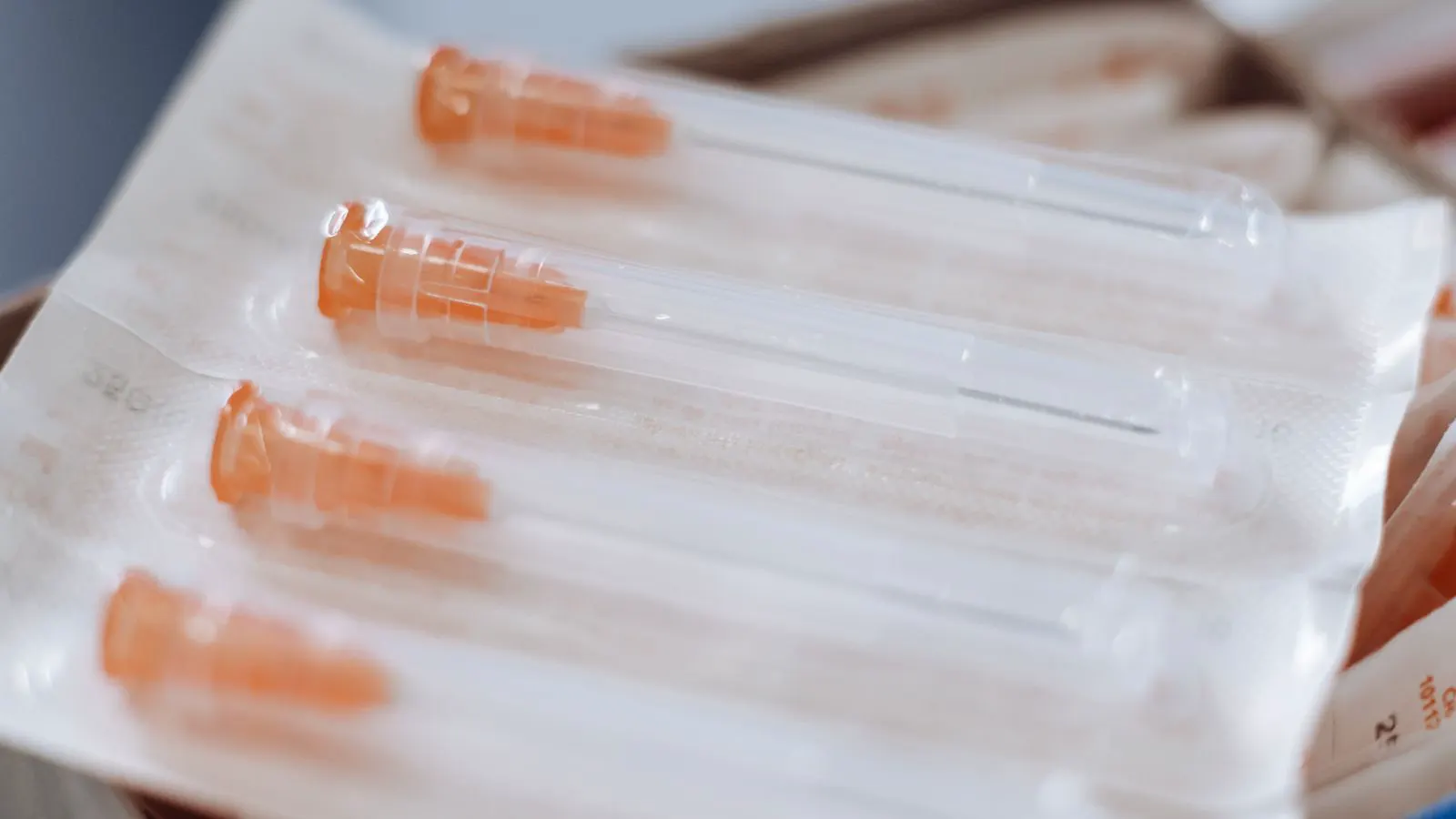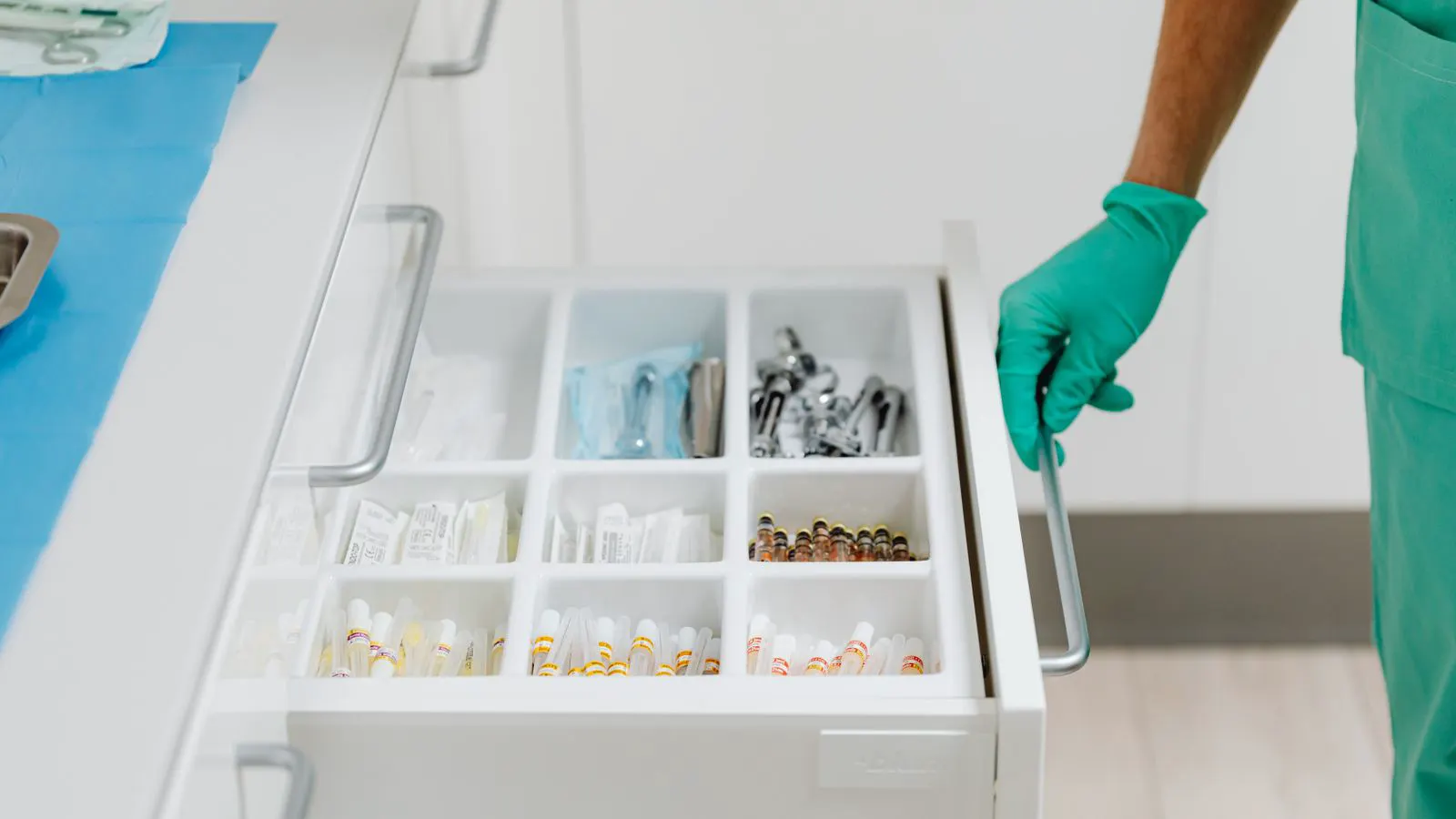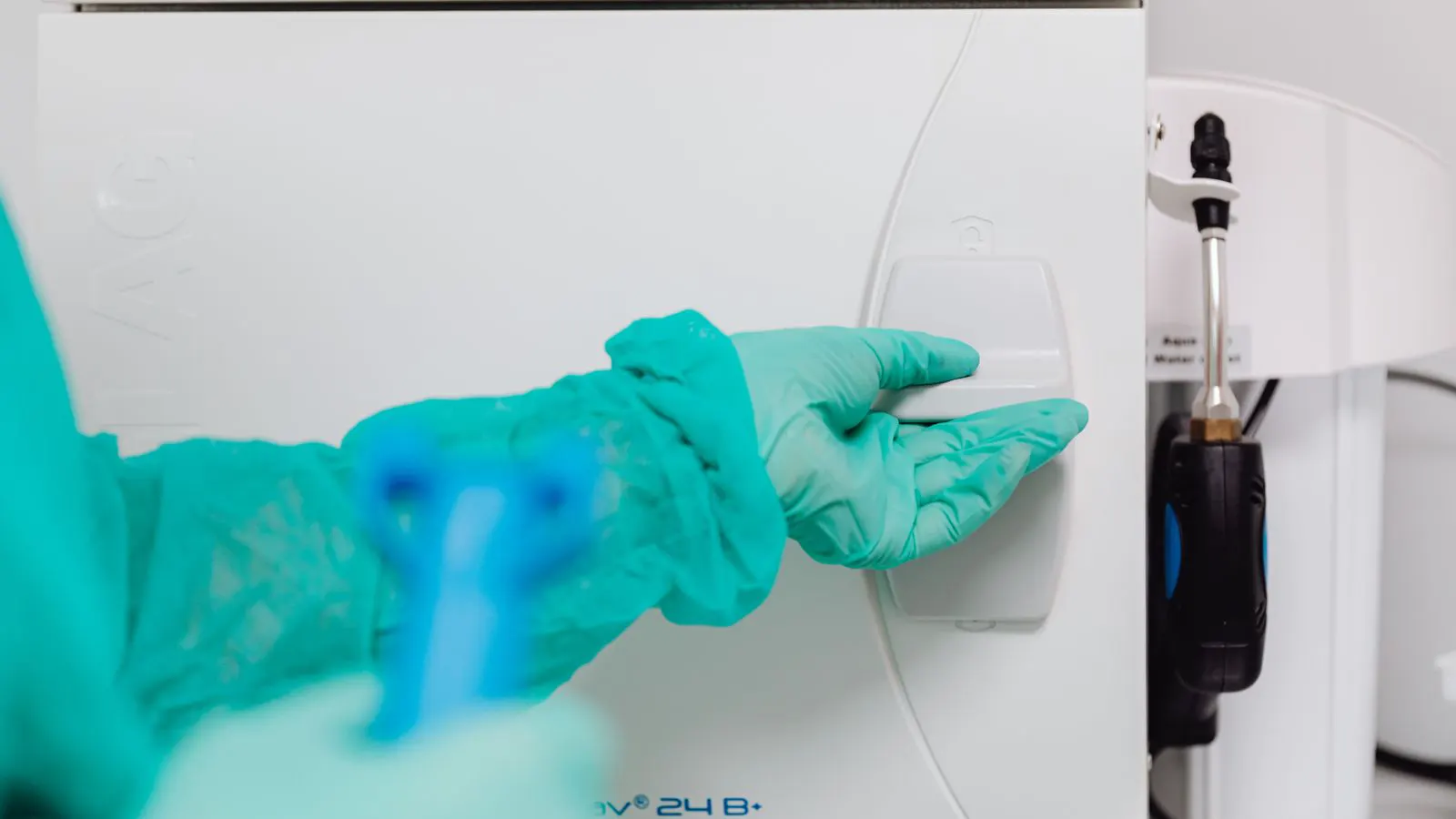
Sterile barrier systems are moving toward lighter materials and smarter validation. Buyers should plan for shifts in sterilization methods, automation, and traceability to maintain compliance and reduce costs.
- Expect lighter and more sustainable barrier materials to replace traditional plastic films.
- Sterilization methods will shift toward lower energy options with faster cycle times.
- Traceability requirements will push adoption of digital tracking and tamper-evident seals.
- Buyers must validate new barrier systems early to avoid supply chain disruptions.
- Automation in packaging lines will reduce manual error and improve throughput.
Sterile barrier systems face pressure from multiple directions at once. Regulatory bodies push for environmental accountability. Customers demand faster cycle times and lower total cost of ownership. Engineers look for materials that protect sterility while reducing weight. The result is a supply chain where static materials and fixed processes are giving way to dynamic, validated solutions.
What is driving the shift in barrier materials?
Plastic films have dominated sterile packaging for decades. They are cheap, flexible, and easy to seal. But they are also petroleum-based and difficult to recycle. Buyers are now looking at paper-based barriers and bio-based plastics. These materials often require new seal parameters. A seal that works on polypropylene may fail on a cellulose film.
The shift is not just about environmental goals. It is about performance. Paper-based barriers can handle higher temperature ranges. They also offer better barrier properties against moisture for certain applications. This opens up possibilities for different sterilization methods. For example, a barrier system designed for low-temperature sterilization may not be suitable for heat-based processes.
Buyers should evaluate new materials based on three criteria. First, seal integrity under the specific sterilization method used. Second, barrier properties over the storage life. Third, compatibility with the final product. A single change in barrier material can invalidate a product if the seal fails or if the material leaches into the device.
How are sterilization methods changing?
The most common sterilization methods remain ethylene oxide, gamma irradiation, and steam. However, the industry is seeing a move toward lower energy and shorter cycle times. Ethylene oxide is effective but slow. It requires aeration time after sterilization. Gamma is fast but requires heavy shielding and transport. Steam is effective but limited to heat-stable items.
Newer methods are gaining traction. Low-temperature steam and hydrogen peroxide are being explored for sensitive electronics and polymers. These methods offer shorter cycle times and no toxic residues. However, they require precise control of humidity and concentration. A small error can lead to incomplete sterilization or material degradation.
The key trend here is process control. Older systems relied on fixed parameters. Newer systems use real-time sensors to monitor the sterilization environment. This allows for shorter cycles and better product protection. Buyers should look for sterilization providers who offer real-time monitoring and data logging. This data is critical for regulatory submissions and internal quality audits.
What impact does traceability have on barrier systems?
Traceability is no longer optional. Regulators expect full visibility from raw material to final product. This means every barrier system must have a unique identifier. This identifier links the barrier to the sterilization lot, the packaging date, and the shipping date.
The practical impact is on packaging design. Traditional packaging often lacks space for unique identifiers. Newer barrier systems integrate the identifier into the seal or the label. This requires careful placement to avoid interfering with the seal or the product.
Buyers should also consider tamper-evident features. A barrier system that is tamper-evident provides an additional layer of security. It shows if the package has been opened or compromised during handling. This is especially important for high-value or high-risk devices.
The trend is toward digital traceability. RFID and QR codes are being integrated into barrier systems. These technologies allow for instant scanning and data capture. This reduces manual data entry and minimizes errors. Buyers should evaluate packaging lines that can handle digital identifiers without slowing down throughput.
What role does automation play in the future?
Manual packaging is slow and error-prone. Automation is becoming the standard for high-volume production. Automated packaging lines can handle multiple steps in sequence. They can apply the barrier, seal the package, apply the label, and scan the identifier. All in one continuous process.
The benefit is consistency. Every package is made the same way. There is no variation in seal pressure or label placement. This reduces the risk of failure. It also increases throughput. A line that runs at 200 packages per hour can be scaled to 400 with the right equipment.
However, automation is not a plug-and-play solution. It requires integration with existing systems. The packaging line must communicate with the sterilization system. It must also communicate with the warehouse management system. This integration is complex but necessary for traceability.
Buyers should look for modular automation. This allows for incremental upgrades. Start with a single automated station. Add more stations as volume increases. This reduces upfront capital expenditure and allows for testing. It also provides flexibility. If a new barrier system requires a different seal, the modular line can be adjusted without a full replacement.
How should buyers prepare for these shifts?
Preparation starts with early engagement. Engage with packaging suppliers and sterilization providers before the need arises. Ask about upcoming material options and process changes. This allows for early testing and validation.
The second step is to update internal procedures. New barrier systems may require new inspection steps. New sterilization methods may require new data logging. Update standard operating procedures to reflect these changes. Train staff on the new processes.
The third step is to build flexibility into the supply chain. Do not rely on a single supplier for barrier materials. Qualify a second or third source. This provides a backup if a supply chain disruption occurs. It also allows for better negotiation.
The final step is to monitor industry trends. Keep an eye on regulatory changes and technology developments. Join industry groups and attend conferences. This helps identify emerging issues before they become problems.
What are the risks of inaction?
The risks are real. A barrier system that is not validated for the new sterilization method will fail. This leads to product rejection and recall. A packaging line that is not automated will become a bottleneck. This leads to missed shipping dates and customer dissatisfaction.
There is also a financial risk. If a competitor adopts new barrier materials and automation, they can offer lower prices and faster delivery. This puts pressure on your pricing and margins. Inaction can erode your competitive position.
The transition is not without cost. New materials may be more expensive. Automation requires capital investment. Validation takes time and resources. But the long-term benefits outweigh the short-term costs. Lower failure rates, faster cycle times, and better traceability create a stronger business case.
How to evaluate new barrier systems
Use a structured evaluation process. Define the requirements first. What sterilization method will be used? What is the storage life? What are the environmental conditions? What are the traceability needs?
Next, request samples from suppliers. Test the samples under the specific conditions. Check seal integrity, barrier properties, and compatibility with the product. This data is essential for validation.
Finally, assess the supplier. Do they have the capacity to meet your volume? Do they have the quality management system in place? Can they provide the documentation required for regulatory submission? A reliable supplier is as important as the product itself.
| Barrier Material | Sterilization Compatibility | Environmental Profile | Key Consideration |
|---|---|---|---|
| Polypropylene | High heat, low temp | Petroleum-based | Proven performance, hard to recycle |
| Paper-based | High heat, some low temp | Renewable, recyclable | Requires new seal parameters |
| Bio-based plastic | Varies by type | Renewable, biodegradable | Limited data on long-term stability |
| Metal foil | High heat, low temp | Recyclable | Rigid, may not suit flexible products |
| Composites | Varies by composition | Mixed, recyclable | Complex recycling, good barrier |
Final thoughts on planning
The future of sterile barrier systems is defined by change. Materials are getting lighter and more sustainable. Sterilization methods are getting faster and more precise. Traceability is getting more granular and digital. Automation is getting more integrated and modular.
Buyers who plan for these changes will be in a strong position. They will have validated systems, reliable suppliers, and efficient processes. Buyers who wait will face disruptions, increased costs, and compliance risks.
Start with a small pilot. Test a new barrier material. Automate one station. Add a digital identifier. Learn from the results. Scale what works. Fix what does not. This iterative approach reduces risk and builds confidence. It also positions your organization for the long-term shifts in the industry.
The path forward is clear. It is not about adopting every new technology. It is about understanding which technologies solve your specific problems. It is about building a system that is resilient, efficient, and compliant. The future of sterile barrier systems is not a distant concept. It is being built in production lines and laboratories today.
Frequently asked questions
How do I know if a barrier system is compatible with a new sterilization method?
Request samples and run a full validation protocol. Test seal integrity, barrier properties, and material stability under the specific sterilization conditions.
What is the biggest risk of switching to a new barrier material?
Seal failure. A material that works for one sterilization method may not work for another. Always validate the seal parameters for the new material.
How long does it take to qualify a new barrier system?
It varies, but typically several months. This includes material testing, seal validation, and full product validation. Plan for a timeline that includes buffer time.
Is automation always worth the investment?
For high-volume production, yes. It reduces labor costs and improves consistency. For low-volume, it may not be cost-effective. Evaluate your volume and error rates.
What should I do if my current supplier cannot provide digital traceability?
Qualify a new supplier that can. Or, integrate a digital identifier at a downstream process. This may require revalidation of the packaging.