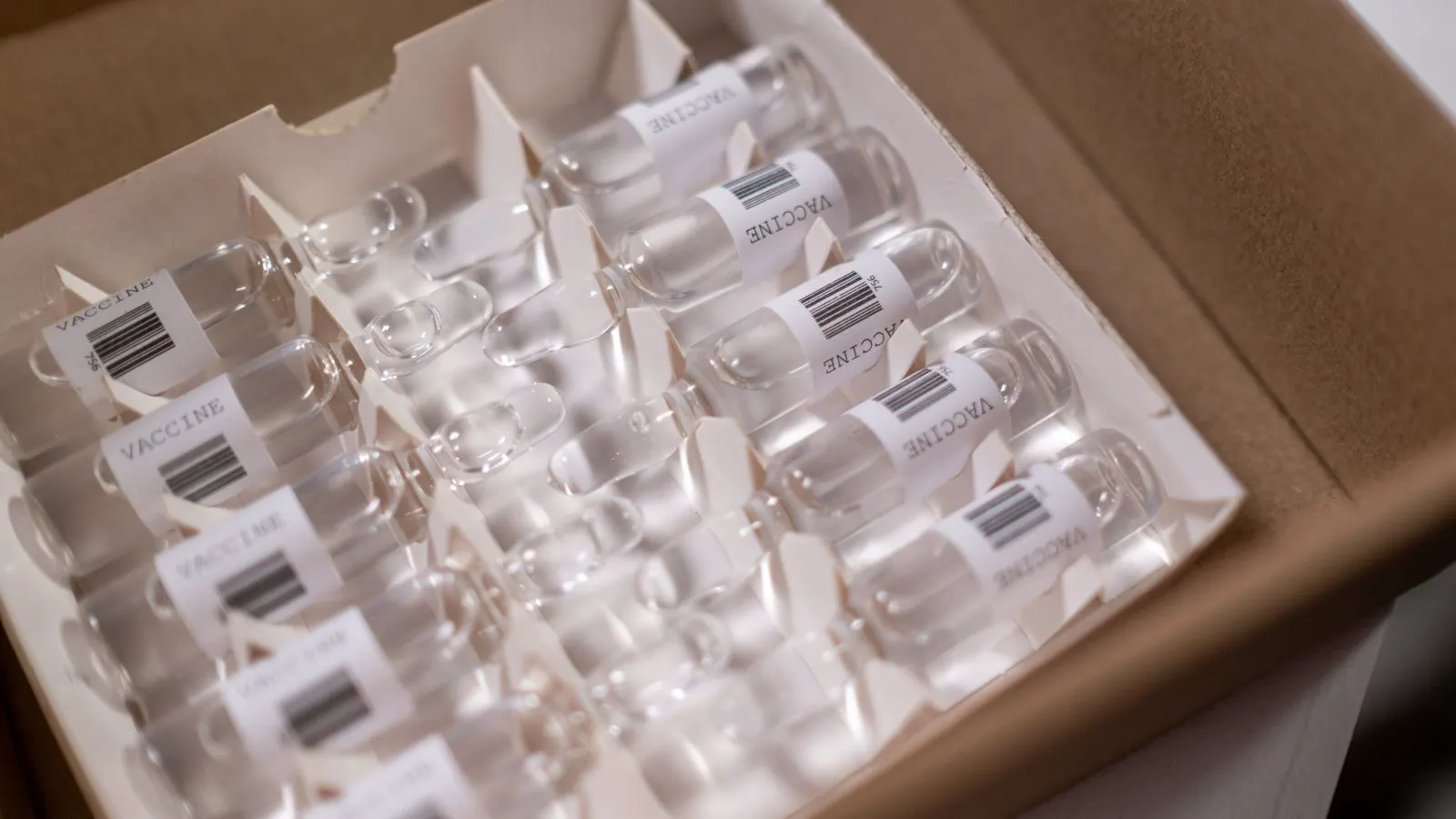
FDA 510(k) clearance costs and lead times vary by device complexity. Buyers should budget for regulatory services, testing, and potential design changes. A clear RFQ helps vendors quote accurately for US market approval.
- Costs depend on device complexity, testing needs, and the vendor's scope of work.
- Lead times stretch when design changes or additional testing are required during review.
- A specific RFQ prevents quote drift and makes vendor comparisons fair.
- Budget for a buffer to cover unexpected regulatory feedback or rework.
- Clarify who handles the submission, who pays for testing, and who owns the final documents.
What Drives the Cost of FDA 510(k) Clearance
The price of FDA 510(k) clearance is not a fixed line item. It depends on the device class, the intended use, and the level of support you buy from a regulatory consultant or contract research laboratory. Simple consumables with established controls may cost less than novel devices that require extensive bench testing or clinical data.
Regulatory submission work usually covers several distinct areas. The first is the preparation of the 510(k) form and the accompanying narrative. This text explains the device’s design, materials, and labeling. The second is the assembly of the technical file, which includes design controls, risk management, and performance data. The third is the management of correspondence with the FDA. Each of these areas has a different cost structure.
Testing is a major variable. If the device is a simple syringe or a standard bandage, existing literature may support the submission. If it is a new type of wound dressing with a novel adhesive, you may need independent laboratory testing to verify biocompatibility or tensile strength. The cost of these tests varies by method and sample quantity.
Labor rates for regulatory specialists also affect the total. Senior consultants command higher fees than junior staff. If your device has a complex labeling claim, you may need a regulatory attorney to review the text. This adds a layer of cost that many buyers underestimate until the first invoice arrives.
How Lead Time Changes During the Process
A standard 510(k) submission takes time. The FDA reviews the application, asks questions, and issues a decision. The clock starts when the FDA accepts the application. However, the total time you experience includes the work done before acceptance.
Pre-submission work is the longest part. You must finalize the design, run the tests, and write the technical file. If the design changes during testing, the timeline extends. This is the most common reason projects slip. A device that required a new adhesive formulation may need a second round of biocompatibility testing. That adds weeks to the schedule.
Once the application is submitted, the FDA review period begins. The agency may approve the device, deny it, or request additional information. If they request additional information, the clock pauses. You must answer the questions and resubmit. This back and forth is where lead time becomes unpredictable.
Buyers should build a buffer into their project plan. If you need the clearance before a contract with a hospital system expires, you must account for the possibility of a request for additional information. A timeline that assumes a smooth path is rarely accurate.
How to Write a Clear RFQ for Regulatory Services
A vague request for a quote leads to vague answers. When you ask for a quote, you must define the scope. Do not say, “We need 510(k) clearance.” Say, “We need a pre-submission consultation, a review of our existing test reports, and the drafting of the 510(k) narrative for a Class II wound dressing.”
Include the device details in the RFQ. List the materials, the manufacturing process, and the intended use. If you have existing documentation, provide a table of contents. This helps the vendor assess the workload. If you have no documentation, state that clearly. The vendor will need to budget time for writing the risk management file from scratch.
Specify the timeline. Tell the vendor when you need the submission ready. If you have a hard deadline, explain why. This allows the vendor to prioritize the project. If the deadline is too tight, they should tell you now. Do not wait until the quote is accepted to discover the timeline is impossible.
Ask for a breakdown of costs. Do not accept a single lump sum. Ask for the cost of the consultation, the cost of the drafting, and the cost of the submission management. This makes it easier to compare quotes from different vendors. It also helps you identify where you can save money.
How to Compare Quotes Fairly
Vendors often price their services in different ways. One may charge a flat fee. Another may charge by the hour. A third may charge a base fee plus a success fee. To compare them fairly, you must normalize the numbers.
Convert all quotes to a total cost. If a vendor charges by the hour, ask for an estimate of the hours. Multiply that by their hourly rate. Add the cost of any third-party services they are coordinating. If the quote includes a success fee, add that to the total. Now you have a comparable number.
Look at the scope of work. A lower price may mean a narrower scope. One vendor might draft the narrative but not manage the FDA correspondence. Another might handle the entire process. The higher price includes more labor. If you have no in-house regulatory staff, you need the full service. If you have a regulatory manager, you may only need the technical writing.
Check the turnaround time. A quote that promises a fast submission may include overtime or a premium service. A standard quote may take longer. Decide what is better for your business. If you need the clearance quickly, pay the premium. If you have time, wait for the standard service.
Cost and Lead Time Table
The table below shows the typical cost drivers for an FDA 510(k) clearance. The values are illustrative ranges. Actual prices depend on the specific device and the vendor’s rates.
| Cost Driver | Description | Typical Impact on Budget |
|---|---|---|
| Device Complexity | Novelty and class of the device | Low complexity reduces testing needs. High complexity increases them. |
| Testing Scope | Biocompatibility, sterility, and performance tests | Each test adds a fixed cost. New tests can double the budget. |
| Regulatory Labor | Drafting, review, and submission management | Senior staff cost more. Full service costs more than partial service. |
| Documentation Quality | Amount of existing data to be reviewed | Poor documentation requires more time to fix. Good documentation saves time. |
| FDA Feedback | Number of responses to additional information requests | Each response cycle adds labor and potential testing costs. |
Managing the Regulatory Submission
The submission process is a project, not a task. Assign a project manager. This person tracks the documents, the tests, and the communication with the vendor. Without a single point of contact, information gets lost.
Keep a master file. Store all emails, test reports, and drafts in one place. Use a naming convention that makes it easy to find the latest version. When the FDA asks a question, you need to find the answer quickly. A disorganized file slows you down and increases the risk of errors.
Review the label carefully. The labeling must match the device’s intended use. If the label says the device is for single patient use, but the instructions for use say otherwise, the FDA will reject the application. This is a common mistake that delays clearance.
Plan for the next steps. Once the clearance is granted, you must maintain the device. Any change to the design or the label may require a new submission. Build this into your long-term cost model. The clearance is not a one-time event. It is the start of a relationship with the regulator.
Common Mistakes That Increase Costs
The most common mistake is starting the project late. If you wait until the last minute, you cannot afford premium services. You may have to cut corners on testing, which leads to rework later.
Another mistake is underestimating the testing. Many buyers assume that one test is enough. If the test fails, you must redesign the device and test again. This adds weeks to the timeline and thousands of dollars to the budget.
The third mistake is not clarifying the scope. If you do not tell the vendor what you expect, they will not know what to charge. The quote will be generic. When you ask for more work, the price goes up.
The fourth mistake is ignoring the FDA’s guidance. The FDA publishes guidance documents for specific device classes. If you do not read them, you may miss a requirement. This leads to a request for additional information. Read the guidance before you start.
Planning Your Budget and Timeline
Create a simple budget. List the fixed costs, such as the regulatory fee and the testing fees. List the variable costs, such as the labor for drafting and the cost of any rework. Add a contingency. A standard contingency is 20% to 30% of the total budget. This covers the unexpected.
Create a timeline. List the tasks. Identify the dependencies. If the drafting depends on the testing, schedule the testing first. If the submission depends on the drafting, schedule the drafting next. Use a Gantt chart or a simple spreadsheet. Update it weekly.
Review the plan with your team. Make sure everyone understands the costs and the timeline. If a task is delayed, the whole project slips. Communication is key. Keep the vendor updated. Keep the internal team updated. Keep the stakeholders updated.
The FDA 510(k) clearance is a structured process. It has known costs and known timelines. But it also has variables. The device, the vendor, and the FDA feedback all affect the outcome. Plan for the variables. Do not plan for the best case. Plan for the average case. Add a buffer. You will be better prepared.
Frequently asked questions
How long does FDA 510(k) clearance take?
The total time depends on the device and the review process. Pre-submission work can take months. The FDA review itself takes time, and requests for additional information can extend the timeline.
What is the biggest cost driver for FDA 510(k) clearance?
Testing is often the biggest cost driver. If the device is novel, you may need multiple types of testing. Each test adds a fixed cost to the budget.
Can I do the FDA 510(k) clearance in-house?
It is possible if you have the staff and the expertise. Many companies hire a regulatory consultant to handle the submission. This reduces the risk of errors and saves time.
How do I compare quotes from different vendors?
Normalize the numbers. Convert hourly rates to total costs. Add up all the services. Look at the scope of work. A lower price may mean a narrower scope.
What happens if the FDA requests additional information?
The clock pauses. You must answer the questions and resubmit. This adds time and cost. Planning for this in your budget and timeline reduces the impact.