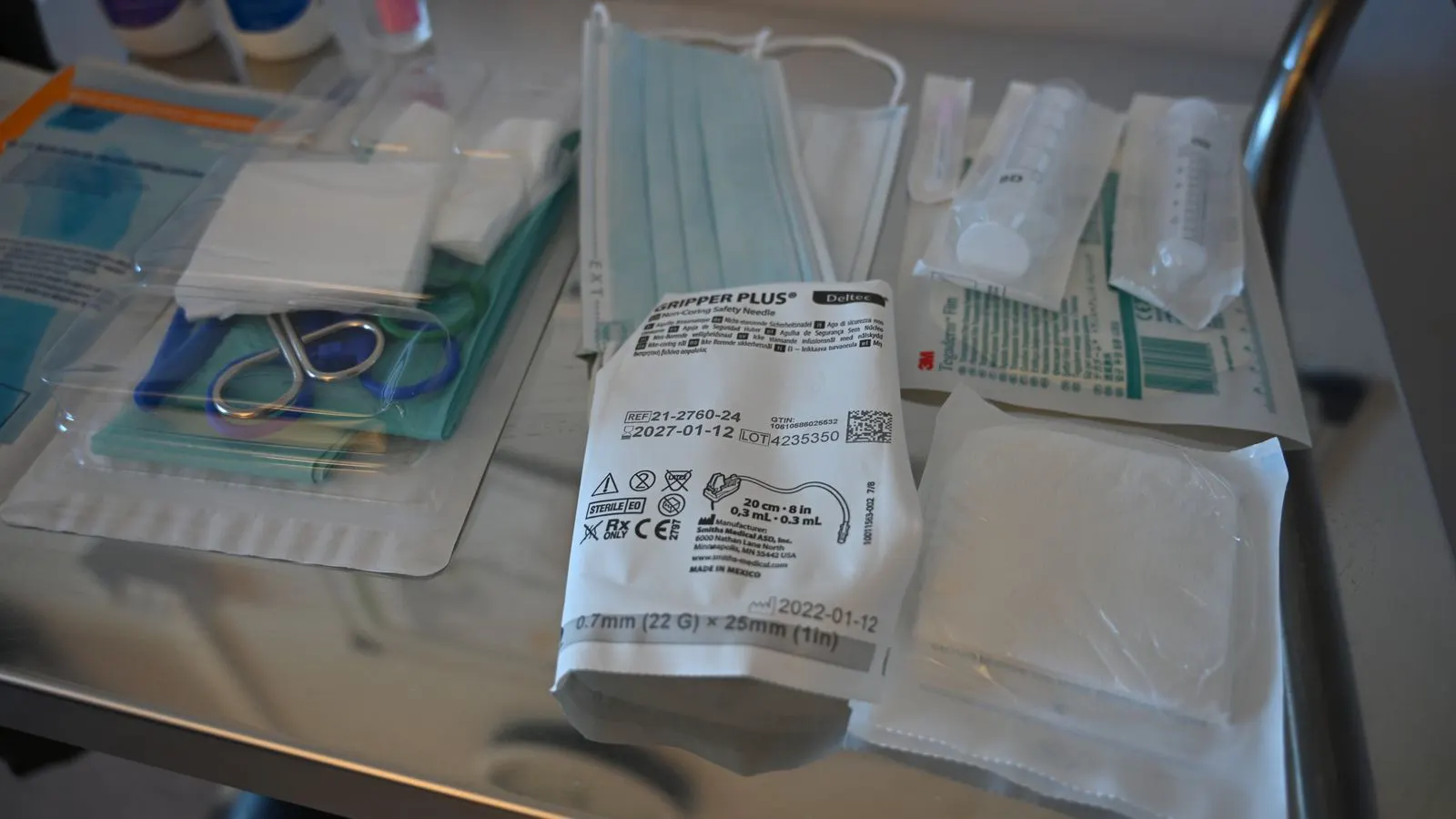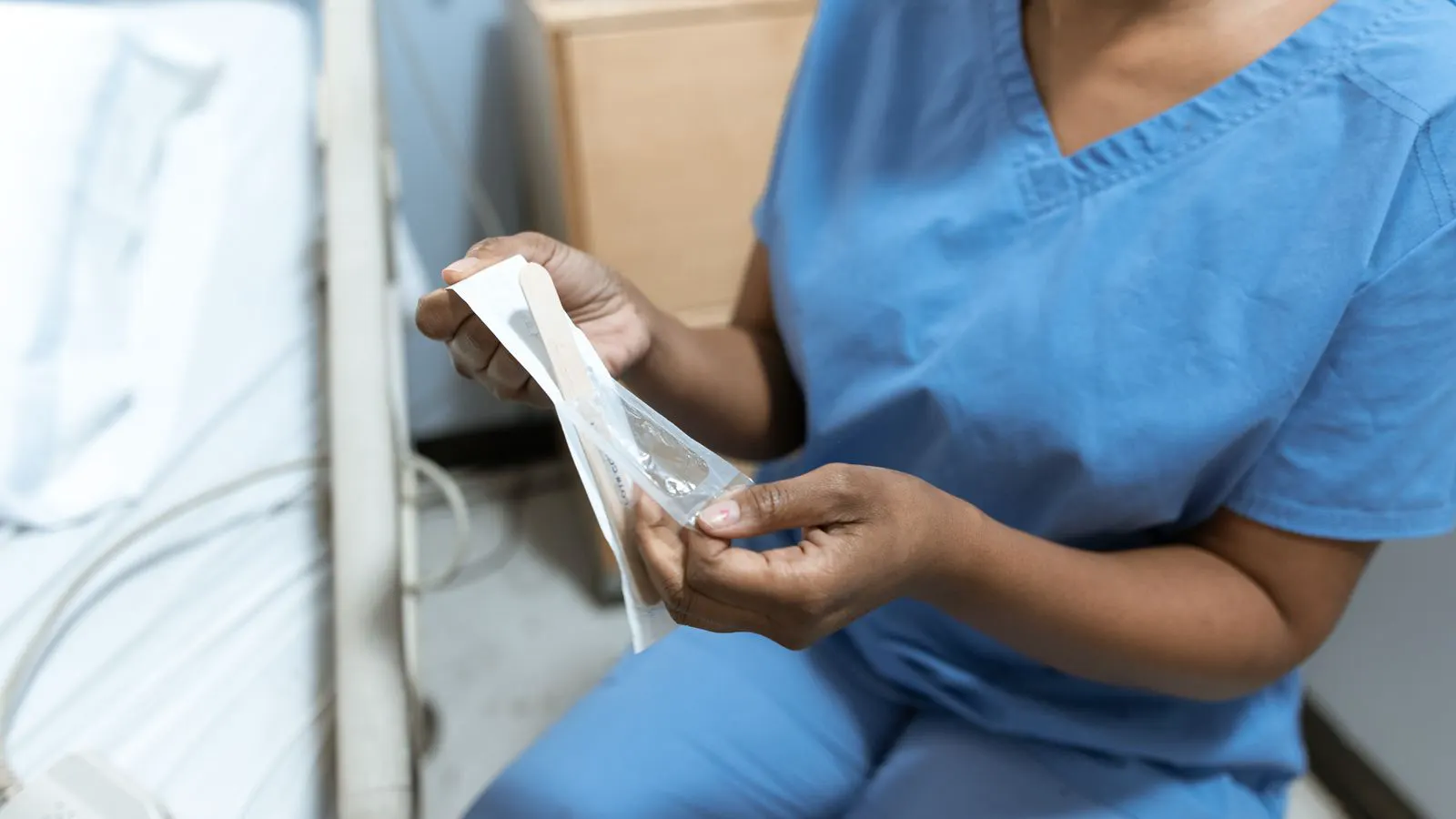
Gauze pads absorb fluid and suit deep, exuding wounds. Hydrocolloid dressings create an occlusive barrier for shallow, low-exudate wounds. The choice depends on wound depth, exudate volume, and patient comfort requirements.
- Gauze pads are best for deep, exuding wounds where frequent irrigation and inspection are needed.
- Hydrocolloid dressings reduce pain and protect skin in shallow, low-exudate wounds.
- Exudate volume is the primary decision factor between the two formats.
- Professional buyers should match dressing type to wound stage and patient activity level.
- Re-evaluate dressing choice if exudate changes during the healing process.
The Core Difference: Absorption vs Occlusion
Gauze pads and hydrocolloid dressings solve two different problems in wound management. Gauze works by wicking fluid away from the wound bed. Hydrocolloid works by trapping moisture against the skin to promote autolytic debridement.
This difference drives every other decision. If the wound leaks heavily, gauze keeps the surrounding skin dry. If the wound is dry or barely weeping, hydrocolloid prevents desiccation. The wrong choice creates complications. Heavy exudate under a hydrocolloid patch leads to maceration. Dry gauze on a shallow wound causes tissue trauma during changes.
When Gauze Pads Win
Gauze pads remain the standard for wounds with moderate to heavy drainage. Think surgical incisions in the first post-op window, pressure ulcers with active slough, or debridement sites where the clinician needs to see the wound bed directly.
The structure of gauze matters. Non-woven gauze absorbs more fluid per square inch than standard woven gauze, but it may shed fibers into the wound. Woven gauze holds shape better for packing deep cavities. For packing, you need layers. A single pad collapses. Multiple layers maintain negative pressure and channel fluid to the surface.
Gauze also allows easy inspection. You can lift a corner without removing the whole dressing. This is practical for wounds that need daily or twice-daily checks. The trade-off is patient discomfort. Gauze changes are wet, cold, and often painful. This makes gauze less ideal for elderly patients with fragile skin or for home care settings where nurses visit less frequently.
When Hydrocolloid Dressings Win
Hydrocolloid dressings excel on shallow, clean wounds with low to moderate exudate. Eczema patches, minor burns, and venous leg ulcers in the later healing phase fit this profile. The hydrocolloid layer absorbs a defined amount of fluid and converts it into a gel. This gel keeps the wound moist and softens necrotic tissue without enzymatic debridement.
The occlusive film is the key feature. It blocks bacteria and environmental debris. It also reduces friction during movement. For a wound on a patient’s forearm or calf, a hydrocolloid patch stays in place through daily activities. Gauze would require frequent re-bandaging and would likely shift.
Hydrocolloids also reduce pain at change-over time. The gel layer releases cleanly from the wound bed. There is no tearing of granulation tissue. For patients who are anxious or have high pain tolerance thresholds, this improvement in comfort can improve compliance.
Comparison Table: Gauze Pads vs Hydrocolloid
| Option | Best for | Limitations |
|---|---|---|
| Gauze Pads | Deep wounds, heavy exudate, surgical sites, cavity packing, frequent inspection | Patient discomfort, frequent changes, risk of desiccation if over-dry, shedding fibers in non-woven types |
| Hydrocolloid Dressing | Shallow wounds, low exudate, skin protection, home care, reducing pain at change-over | Cannot handle heavy drainage, occlusion may trap bacteria if wound is contaminated, not for cavities |
| Foam Dressing | Moderate to heavy exudate, need for absorption with less change frequency | Bulky, may shift, less cost-effective for small wounds |
| Alginate Dressing | Heavy exudate, cavity packing, debridement support | Requires secondary dressing, can be uncomfortable, not for superficial wounds |
| Silver Gauze | Infected or at-risk wounds, heavy exudate, antimicrobial need | Cost, potential toxicity in large areas, not for all skin types |
Matching the Dressing to the Wound Stage
The wound stage changes the dressing requirement. In the inflammatory phase, the wound is raw and bleeding. Gauze with an antiseptic solution is common here. The goal is hemostasis and keeping the site clean. Hydrocolloid is generally inappropriate at this stage because it traps bacteria and prevents visual assessment of bleeding.
In the proliferative phase, granulation tissue forms. The wound bed is pink and firm. Exudate decreases. This is where hydrocolloid dressings shine. They protect the delicate new tissue from shear forces and desiccation. If the granulation tissue is raised or hypertrophic, gauze may be preferred to apply light pressure and keep the area flat.
In the epithelialization phase, the wound closes. The skin is thin and vulnerable. Hydrocolloid or film dressings are ideal. They shield the fragile skin during the final healing days. Gauze changes at this stage carry a high risk of reopening the wound due to the adhesion of dried blood to the pad.
Procurement and Inventory Considerations
For professional buyers, the choice between gauze and hydrocolloid affects inventory depth and waste. Gauze comes in many sizes and absorbency levels. You need to stock multiple configurations to cover different wound types. Hydrocolloids come in fixed sizes and shapes. Circular and rectangular patches cover most superficial wounds, but large irregular wounds may require cutting or overlapping patches.
Storage conditions matter. Hydrocolloid patches must stay dry and protected from heat. High temperatures can degrade the adhesive and alter the hydrocolloid layer. Gauze is stable in standard warehouse conditions, but you must control humidity to prevent microbial growth in bulk packs.
Cost per change is a hidden factor. Hydrocolloids are more expensive per unit than gauze. However, they change less frequently. A hydrocolloid patch may stay in place for three to seven days. Gauze may need changing every eight to twelve hours in heavy exudate cases. When calculating total cost of care, hydrocolloids can be more economical for stable, shallow wounds.
Common Mistakes in Dressing Selection
Buyers and clinicians often make the same errors. The first mistake is using gauze for a shallow wound that is barely weeping. This leads to desiccated wound beds and delayed healing. The second is placing a hydrocolloid on a wound with heavy drainage. The patch lifts, the skin macerates, and the wound becomes infected.
A third error is ignoring patient mobility. A hydrocolloid patch on a patient who works physically may peel off at the edges. Gauze may hold better with a tape border. Conversely, a gauze dressing on a sedentary patient may need more frequent changes than necessary, causing skin irritation.
Finally, do not ignore the surrounding skin. If the skin around the wound is fragile or eczematous, the adhesive of a hydrocolloid may cause contact dermatitis. Gauze with a non-adherent border may be gentler. Always assess the skin, not just the wound bed.
Final Selection Criteria
Select gauze pads when you need absorption, inspection, and flexibility for deep or complex wounds. Choose hydrocolloid dressings when you need protection, pain reduction, and moisture retention for shallow, stable wounds.
The decision is not about which product is better. It is about which product fits the current state of the wound. Monitor the wound daily. If exudate increases, switch to gauze or a foam. If exudate decreases and the wound bed becomes dry, switch to hydrocolloid. The dressing must evolve with the wound.
Frequently asked questions
Can I use gauze pads for a small, dry cut?
No. Gauze on a dry wound causes desiccation and pain during removal. Use a hydrocolloid patch or a simple adhesive bandage for small, shallow cuts.
How long does a hydrocolloid dressing last?
Typically three to seven days, depending on exudate volume and wound location. Remove it if it becomes loose, leaks fluid, or shows signs of infection.
Is gauze better for infected wounds?
Gauze allows easier inspection and frequent cleaning, which helps manage infection. However, consider adding an antimicrobial agent like silver-impregnated gauze if infection is suspected.
What if a hydrocolloid patch leaks?
Replace it immediately. Leaking indicates the hydrocolloid layer is saturated. Continuing to use it can macerate the surrounding skin and trap bacteria.
Can hydrocolloids be used on cavities?
No. Hydrocolloids are flat and occlusive. They cannot pack cavities or manage deep drainage. Use gauze, foam, or alginate for cavity packing.