Loose adhesive bandages often result from moisture, poor skin prep, or skin type. This guide lists specific symptoms, likely causes, and practical fixes to keep wound dressings secure and reduce dressing changes.
- Moisture and skin oils are the two most common causes of adhesive bandages lifting or peeling.
- Clean and dry skin before application is the single most effective step to improve retention.
- Choosing the right wound dressing type for the wound condition prevents many peeling issues.
- Mechanical fixation like gauze or tape can help when adhesive alone fails.
- Preventive skin prep and the right product choice reduce frequent reapplication and irritation.
Why Adhesive Bandages Come Loose
Adhesive bandages lift, peel, or slide off for a few practical reasons. The adhesive relies on a clean, dry surface to bond. Most skin is not that surface. Sweat, blood, serous fluid, skin oils, and residual antiseptic all create a barrier between the adhesive and the stratum corneum. When the bond fails, the dressing separates and exposes the wound to air, friction, and contamination.
A loose bandage also signals a mismatch between the product and the clinical need. A standard adhesive bandage is not always the correct wound dressing for a weeping wound or a high-mobility joint. When the dressing is not suited to the wound, the adhesive takes the full mechanical load and fails. The adhesive layer is designed to hold a flat, stationary surface. It is not designed to stretch across a knuckle or absorb a continuous flow of exudate. If the wound condition or anatomy exceeds those limits, the bandage will separate.
Symptom, Cause, and Fix Table
The table below covers the most common symptoms seen in wound care settings. Match the symptom to the likely cause and apply the fix listed.
| Symptom | Likely cause | What to do |
|---|---|---|
| Bandage edge peels after a few hours | Skin oils or residual antiseptic on skin | Clean skin with water or saline, pat completely dry, reapply |
| Center of bandage lifts after a day | Moisture from the wound (weeping, serous) | Switch to a moisture-managing wound dressing such as a hydrocolloid or foam dressing |
| Bandage slides on a joint or hand | Mechanical movement exceeds adhesive strength | Add a light gauze pad over the bandage or use a non-irritant medical tape to secure the edges |
| Adhesive pulls hair or leaves red marks on removal | Adhesive too strong for sensitive skin or applied too thickly | Use a lower-adhesion wound dressing, apply thinner, and consider a gentle adhesive remover |
| Bandage stays loose only in hot or humid conditions | Sweat reduces adhesive bond | Increase application frequency, use a breathable wound dressing, or secure with tape |
| Bandage detaches after dressing change | Skin not fully dry before application | Allow skin to air-dry for at least one to two minutes after cleansing |
Moisture: The Most Common Cause of Peeling
Moisture is the primary reason adhesive bandages fail. Wounds produce fluid. Even a small amount of serous exudate reaches the adhesive zone and breaks the bond. Blood, pus, and antiseptic residue do the same. A bandage applied to a wet wound will not hold, regardless of brand or adhesive strength. The liquid prevents the adhesive from making intimate contact with the skin surface. Without that contact, the tensile strength of the bond drops below what is needed to resist daily movement.
The first step is to assess the wound. If the wound is dry or only lightly moist, a standard adhesive bandage is usually sufficient. If the wound is actively weeping, the adhesive alone is not the right tool. A hydrocolloid dressing or a foam wound dressing manages moisture better and keeps the area protected. These products are designed to absorb or absorbent layer that absorbs fluid and creates a barrier against the outer adhesive. How to Apply Gauze Pads for Effective Wound Care covers the technique for layering a secondary dressing over a primary adhesive bandage when the wound needs more coverage. In practice, this means placing a sterile gauze pad over the wound, applying the adhesive bandage over the gauze, and securing the edges with tape if necessary. This setup allows the gauze to handle the bulk of the exudate while the adhesive holds the assembly in place.
Skin Preparation Before Application
Skin prep is where most adhesive bandage failures start. The skin under the adhesive must be clean, dry, and free of loose debris. Apply the bandage to skin that is damp from washing, and the bond will fail within hours. Apply it to skin with visible oils, and the bond weakens. Sebum, the natural oil produced by sebaceous glands, is particularly problematic because it is hydrophobic and repels water-based adhesives.
A practical routine is simple. Cleanse the area with water or a mild saline solution. Gently pat the skin dry with a clean gauze or a sterile wipe. Wait one to two minutes for residual moisture to evaporate. Then apply the adhesive bandage. This step takes less than a minute and is the cheapest fix available. It also reduces the chance of adhesive-related skin irritation, which is a common complaint in long-term dressing use. If the patient uses a heavy lotion or cream on the surrounding skin, wipe that area clean before application. Lotions contain oils and alcohols that migrate into the adhesive zone and degrade the bond over time.
Choosing the Right Wound Dressing
Not all wounds need a standard adhesive bandage. Hydrocolloid dressings, foam dressings, and gauze pads each handle different wound conditions. A hydrocolloid dressing absorbs light to moderate exudate and maintains a moist healing environment. It works by forming a gel layer that absorbs fluid and keeps the wound bed moist. A foam wound dressing handles heavier exudate. The open-cell foam structure allows fluid to wick away from the wound surface and hold it within the dressing material. A gauze pad is useful for wounds that need frequent inspection or heavy dressing changes. Gauze is absorbent and easy to remove, making it suitable for deep or irregular wounds where specialized dressings might not fit.
When the adhesive bandage is the wrong product, no amount of tape or reapplication will fix the underlying problem. Evaluate the wound first. If it is a small, dry, low-mobility area, a standard adhesive bandage is fine. If it is weeping, on a joint, or over a large area, use a different wound dressing or combine the adhesive bandage with a secondary securing method. Essential Wound Care Supplies Checklist for Medical Facilities lists the core products that cover these scenarios. For example, a facility treating many post-surgical patients should stock hydrocolloid dressings for minor weeping wounds and foam dressings for larger areas with moderate to heavy exudate. Keeping these options available prevents clinicians from forcing a standard adhesive bandage into a role it cannot perform.
Mechanical Fixation: When Adhesive Is Not Enough
Sometimes the adhesive is good and the skin is dry, but the wound location makes retention impossible. Hands, fingers, knees, and ankles move constantly. The adhesive bond cannot keep up with that motion. In these cases, mechanical fixation is the correct answer. The goal is to distribute the mechanical load across a larger surface area and use a material that can stretch or bend without breaking the bond.
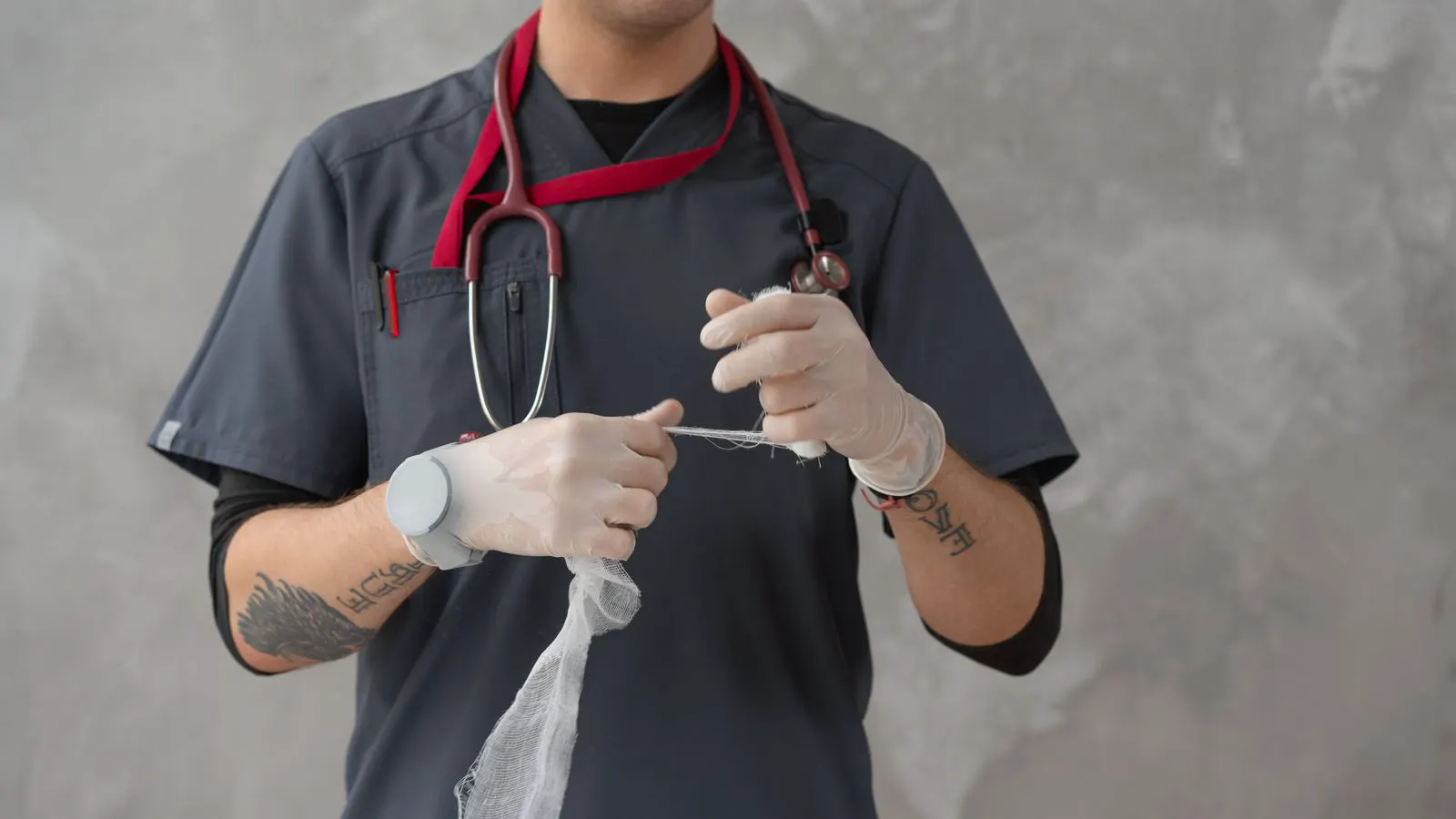
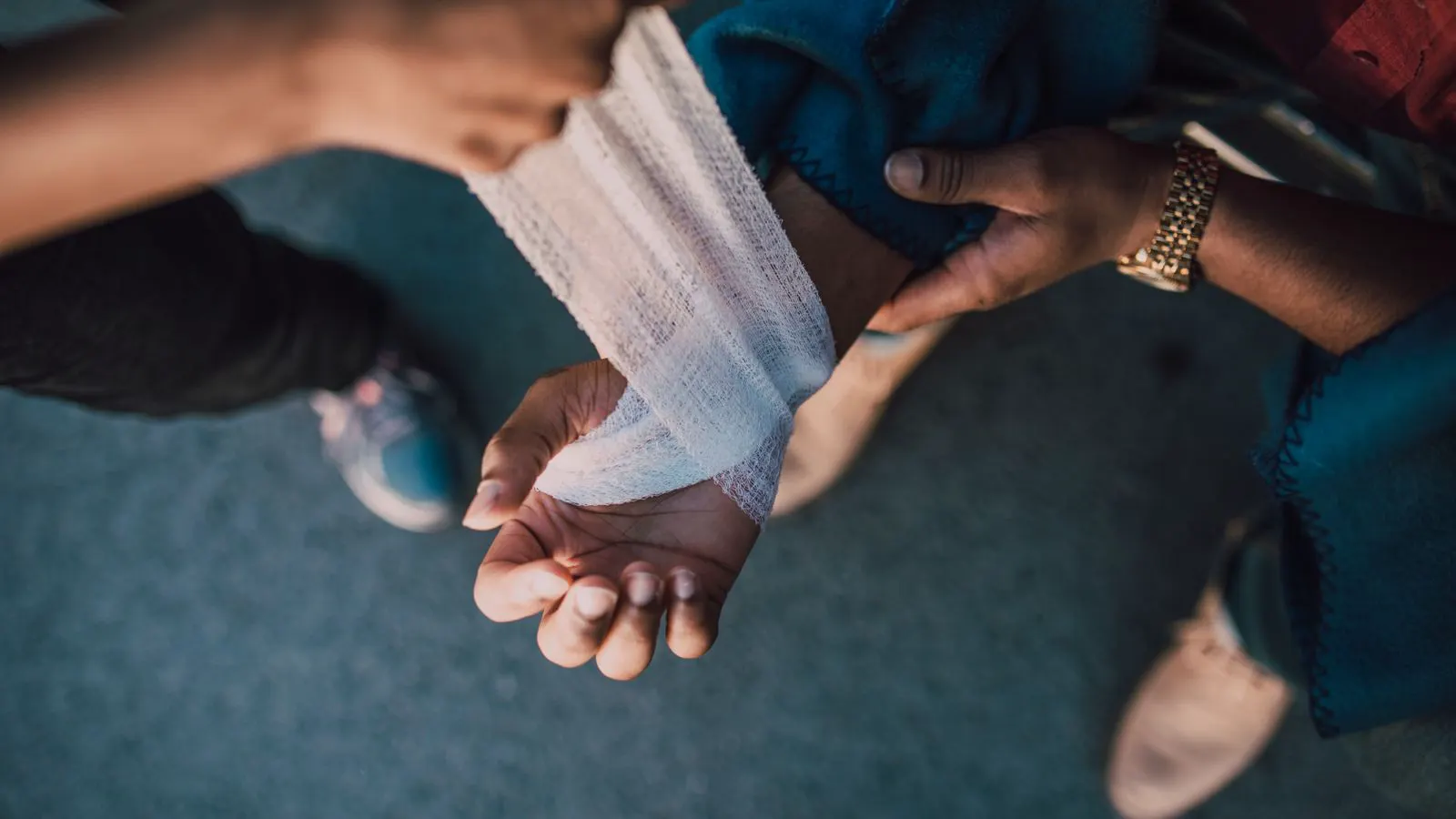
A light layer of gauze over the adhesive bandage adds a surface for tape to grip. A small strip of non-irritant medical tape over the gauze edges holds the assembly in place without putting all the load on the adhesive. This method is common in clinic settings and is easy to learn. It also allows the clinician to change the primary dressing without disturbing the entire secured area. When applying tape, avoid pulling the skin taut. Stretch the tape slightly as you apply it to the edges, so it sits flush against the skin without creating pressure points. This technique is particularly useful for bandages on the back of the hand or the wrist, where flexion and extension occur multiple times per hour.
Reducing Reapplication and Skin Irritation
Frequent reapplication of adhesive bandages causes its own problems. The adhesive pulls on the stratum corneum and hair follicles with each removal. Over several days, this creates redness, folliculitis, and pain. It also increases the risk of infection at the wound site. The repeated trauma to the skin barrier can delay healing and cause the patient to avoid dressing changes, which leads to wound deterioration.
Reducing the number of dressing changes is a practical goal. The right product choice, proper skin prep, and mechanical fixation all contribute to longer dressing retention. When a dressing stays in place, the wound heals in a more controlled environment and the patient or caregiver spends less time on dressing changes. This is especially relevant for home wound care, where the frequency of changes affects adherence and comfort. If a patient is changing a bandage every four hours, the skin may become compromised before the wound has a chance to heal. Extending the dressing retention time to 24 to 48 hours, when appropriate, reduces the cumulative trauma to the skin.
Prevention Tips for Longer Retention
Prevention is cheaper than reapplication. A few habits make a noticeable difference in adhesive bandage retention.
- Always clean and dry the skin before applying the adhesive bandage.
- Choose a wound dressing that matches the wound exudate level and location.
- For high-mobility areas, add a gauze pad and a light strip of medical tape.
- Inspect the dressing at the first opportunity after application. If an edge is lifting, address it before the full adhesion fails.
- Replace the adhesive bandage if the skin shows redness or irritation, even if the dressing is still in place.
When to Escalate
A loose adhesive bandage is usually a product or technique issue. It becomes a clinical issue when the wound shows signs of infection. Increasing redness, warmth, swelling, foul odor, or purulent discharge are not fixed by a better adhesive. In those cases, the dressing is secondary to the infection management. A clinician should assess the wound and decide on the appropriate wound care supplies and treatment plan. The dressing choice then depends on the clinical findings. A clinician may switch to a more absorbent dressing to manage increased exudate, or they may prescribe topical or systemic antibiotics. The adhesive strategy must align with the treatment plan. If the wound is infected, the priority is clearing the infection, not keeping the bandage on.
Gauze Pads vs Hydrocolloid: Choose the Right Wound Dressing covers the trade-offs between these two common options in more detail. The key point is that the dressing choice determines the adhesive strategy. A poorly chosen dressing will make every adhesive bandage seem loose.
Frequently asked questions
Why does my adhesive bandage come off after a few hours?
Moisture, skin oils, or residual antiseptic on the skin is the most common cause. Clean and fully dry the skin before reapplying.
Can I use tape to keep an adhesive bandage in place?
Yes. A light gauze pad over the bandage plus a small strip of non-irritant medical tape secures the assembly without putting all the load on the adhesive.
What if the wound is wet and the bandage keeps peeling?
A standard adhesive bandage is not the right product for a weeping wound. Switch to a moisture-managing wound dressing such as a hydrocolloid or foam dressing.
How long should I wait after cleaning the skin before applying the bandage?
Pat the skin dry and wait one to two minutes for residual moisture to evaporate. Applying to damp skin is a common cause of early peeling.
Does using a stronger adhesive fix a peeling bandage?
Not always. A stronger adhesive can increase skin irritation and does not solve a moisture or product mismatch problem. Fix the underlying cause first.