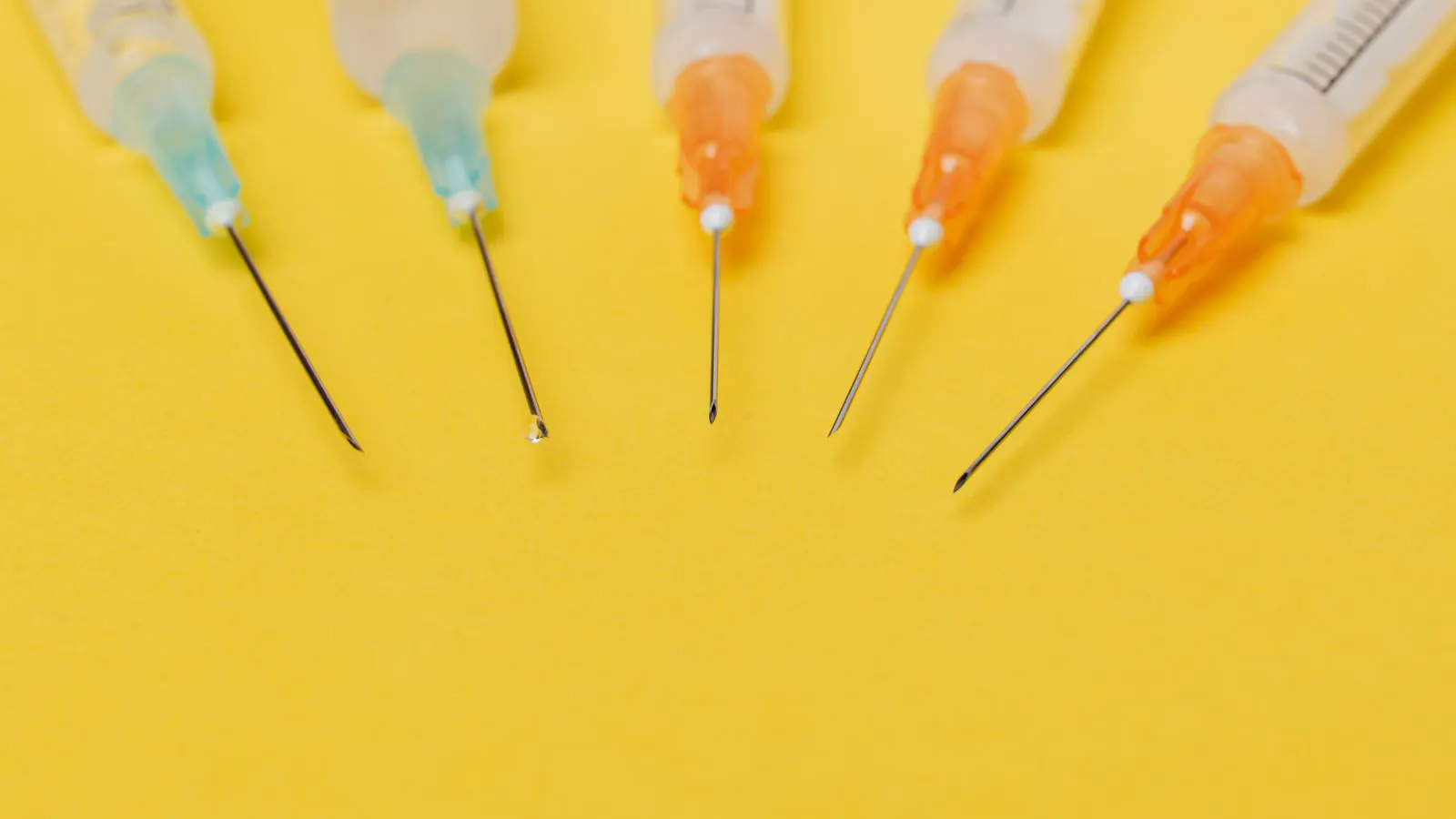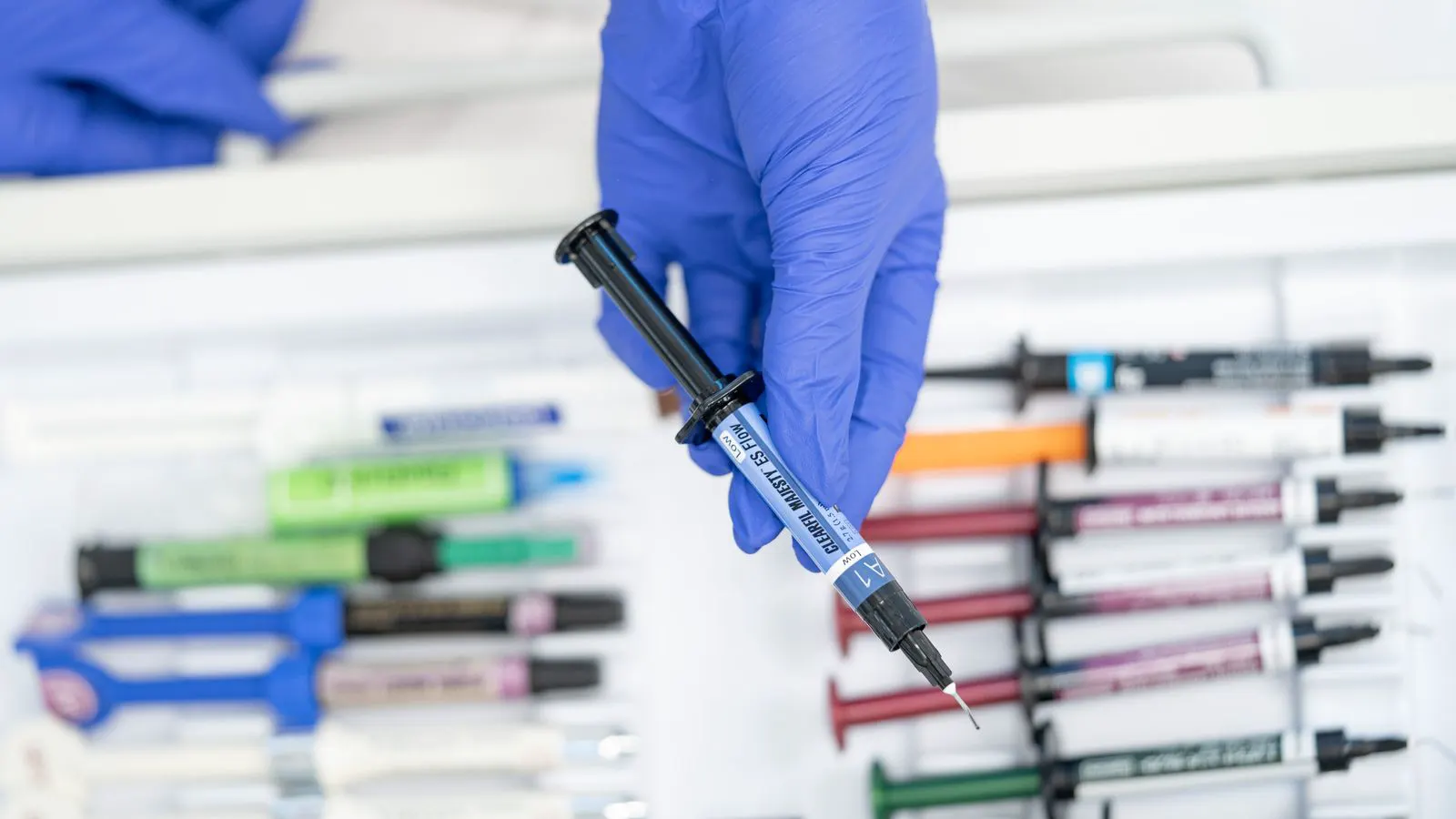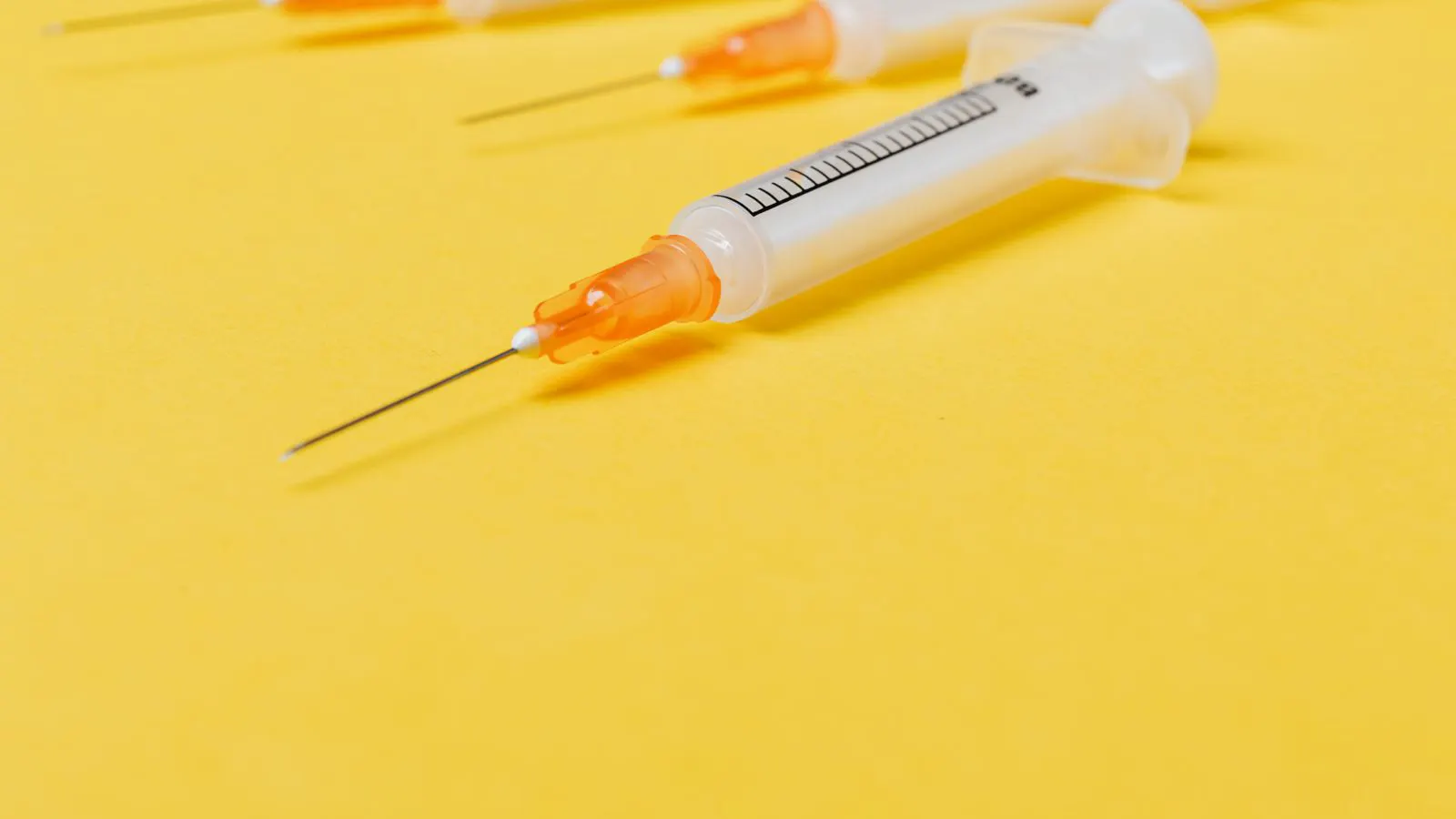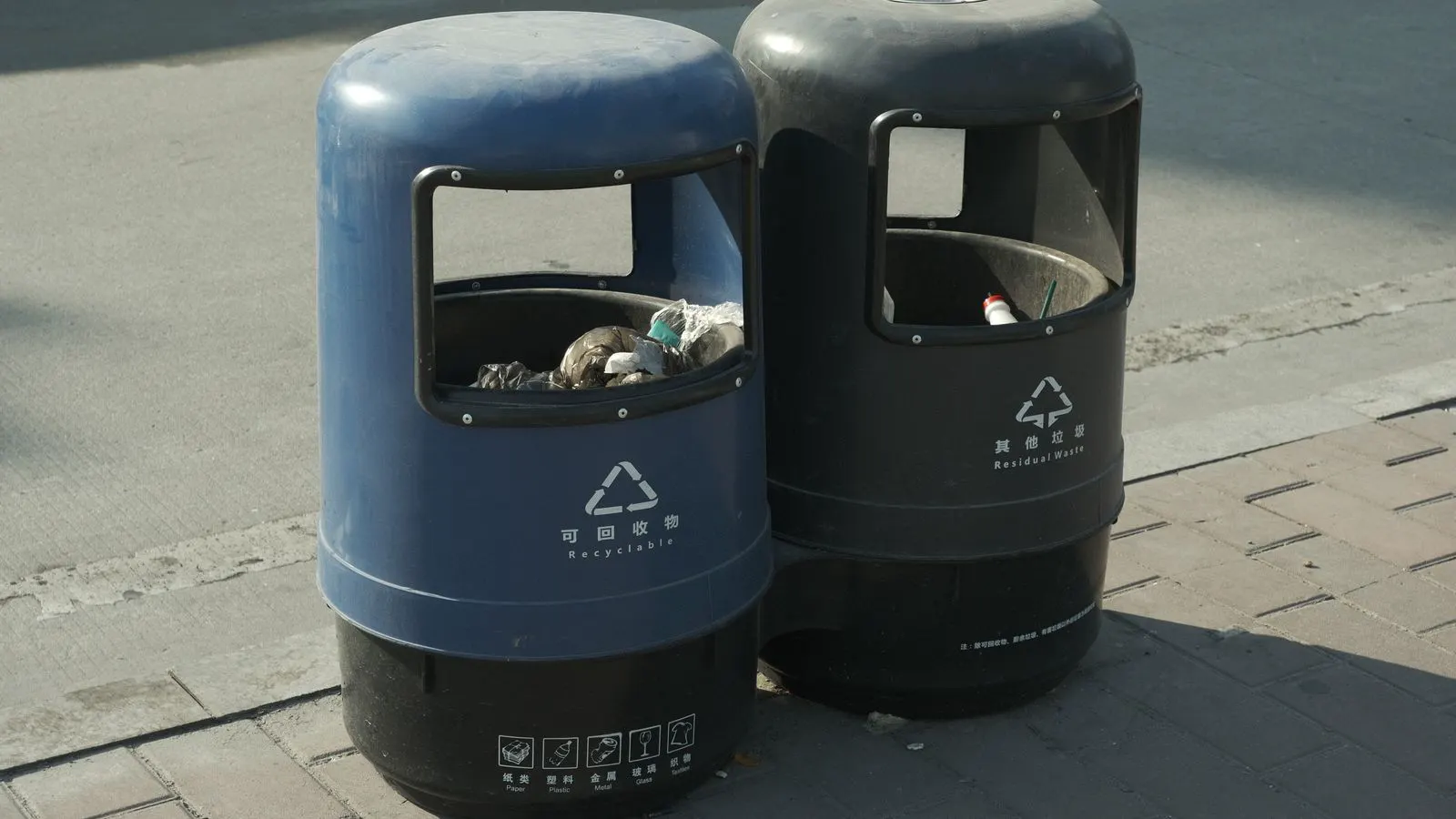
Puncture-resistant needles are evolving to balance safety and ergonomics, while sustainable packaging addresses waste and regulatory pressure. Procurement teams should plan for material shifts, recycling integration, and supplier readiness to manage future costs and compliance.
- Puncture-resistant needles are shifting from rigid safety features to ergonomic, ergonomic-friendly designs that reduce clinician fatigue.
- Sustainable packaging is moving beyond recycled paper to include mono-material films and recyclable inks that simplify waste streams.
- Procurement teams must verify material compatibility and recycling pathways before committing to large-scale supplier changes.
- Waste management requirements are expanding to cover packaging components, not just the needle itself.
- Early supplier engagement helps align technical specifications with environmental targets without compromising sterility.
Why Puncture-Resistant Needles Are Changing
Puncture-resistant needles have long been defined by one function: stopping the needle from piercing a gloved hand or a container. That safety feature remains the core requirement. What is changing is how that feature is built and how it fits into the workflow.
Older designs often added bulk. The safety mechanism could make the needle feel stiff, harder to grip, or slower to insert. Clinicians adapted, but the friction added up over a shift.
Newer puncture-resistant needles aim to reduce that friction. They use thinner, more flexible safety sleeves and spring-loaded or sliding mechanisms that deploy with less force. The goal is a needle that protects the user without forcing them to fight the device.
This shift matters for procurement. A needle that is safer but harder to use may still be adopted, but it can increase training time and reduce throughput. Buyers who evaluate ergonomics alongside safety ratings will avoid costly workflow disruptions.
How Material Innovation Is Reshaping Needle Safety
Material choice defines the performance of puncture-resistant needles. Most safety mechanisms rely on polymer sleeves, springs, or sliding components. The material must resist deformation, maintain sterility, and perform consistently over thousands of uses.
Polypropylene and polyethylene remain common because they are cost-effective and biocompatible. However, suppliers are testing blends that improve flexibility at low temperatures. A needle that stiffens in a cold storage area or a freezer can fail to deploy the safety mechanism properly.
Spring components are another area of change. Some newer designs use metal springs coated with biocompatible materials to reduce corrosion risk. Others experiment with polymer-based springs that offer lighter weight but lower durability.
The trade-off is clear. A more flexible sleeve may reduce user fatigue but can increase the risk of premature deployment if the material is too soft. Procurement teams should request sample kits that simulate cold storage and repetitive insertion. Checking the safety mechanism after one hundred insertions reveals issues that a single bench test misses.
Sustainable Packaging and the Waste Management Gap
Needle packaging faces pressure from two directions. First, waste regulations are tightening. Second, healthcare facilities want to reduce the carbon footprint of single-use medical consumables.
Most syringe and needle packaging uses multi-material films. A typical package combines a polypropylene tray, a polyethylene film, and a paper label with a plastic ink coating. This mix is hard to recycle. Facilities often treat it as mixed waste, which goes to landfill or incineration.
Sustainable packaging aims to break that cycle. The most practical shift is mono-material packaging. A package made entirely from one polymer type, such as polypropylene, can be cleaned and recycled into new products. This requires retooling for packaging suppliers and new sorting protocols for waste handlers.
Inks and adhesives are another weak point. Traditional packaging inks contain heavy metals or solvents that contaminate the recycling stream. Water-based inks and heat-sealable labels are becoming more common. They cost slightly more upfront but reduce downstream processing costs.
Waste management is where the gap lies. A facility may buy recyclable packaging but lack the sorting equipment to separate it from other medical waste. Without that infrastructure, the packaging still ends up in a general waste bin.
Five Shifts Buyers Should Plan For
Procurement teams can treat the next few years as a period of transition. Five shifts will shape how puncture-resistant needles and their packaging are sourced, used, and disposed of.
- Ergonomic safety mechanisms. Needles will prioritize user comfort alongside protection. Expect thinner sleeves and lower-force deployment systems.
- Mono-material packaging. Polypropylene-only packages will replace multi-layer films in many supply chains.
- Recyclable inks and labels. Water-based printing and heat-sealable labels will become standard for compliance.
- Integrated waste sorting. Facilities will need clear streams for packaging waste, separate from contaminated sharps.
- Supplier material transparency. Buyers will demand detailed material declarations to verify recyclability and biocompatibility.
These shifts are not optional for large institutions. They are driven by waste regulations, facility sustainability targets, and clinician expectations.
How to Prepare Your Procurement Strategy
Preparing for these changes does not require a complete supply chain overhaul. It requires targeted adjustments in specifications, supplier selection, and waste planning.
Update Technical Specifications
Review current needle specifications. Add clauses that require ergonomic testing data. Ask suppliers to provide insertion force measurements and safety mechanism deployment cycles.
For packaging, specify mono-material construction where possible. If a supplier offers multi-material options, ask for the material breakdown. A simple BOM, or bill of materials, will show which components can be separated and which cannot.
Pilot with a Controlled Group
Select a single clinical unit for a pilot. Introduce the new puncture-resistant needles and their packaging. Track three metrics:
- Time per insertion
- User comfort feedback
- Packaging waste volume
A pilot of two to four weeks provides enough data to judge usability without disrupting hospital operations.
Align Waste Management with Packaging Changes
Before switching packaging, confirm that your waste vendor can handle the new stream. If you are moving to mono-material polypropylene, your sorting facility must be able to separate it from other plastics.
If your current waste contract does not cover packaging recycling, renegotiate before the switch. A delayed change in waste handling can create a backlog of recyclable material that must be discarded.
Engage Suppliers Early
Suppliers often have multiple packaging options. Some are already mono-material but do not market it prominently. Ask directly.
Request sample packaging with full material declarations. Verify that the label, ink, and sealant are compatible with your recycling pathway. A small sample kit costs less than a production run that fails at the sorting stage.
Train Clinical Staff
New safety mechanisms require practice. A training session of one hour is enough to cover insertion technique and deployment. Include a troubleshooting guide for when the safety sleeve does not deploy.
Training reduces hesitation and improves adoption. Clinicians who feel confident with the device are less likely to report it as defective.
A Practical Table of Material Choices
The table below compares common materials used in puncture-resistant needles and their packaging. It focuses on recyclability, biocompatibility, and typical trade-offs.
| Component | Common Material | Recyclability | Biocompatibility | Typical Trade-off |
|---|---|---|---|---|
| Safety Sleeve | Polypropylene | High if mono-material | Yes | Can stiffen in cold; may wear over time |
| Spring Component | Stainless Steel | Very high | Yes, if coated | Adds weight; corrosion risk if coating fails |
| Needlе Shaft | Stainless Steel | Very high | Yes | Standard; no significant trade-off |
| Packaging Film | Polypropylene | High if mono-material | N/A | Requires separate sorting stream |
| Label | Paper with heat seal | Medium | N/A | Ink choice affects recyclability |
| Adhesive | Acrylic based | Low | N/A | Contaminates recycling stream if not removed |
The table highlights a key point. The needle shaft and spring are easy to recycle. The packaging film and label are where the waste burden sits.
Common Mistakes to Avoid
Procurement teams often make three mistakes when planning for these shifts.
First, they assume that “recyclable” packaging is automatically recyclable in their facility. A package made from mono-material polypropylene may be technically recyclable, but if your sorting facility only handles mixed plastics, the package will be rejected.
Second, they skip the ergonomic evaluation. A puncture-resistant needle that is safe but awkward to use will face resistance from clinical staff. That resistance leads to workarounds, which can compromise safety.
Third, they treat waste management as an afterthought. Packaging changes must be planned alongside waste contracts. If the waste vendor cannot handle the new stream, the facility will either pay extra for special disposal or discard the material as waste.
What to Look for in Supplier Documentation
When evaluating suppliers for puncture-resistant needles and sustainable packaging, request specific documents.
- Material Declaration: A full list of polymers, metals, inks, and adhesives used in the packaging.
- Recycling Pathway Confirmation: A statement from the supplier or waste vendor confirming that the packaging material can be processed in your region.
- Ergonomic Test Data: Insertion force measurements and deployment cycle counts.
- Biocompatibility Reports: ISO 10993-5 and ISO 10993-10 test results for materials that contact blood or tissue.
- Sterility Validation Data: EO sterilization reports for the packaged product.
These documents provide the basis for a risk-based decision. Without them, a procurement team is guessing.
The Bottom Line for Medical Consumables Planning
Puncture-resistant needles and sustainable packaging are moving in the same direction: less waste, better ergonomics, and clearer supply chain accountability.
Procurement teams that plan ahead will have access to materials that meet both safety and environmental targets. Those that wait will face higher waste costs and workflow friction.
Start with a small pilot. Verify the waste stream. Check the ergonomics. Then scale.
Frequently asked questions
Can puncture-resistant needles be recycled with regular medical waste?
No. Sharps must be disposed of in dedicated puncture-resistant containers. The needle itself is not part of the general recycling stream.
What is the main material barrier in sustainable needle packaging?
Multi-material films that combine different polymers. Mono-material packaging, such as polypropylene-only, is the most practical solution for recycling.
Do ergonomic safety features affect sterilization?
They can, if the design introduces complex crevices where bioburden accumulates. Suppliers should provide sterilization validation data for the specific mechanism.
How long should a waste management contract be reviewed before switching packaging?
Review it before the switch. If the new packaging requires a different sorting stream, the contract must be updated first to avoid disposal issues.
Are metal springs in puncture-resistant needles recyclable?
Yes. Stainless steel springs are highly recyclable. They should be separated from polymer components if your facility has a mixed-waste sorting process.