Verify sterile medical consumables before dispatch by inspecting packaging integrity, reviewing sterilization records, and checking transport documentation. This checklist helps prevent non-conforming shipments and supports regulatory compliance.
- Inspect each medical packaging unit for physical damage, seal integrity, and label legibility before dispatch.
- Cross-check sterilization lot numbers and expiry dates against transport documentation to prevent mix-ups.
- Verify that environmental conditions and handling instructions are clearly marked to protect sterility during transit.
- Maintain a traceable record of every inspection step for audit purposes and liability protection.
- Identify red flags such as torn wrappers, missing lot codes, or unsealed trays that require immediate quarantine.
Why pre-shipment checks matter for sterile consumables
A sterile barrier system only protects the patient if the packaging holds up through production, storage, and transport. The final hours before dispatch are the last chance to catch a defect that would otherwise reach a hospital operating room. A torn pouch, a misprinted lot code, or a missing sterilization certificate can all invalidate a product that otherwise meets specification.
This checklist is written for buyers, quality engineers, and logistics coordinators who handle medical consumables. It covers the physical, documentary, and logistical checks that determine whether a shipment is ready to leave the facility. Use it as a standardized protocol so that every batch undergoes the same level of scrutiny. Consistent application reduces the risk of batch rejection at the receiving site and prevents the costly cycle of returns, re-inspections, and production downtime. When a hospital receives a damaged sterile pack, the clinical decision is immediate: the unit is discarded. The loss is total. The pre-shipment check is the economic control that prevents that loss.
What to inspect in the physical packaging
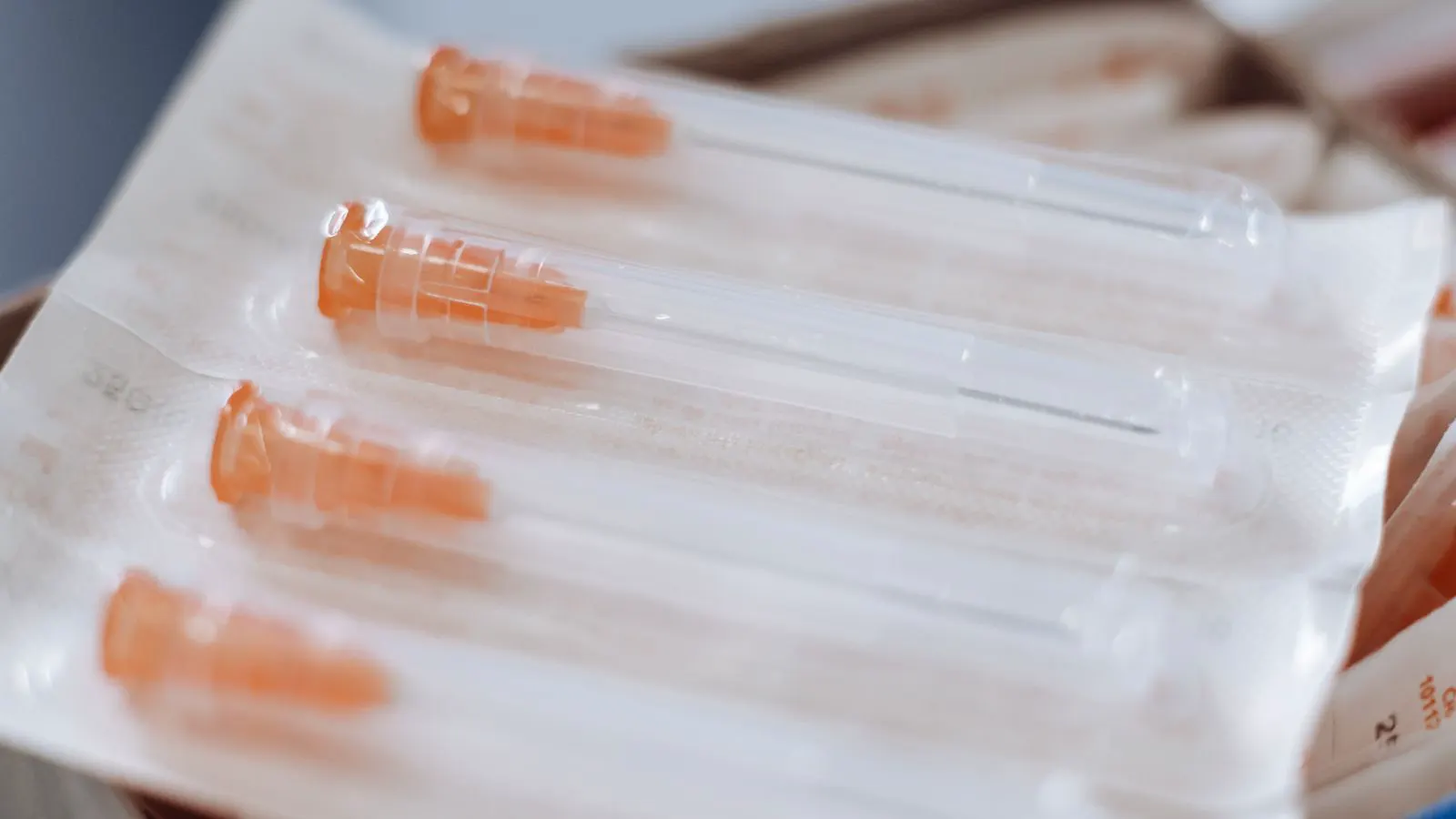
Start with the outer carton. Look for dents, water stains, or crushed corners that suggest the unit has been damaged in transit to the staging area. Pay attention to the top and bottom flaps. If a flap is torn or the glue line has failed, the internal product may have been exposed to dust or moisture. Open the carton and verify that the inner medical packaging is undamaged. Check the primary barrier, which may be a pouch, blister, tray, or rigid container.
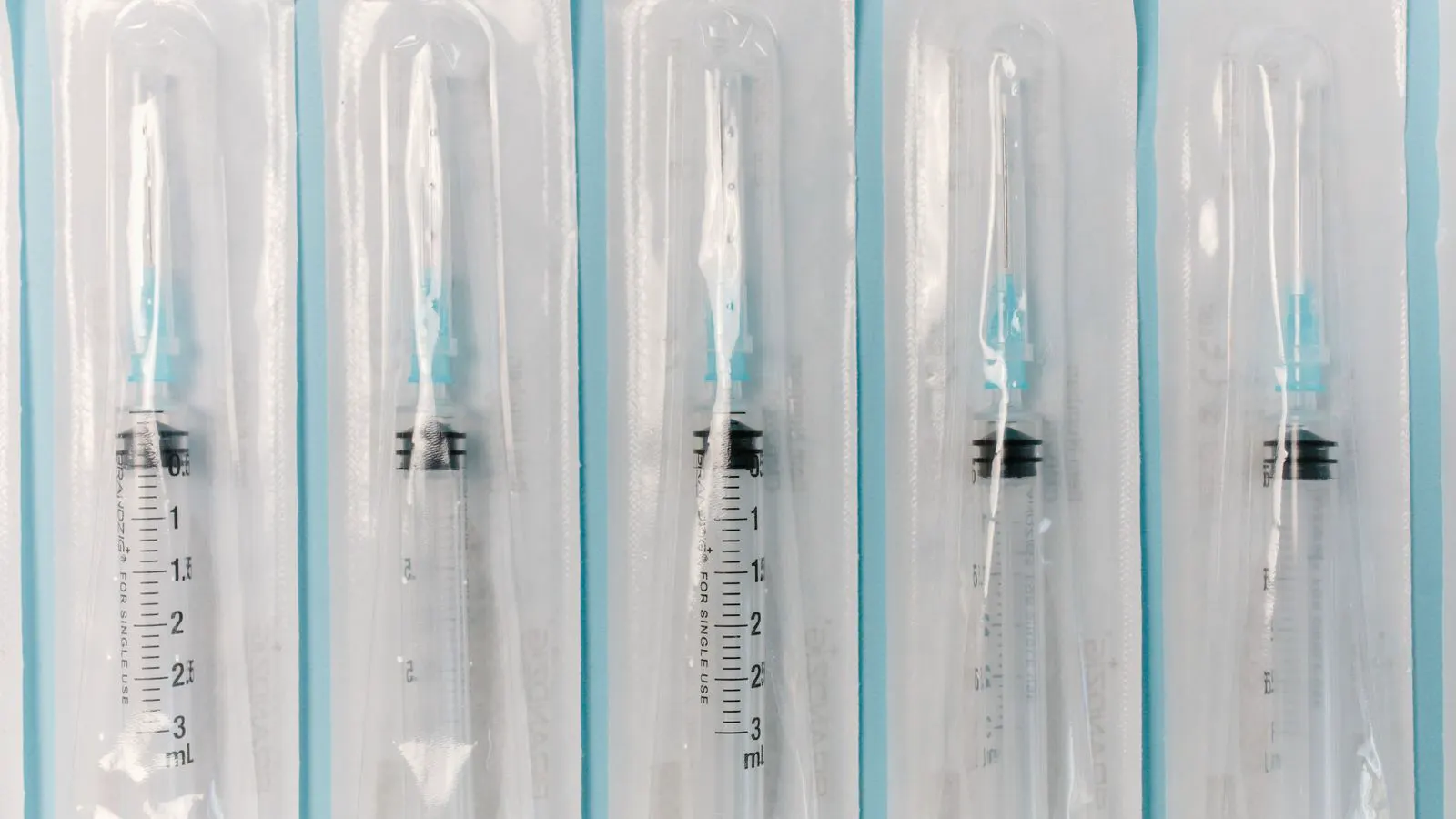
Inspect the seal. A sterile barrier relies on an airtight or watertight seal to maintain sterility. Look for gaps, wrinkles, or incomplete heat-seal lines. For pouches, check the crimp or welded edge. Run a fingernail gently along the seal line to check for flexibility. A brittle seal that cracks under light pressure is a failure point. For blister cards, verify that the product is fully encapsulated and that the foil or plastic layer shows no punctures. Hold the card against a light source. Any shadow or pinhole indicates a breach of the sterile barrier.
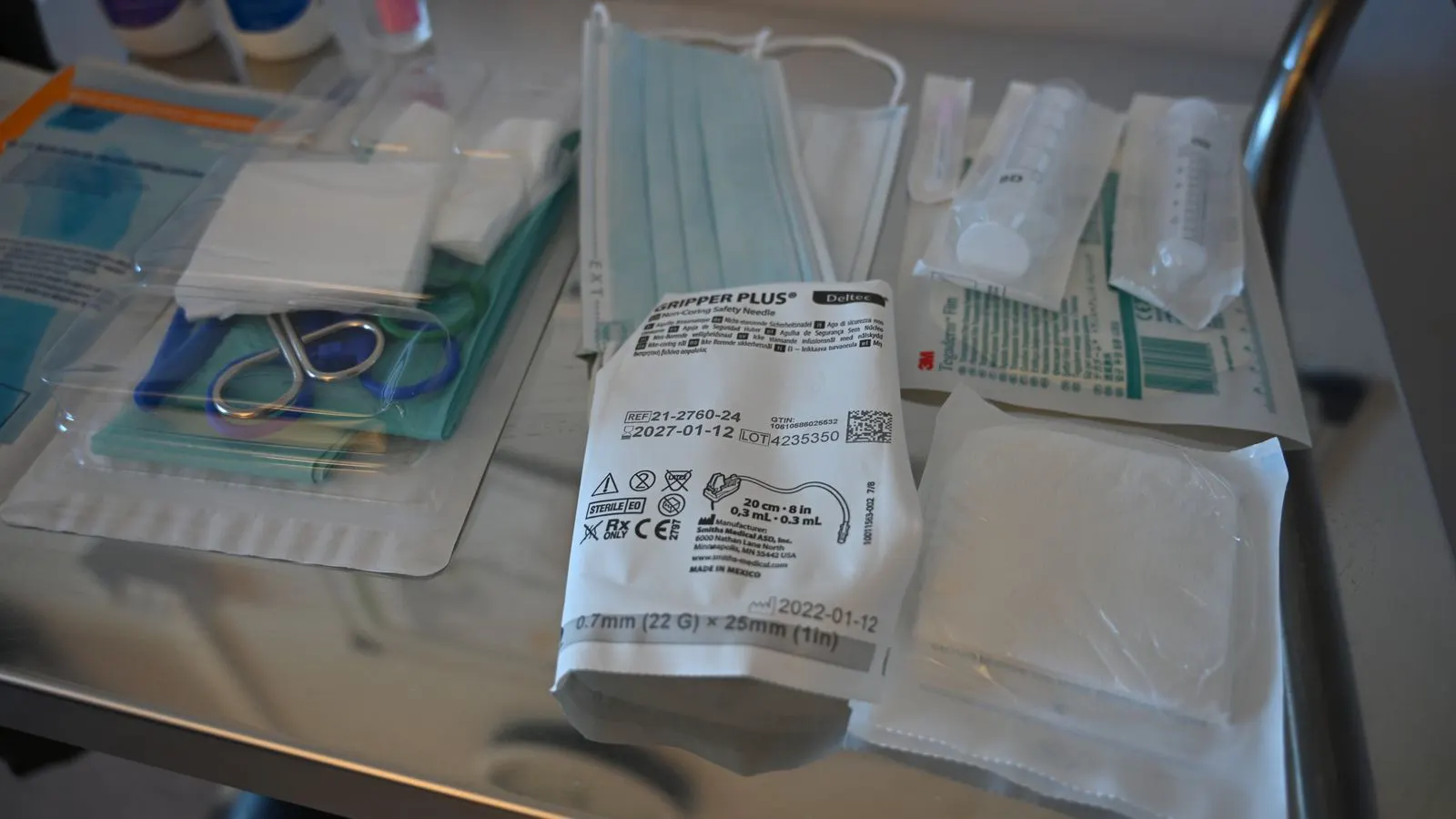
Check the labels. Every unit should carry a legible label showing the product name, size, lot number, expiry date, and sterilization method. Use a light source and a magnifier if necessary. Faded ink or peeling adhesive can make critical information unreadable. If a label is missing or illegible, quarantine the unit and do not release it into the shipment. Check for label alignment. A label that covers the barcode or the lot number creates a data entry error at the receiving warehouse. This leads to picking errors and inventory discrepancies. Verify that the label material is appropriate for the environment. Some labels use inks that bleed when exposed to humidity, causing text to run and become illegible.
Sterilization documentation verification
The physical package is only half the story. You must confirm that the sterilization process was completed and recorded correctly. Retrieve the sterilization certificate or log for the specific lot number on the package. These documents are often generated electronically and printed at the time of release. If the paper copy does not match the digital record in the quality management system, flag the discrepancy immediately.
Match the lot number on the certificate to the lot number printed on the packaging. A mismatch is a red flag that may indicate a packaging error or a documentation failure. Verify the sterilization method, such as ethylene oxide or gamma irradiation, and confirm that the treatment parameters match the product specification. For ethylene oxide, check the exposure time and aeration period. For radiation, verify the dose delivered. The log should show that the sterilization chamber or facility passed calibration checks during the production run.
Check the expiry date. Sterile products have a defined shelf life that depends on packaging integrity and sterilant residue levels. If the expiry date is past or approaching, do not ship the unit. Confirm that the date is printed in the required format and is legible. Check that the expiry date is not altered or overwritten by a secondary label. This is a common error when products are transferred between storage locations.
Review the acceptance criteria. The sterilization log should state whether the product met the required sterility assurance level and bioburden reduction. If the log is incomplete or missing, hold the shipment and escalate to the quality assurance team. Do not rely on verbal confirmation from the production floor. The paper or digital trail is the only valid evidence for the release decision.
Compliance and regulatory requirements
Medical packaging must meet applicable standards for material compatibility, labeling, and traceability. Before dispatch, confirm that the packaging materials are compatible with the sterilization process. For example, some plastics degrade under high-temperature steam, while others may absorb ethylene oxide residues. Check for material degradation. If a plastic tray has become cloudy or the seal has hardened, the material may not have been suitable for the sterilization cycle.
Check that the labeling complies with the destination market. Regulatory requirements vary by region. Verify that the packaging includes all mandatory statements, such as the single-use symbol, manufacturer name, and country of origin. If the shipment is intended for export, confirm that the language and formatting meet the receiving country s requirements. A label that is only in English may not be accepted in markets that require local language translations. Check for mandatory warnings. Some consumables require specific storage instructions or handling precautions to be printed on the primary packaging.
Review the transport documentation. The bill of lading or air waybill should match the commercial invoice and the packing list. Ensure that the description of goods is accurate and that the number of units matches the count in the staging area. A discrepancy in unit counts leads to financial disputes and inventory errors. If the packing list shows 100 cartons but the staging area holds 101, hold the shipment until the error is resolved.
Confirm that the product is classified correctly for transport. Some medical consumables may contain hazardous materials or require temperature-controlled conditions. Verify that the shipping label reflects the correct classification and that the carrier is authorized to handle the product. If the consumables contain batteries, for example, the packaging must comply with air transport regulations for lithium batteries. Incorrect classification can lead to shipment rejection at the airport or port.
Logistics and environmental conditions
The route from the factory to the hospital determines whether the sterile barrier remains intact. Review the transport plan. If the shipment involves multiple modes of transport, verify that each carrier has the capability to handle the product without damage. A product that survives air freight but fails in last-mile trucking is still a failure. Check that the carriers have experience with medical devices. They should understand that the contents are sensitive and that rough handling is not acceptable.
Check the temperature and humidity requirements. Sterile packaging can be sensitive to condensation and extreme heat. Verify that the shipment is packed with appropriate desiccants or insulation if the product requires controlled conditions. For temperature-sensitive items, confirm that data loggers are included and that the carriers have been briefed on handling. A data logger that records a temperature excursion above the limit must trigger a review of the product integrity. Even a short period of heat can weaken a seal.
Assess the stacking and loading plan. Cartons should be stacked in a stable manner that prevents crushing. Verify that the pallets are rated for the weight of the shipment and that they are secured with stretch wrap or strapping. Check the weight distribution. If the cartons are stacked unevenly, the bottom layers will bear excessive weight, leading to crushed corners and broken seals.
Confirm the delivery schedule. Delays in transit can extend the time the product spends in storage. If the shipment will be held at a warehouse, verify that the storage conditions meet the requirements for maintaining sterile packaging integrity. A warehouse with poor climate control can cause condensation to form on the inside of the packaging when the product is moved from a cool area to a warm area. This condensation can compromise the sterile barrier.
Red flags and quarantine protocol
Not every defect is obvious. A subtle issue can compromise sterility without visible damage. Look for the following signs:
- Wrinkled or discolored seals that may indicate incomplete sterilization or material degradation.
- Missing or faded lot numbers that prevent traceability.
- Cartons with broken seals or evidence of prior opening.
- Packaging that feels soft or spongy, which may suggest moisture ingress.
- Labels that are misaligned or cover other critical information.
If any of these conditions are found, move the affected units to a quarantine area. Do not attempt to repackage or relabel the product. Document the defect, record the lot number, and notify the quality assurance team. The product should not be released until the issue is resolved and the unit is re-verified. Quarantine is a physical control. It separates the questionable product from the good product. Without a designated quarantine area, defective units can easily mix with released stock and leave the facility.
Table: Common packaging defects and corrective actions
| Defect | Immediate Action | Root Cause Check |
|---|---|---|
| Torn pouch or blister | Quarantine unit | Inspect sealing equipment and packaging material batch |
| Missing lot number | Hold shipment | Verify labeling process and printer calibration |
| Water stains on carton | Quarantine unit | Check storage humidity and transport seal integrity |
| Expired product | Do not ship | Review production schedule and inventory rotation |
| Damaged seal | Quarantine unit | Inspect sterilization cycle parameters |
Final release decision
After completing all inspections, the shipment is either released or held. A release decision should be made by a trained individual with authority over the quality process. Record the release in the shipment log, including the date, time, inspector name, and any exceptions noted. The log entry should be specific. Instead of writing “released,” write “released after physical inspection and documentation verification, no exceptions.” This level of detail supports audit trails and internal reviews.
If the shipment is held, the delay should be communicated to the customer and the logistics team. A held shipment is not a failure, but it is a signal that the quality system is working. The goal is to catch issues before they become patient safety risks or regulatory violations. Communicate the reason for the hold clearly. The customer needs to know if the hold is due to a minor labeling issue or a major sterilization concern. This transparency helps the customer plan their inventory and avoid stockouts.
Maintain the checklist and the inspection records for the period required by your quality management system. These records are often requested during audits or investigations. A complete and accurate record supports compliance and protects the organization in the event of a field issue. Keep the records in a format that allows for quick retrieval. If a customer reports a defect six months later, you need to be able to find the inspection records for that specific lot within minutes.
Frequently asked questions
Can I ship a product if the label is slightly faded but still readable?
No. Labels must be legible and compliant with regulatory standards. If a label is faded, peeling, or damaged, quarantine the unit and replace it with a verified label before release.
What if the sterilization certificate is missing for a batch?
Do not ship the batch. Retrieve the certificate from the quality assurance department. If the certificate cannot be found or verified, hold the shipment and investigate the documentation failure.
How do I verify that the packaging materials are compatible with the sterilization process?
Review the product specification and the sterilization certificate. Confirm that the material supplier has provided compatibility testing data for the specific sterilization method used.
What should I do if the transport carrier is not experienced with medical products?
Verify that the carrier has the necessary equipment and training to handle sterile medical consumables. If in doubt, select a specialized logistics provider that understands the requirements for maintaining sterility during transit.
How long should I keep the pre-shipment inspection records?
Retain the records for the period required by your quality management system and applicable regulations. This is typically the shelf life of the product plus a defined retention period.