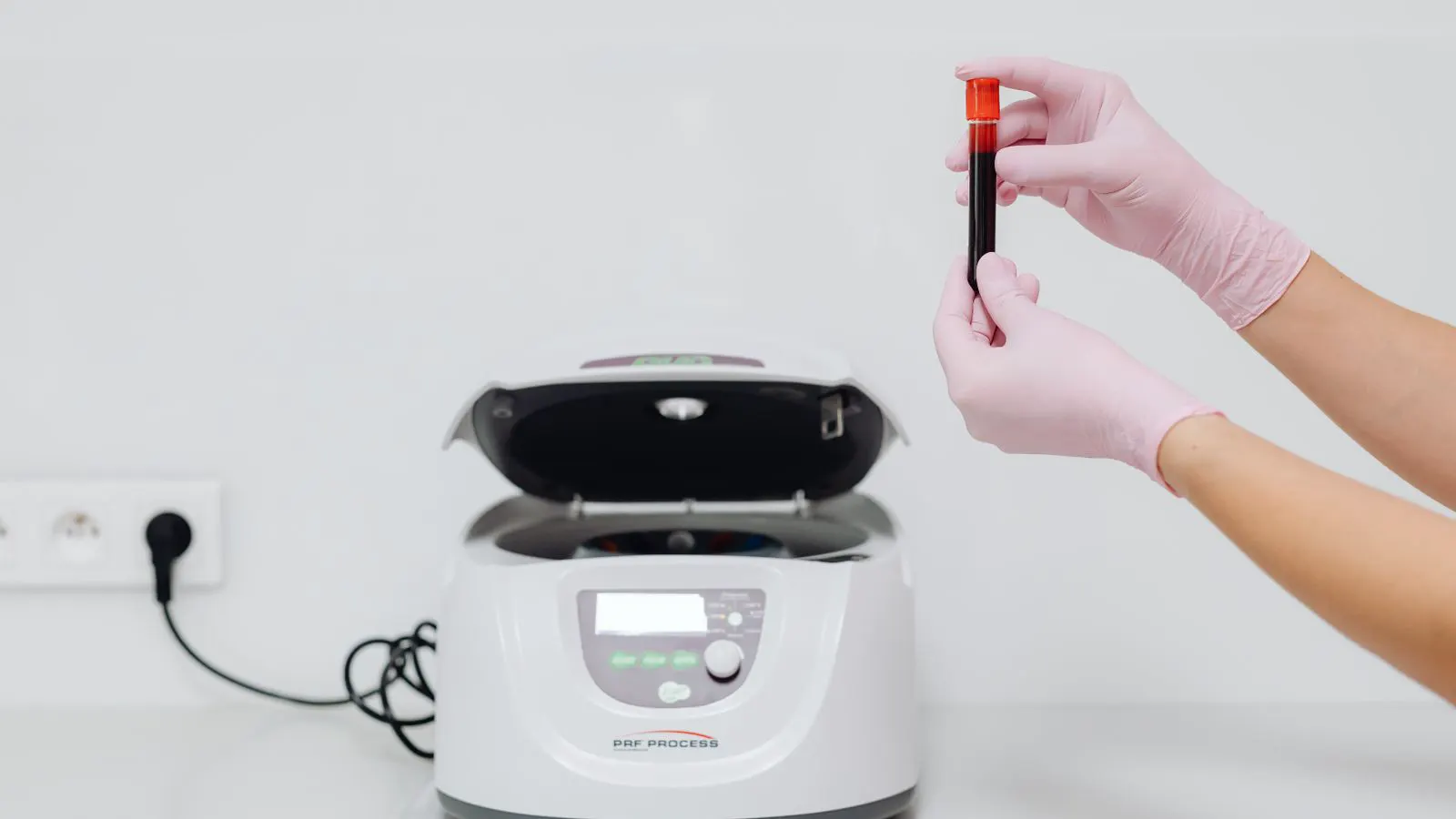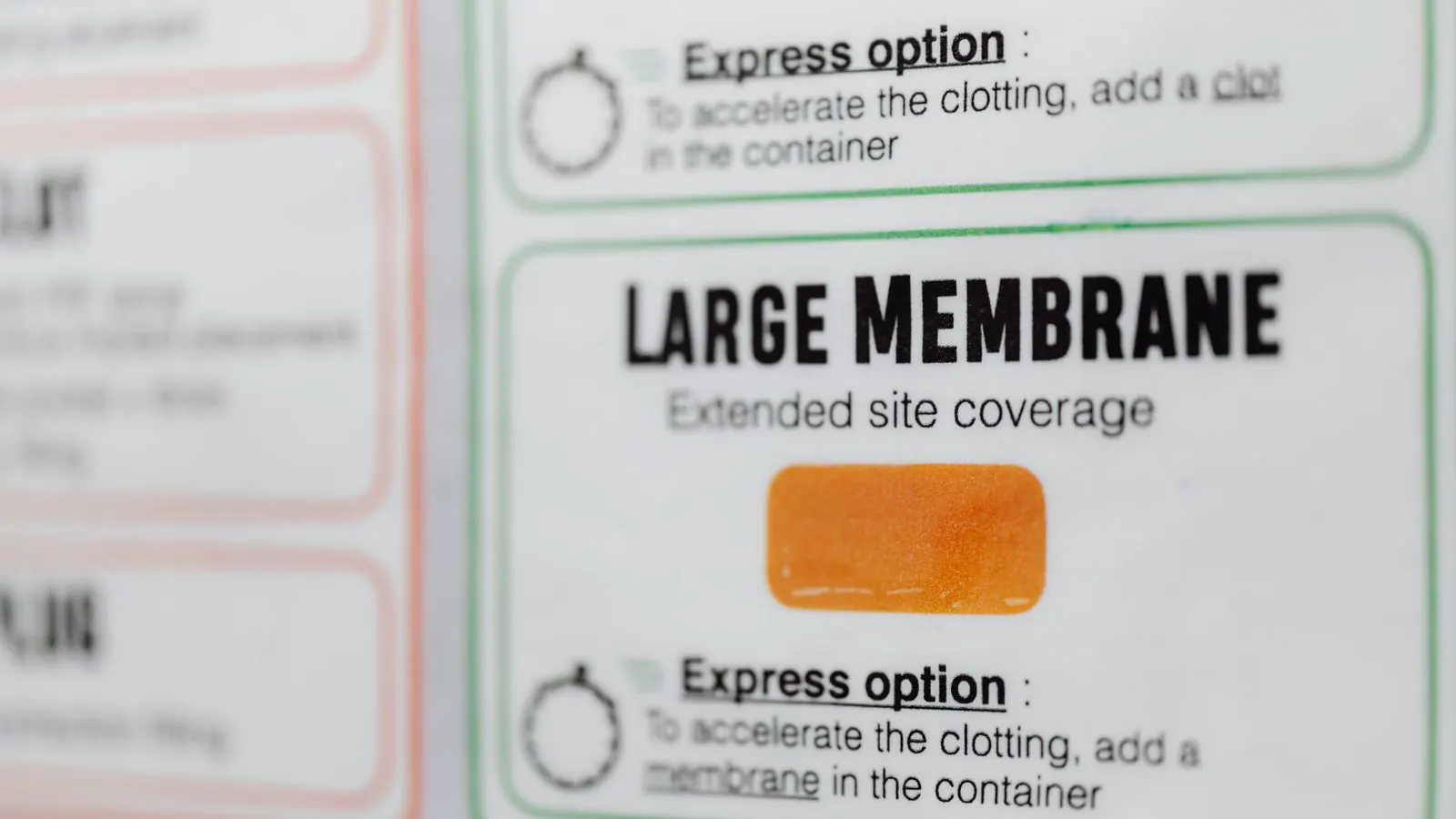
Medical labeling requirements vary by market, affecting how products are sold, imported, and audited. This guide explains the core labeling standards, regulatory compliance rules, and import compliance checks procurement teams need to verify before ordering.
- Medical labeling must satisfy destination market rules, not just the home market, to avoid rejection at customs or market surveillance.
- Labels must clearly identify the manufacturer, registration status, instructions for use, and lot or serial information.
- Regulatory compliance and import compliance checks should be completed before production, not after shipment.
- Procurement teams should require suppliers to provide label templates and regulatory dossiers for review.
- Mislabeling is a common cause of delayed shipments and recalls in global medical consumables sourcing.
Why Medical Labeling Fails in Global Sourcing
Procurement teams often assume that a product approved in one market will move to another without changes. This assumption causes delays. A syringe, IV catheter, or sterile wrap approved in the United States may not meet the label requirements of a European, Asian, or Middle Eastern market.
The failure is rarely technical. It is documentary. The product works. The sterilization process is valid. The packaging is stable. The label, however, is missing required language, uses the wrong font size, or omits the local registration number.
In many markets, customs officers or market surveillance authorities can hold consumables at the border if the label does not match the regulatory file. For procurement professionals, the label is the first visible artifact of regulatory compliance. It is also the document auditors examine during facility inspections.
A weak label can stop a shipment. A strong label can open a market.
What Medical Labeling Must Include
Every regulated market expects a baseline set of information on the product label or the carton label. The exact format differs, but the core elements are consistent across most jurisdictions.
- Manufacturer name and address
- Medical device or consumable name
- Intended use statement
- Lot number, serial number, or batch identifier
- Expiry date or best before date, where applicable
- Sterility status, if relevant
- Instructions for use or reference to an IFU
- Regulatory registration or listing number
- Country of origin
- Symbol definitions, where required
These elements are not decorative. They exist to enable traceability, safe use, and post-market surveillance. If a product is involved in an adverse event, the label is the primary tool used to identify the affected lot and the responsible supplier.
Procurement teams should treat the label as a regulated document, not a graphic design task. The wording, placement, and legibility are subject to review. A label that is technically correct but poorly rendered can still fail inspection.
Regulatory Compliance: Where the Label Fits in the Regulatory Chain
Regulatory compliance is the umbrella term for meeting the rules of a specific market. For medical consumables, this compliance chain starts with the product file and ends at the label.
The product file includes design controls, risk management, sterilization validation, biocompatibility data, and clinical or analytical evidence, depending on the product class. The label is the public-facing summary of that file. If the label promises a use that is not supported by the file, the product is noncompliant.
For example, a sterile drape labeled for “single use” must have documentation that supports single use in that context. A needle labeled “for subcutaneous injection” must match the intended use in the IFU and the registration application. The label is where the regulatory claim becomes visible to the user and the auditor.
In some markets, the label must be submitted as part of the registration application. In others, the label is reviewed during market surveillance or post-approval inspection. Either way, the label is a regulatory artifact. Procurement professionals should expect to see label versions in supplier quality records.
Import Compliance: Labeling at the Border
Import compliance is the subset of regulatory compliance that applies when goods cross a national boundary. Customs and trade authorities check that the goods match the commercial invoice, the packing list, and the regulatory documentation.
A common import compliance failure is a mismatch between the carton label and the shipping documents. If the invoice lists “Sterile Surgical Gowns, Lot A12345” but the carton reads “Sterile Surgical Gowns, Batch 2026-09” without the lot number, the shipment may be held.
Another common issue is language. Some markets require the label to be in the local language. Other markets allow English but require a local translation to accompany the product. The difference matters. A label in English that is missing the mandatory local language elements can be rejected even if the product is otherwise compliant.
For import compliance, procurement teams should verify three things before shipment. First, the label matches the destination market’s required language and format. Second, the registration or listing number is valid in that market. Third, the lot or serial information on the label matches the documents that will accompany the shipment.
Labeling Standards and Practical Checks
Labeling standards are the technical rules that define how the label must be rendered. These standards cover font size, contrast, durability, placement, and the use of symbols. They are distinct from the regulatory content rules, but they work together.
A label can contain all the correct information and still fail if the font is too small, the ink is not permanent, or the label is placed where it can be peeled off during transport. For medical consumables, durability is a real concern. Labels are often exposed to moisture, heat, and handling during storage and distribution.
Procurement teams should request label mockups before production. A mockup shows the actual layout, not just a list of text. It shows where the lot number sits relative to the barcode, whether the expiry date is legible, and whether the symbols are rendered correctly.
The following table summarizes the main criteria buyers should apply when evaluating supplier labeling capability.
| Criterion | What to look for | Why it matters |
|---|---|---|
| Market-specific content | Labels that match the destination country’s required elements, including registration numbers and language | Prevents customs holds and market surveillance rejections |
| Regulatory file alignment | Label claims that match the IFU, registration application, and risk management file | Ensures the product is marketed for a supported intended use |
| Durability and legibility | Font size, contrast, ink adhesion, and placement that survive normal handling | Avoids post-market complaints and traceability failures |
| Version control | Documented label revisions with effective dates and approval records | Supports audit readiness and recall execution |
| Import readiness | Label data that matches commercial documents and destination market rules | Reduces the risk of shipment delays at the border |
| Supplier quality system | Evidence that label changes are managed through change control | Prevents unapproved label changes from reaching the market |
How to Verify Supplier Labeling Capability
Suppliers often describe their labeling process in general terms. Procurement teams need more than a verbal assurance. They need documented evidence.
Ask for the current label template for the specific product and destination market. Ask for the registration or listing number and the authority that issued it. Ask for the IFU that corresponds to the label. Ask for the change control record showing when the label was last revised and who approved the revision.
A supplier that can provide these documents quickly is usually operating within a mature quality system. A supplier that cannot, or that provides only a generic label without market-specific details, presents a compliance risk.
For high-volume consumables, label errors can affect thousands of units before they are detected. The cost of rework is not only the cost of new labels. It is the cost of stopping a production line, holding inventory, and potentially delaying a customer shipment.
Procurement teams should build label verification into the supplier qualification process. Do not wait until the first shipment to discover that the label does not meet the destination market’s requirements.
Decision Checklist for Medical Labeling
Use this checklist before placing an order for medical consumables that will be sold in a new market or a market with unfamiliar rules.
- Confirm the destination market’s regulatory authority and the product class.
- Verify that the product has the required registration, listing, or notification in that market.
- Review the label template for all required content elements, including language, registration number, and intended use.
- Check that the label matches the IFU and the regulatory file for the specific intended use.
- Confirm that the lot or serial number on the label will match the commercial documents and the supplier’s traceability system.
- Verify label durability and legibility through a physical mockup or a high-resolution sample.
- Confirm that the supplier has a documented change control process for label revisions.
- Check that the label includes the manufacturer name, address, and country of origin in the required format.
- Verify that the supplier can provide the registration or listing certificate on request.
- Document the label approval in the purchase order or supplier quality agreement.
If any item in this checklist fails, the order should be held until the gap is closed. A delayed shipment is a manageable risk. A rejected shipment, a recall, or a market surveillance finding is not.
Frequently asked questions
Can a medical device label from one market be used in another market without changes?
Generally no. Each market has its own regulatory authority and its own labeling rules. A label that complies in one market may be missing required elements, language, or registration numbers in another.
Who is responsible for ensuring the label is correct, the manufacturer or the buyer?
The manufacturer is ultimately responsible for regulatory compliance, but procurement teams must verify that the label meets the destination market's requirements. The buyer should not assume that a compliant product in one market is compliant elsewhere.
What is the most common labeling error in global medical consumables sourcing?
The most common error is a mismatch between the label and the commercial shipping documents, or a missing registration number required by the destination market. Both issues can result in customs holds.
Do sterile medical consumables have different labeling requirements than non-sterile consumables?
Sterile products typically require additional labeling elements, such as a sterile indicator, sterilization method, and reprocessing instructions if the product is intended for reuse. Non-sterile products may not require these elements.
How should procurement teams handle label changes after a product is already in the market?
Label changes should be managed through the supplier's change control process. Procurement teams should request written notification of any proposed label change and confirm that the change does not affect regulatory compliance or traceability before approving new shipments.