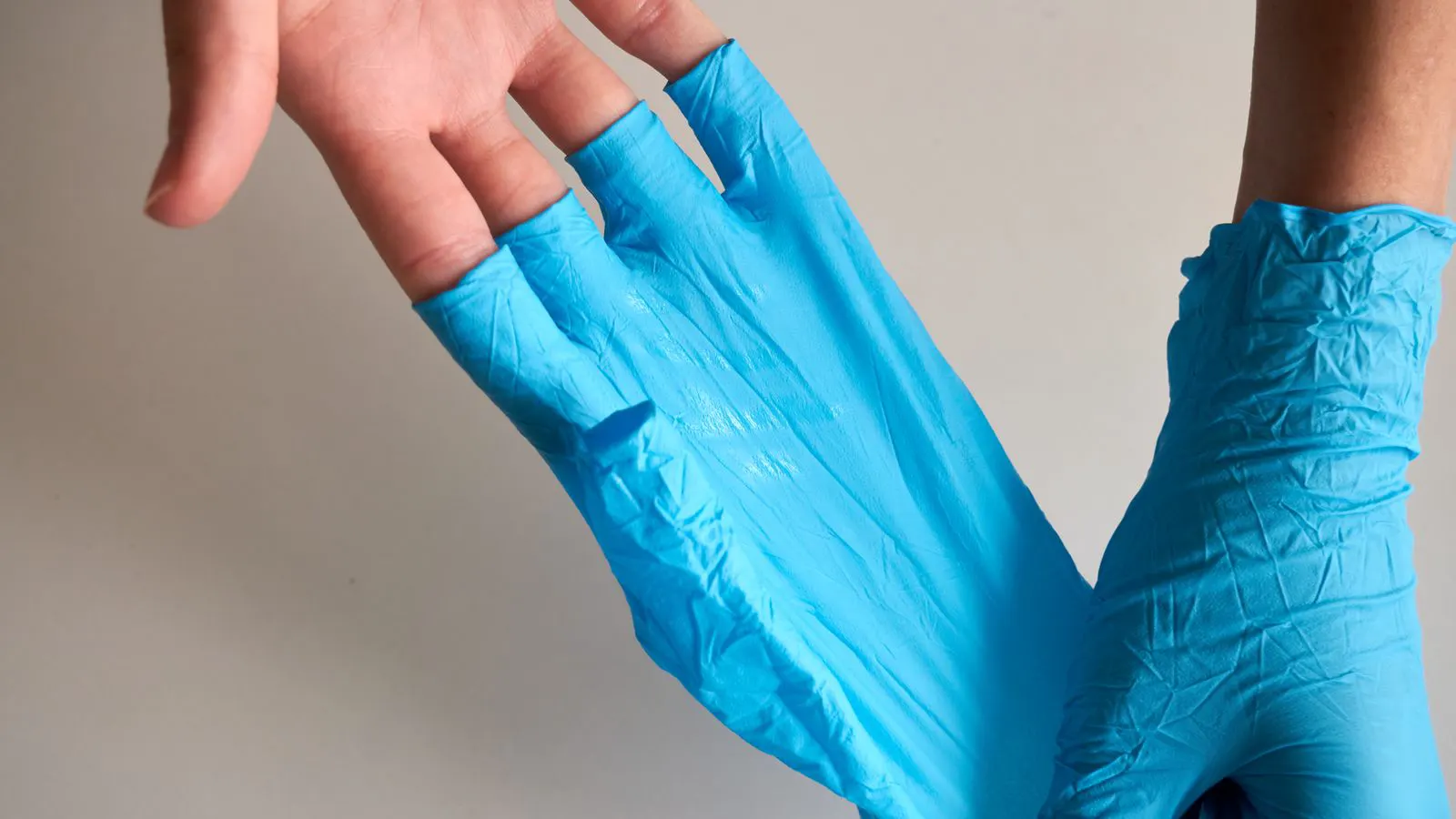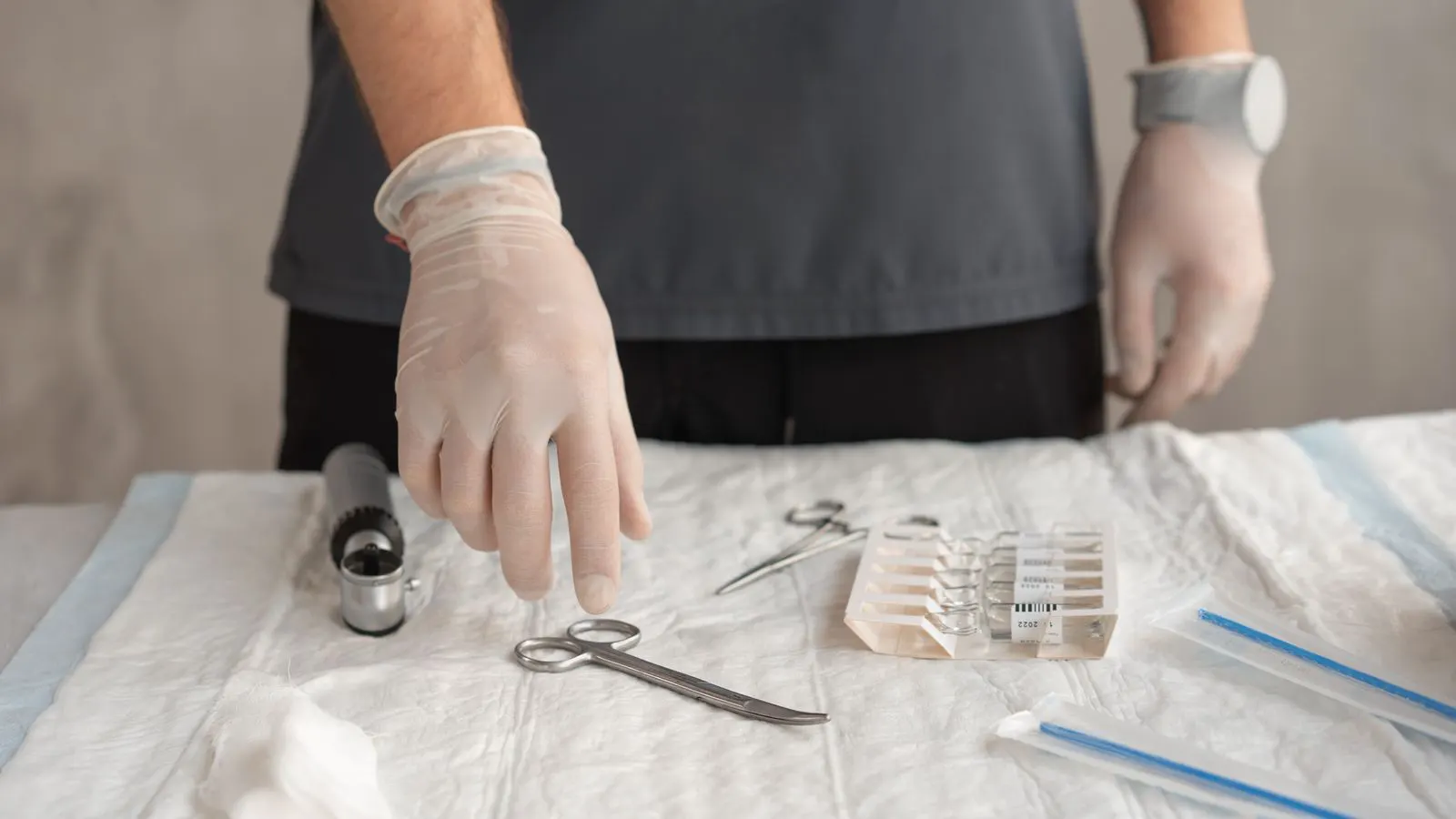
For wet work, nitrile gloves generally offer superior durability and chemical resistance compared to latex. While latex provides excellent tactile feedback, nitrile resists puncture and swelling in liquids. The best choice depends on the specific liquid type and required grip.
- Nitrile gloves resist chemical degradation and puncture better than latex in most liquid environments.
- Latex gloves provide superior tactile sensitivity for delicate tasks but are less resistant to oils and solvents.
- Wet work increases the risk of glove failure due to swelling and reduced grip, requiring careful material selection.
- Allergy concerns remain the primary reason to avoid latex in clinical settings.
- Fit and sizing are critical factors in maintaining grip and preventing leakage.
The Core Difference in Wet Environments
Wet work places unique stress on disposable gloves. Liquid exposure causes materials to swell, change shape, and alter surface friction. This process affects both nitrile and latex gloves, but it does so differently. Nitrile resists swelling better than latex when exposed to many common fluids. It also maintains structural integrity longer when cut by sharp objects while wet. Latex stretches more easily, which helps with tactile feedback but can compromise barrier integrity over time.
The choice between these two materials is not about which is universally better. It is about matching material properties to specific liquid types and task requirements. A facility handling acidic solutions may face rapid latex degradation. A team performing delicate surgical procedures may prioritize the feel of latex over chemical resistance. Understanding these trade-offs prevents costly mistakes and reduces the risk of product failure during critical moments.
Material Behavior Under Liquid Exposure
Nitrile is a synthetic rubber that resists a broad range of chemicals. It does not swell significantly when exposed to water, many alcohols, or mild acids. This stability helps maintain the glove wall thickness and the friction between the palm and the object being handled. When nitrile gloves become wet, the surface tension often increases grip rather than reducing it, provided the glove fits correctly.
Latex is a natural rubber derived from rubber trees. It is highly elastic and offers excellent stretch. However, it is porous in a way that nitrile is not. Some liquids can pass through or degrade latex more quickly. Oils and solvents are particularly problematic for latex, causing it to soften or dissolve. In wet work scenarios involving these substances, latex gloves may fail prematurely. Even with plain water, latex can feel slippery if the powder residue is not fully removed.
Grip Comparison in Liquid Conditions
Grip is a primary concern for workers handling wet items. The palm surface of both materials interacts with liquid differently. Nitrile gloves typically have a textured palm that channels water away from the contact point. This texture helps maintain friction even when hands are submerged or dripping. The material itself feels slightly stiffer than latex, which can translate to more controlled handling of heavy or slippery objects.
Latex gloves offer a different grip profile. The material stretches to conform tightly to the hand, reducing dead space between the skin and the glove. This close fit can enhance tactile sensation. However, when wet, the smooth surface of latex can become slippery unless it is heavily textured. Many manufacturers apply a micro-grip or dust-free finish to latex gloves to address this. If the texture wears away or the glove is not sized correctly, wet work becomes difficult and hazardous.
Durability and Puncture Resistance
Durability in wet work is measured by how long the glove remains intact under mechanical and chemical stress. Nitrile gloves have higher tensile strength than latex. They resist tearing when pulling heavy objects out of liquid. The synthetic nature of nitrile also makes it resistant to punctures from small, sharp objects that might pass through a thinner latex layer. This is a significant advantage in industrial wet processing where debris is common.
Latex gloves are lighter and thinner. They are more susceptible to puncture and tear, especially when the material is stretched thin by the wetness. While they are durable for short tasks, they are less suitable for prolonged wet work involving abrasive surfaces. The elasticity of latex can work against it in these scenarios, as it may snap back or thin out at stress points. For long-shift wet tasks, nitrile is generally the more durable option.
Allergy and Safety Considerations
Allergy is the dominant factor in clinical settings. A significant percentage of healthcare workers have latex allergies. These range from mild skin irritation to severe anaphylactic reactions. Because of this, many hospitals and clinics have moved to latex-free policies. Nitrile gloves are the standard alternative in these environments. They provide a similar barrier protection without the risk of allergic contact dermatitis.
For workers with latex sensitivity, using latex gloves is not an option. Even trace amounts of latex protein can trigger a reaction. Nitrile is hypoallergenic and safe for most users. However, some individuals may be sensitive to other chemical additives used in glove manufacturing. It is standard practice to check the glove packaging for allergen information. In non-clinical wet work settings, allergy is less of a concern, but material sensitivity can still affect user comfort and job performance.
Comparison Table for Selection
| Option | Best for | Limitations |
|---|---|---|
| Nitrile Gloves | Chemical exposure, puncture resistance, long shifts | Slightly less tactile feedback, higher cost per pair |
| Latex Gloves | Delicate tasks, high tactile sensitivity, short duration | Latex allergy, chemical degradation, puncture risk |
| Powdered Nitrile | Grip enhancement in wet conditions | Powder residue, potential skin irritation |
| Powdered Latex | Tactile feel with added slip resistance | Allergy risk, powder residue |
| Unpowdered Nitrile | Sterile environments, food safety | Slightly lower initial grip, requires good fit |
| Unpowdered Latex | Medical procedures requiring dexterity | Allergy risk, higher chemical permeability |
Practical Selection Criteria
Selecting the right glove for wet work requires a systematic approach. Start by identifying the liquid. If the fluid contains solvents, oils, or strong acids, nitrile is the default choice. Latex should be avoided. If the liquid is plain water or mild saline, both materials are viable, but the task dictates the final decision.
Next, assess the task duration. For short, delicate procedures where touch is critical, latex may still be preferred in settings without allergy concerns. For long shifts involving repetitive wet handling, the durability of nitrile prevents frequent replacements. Consider the required grip as well. If objects are smooth and slippery, a textured nitrile glove is often superior. If the task requires fine motor control, the stretch of latex may be advantageous. Finally, verify the size. A glove that is too large will bunch up in wet conditions, trapping liquid and reducing grip. A glove that is too tight will cause fatigue and reduce circulation.
Common Mistakes in Wet Work Glove Use
One common error is assuming that powder-free means no grip. Many workers struggle with wet work because they select gloves that are too smooth. In wet environments, texture is critical. Check the glove specifications for palm treatment. Another mistake is ignoring fit. Wet work magnifies sizing issues. If the glove is not the right size, the seal around the wrist is compromised, allowing water to enter. This leads to cold hands, reduced dexterity, and potential skin maceration.
A third mistake is reusing gloves after they have been exposed to harsh chemicals. Even if a glove looks intact, chemical exposure can weaken the material. Always discard gloves that have been in contact with degreasers or disinfectants. Finally, some workers mix different glove types during a shift. This creates confusion about which material is currently being used and can lead to inconsistent performance. Stick to one type per task to maintain consistency.
Verifying Glove Specifications
Before purchasing, review the manufacturer data sheets. Look for statements on chemical resistance and tensile strength. For wet work, check if the glove is rated for specific fluids. The packaging should list the material composition and any additives. Verify the size chart carefully. Hand circumference and length are the two main dimensions. A mismatch here will lead to performance issues regardless of the material chosen.
It is also worth checking for certifications or standards compliance. While specific standard numbers vary by region, reputable manufacturers provide documentation on their testing methods. Look for information on powder content and allergen status. These details help ensure the gloves meet your facility’s safety and hygiene requirements. Keeping these documents on file helps with audits and training sessions.
Final Considerations for Wet Work
The decision between nitrile and latex gloves for wet work comes down to a balance of safety, performance, and cost. Nitrile offers a broader margin of safety for most wet work scenarios. It handles chemicals, punctures, and long durations better. Latex remains a niche option for specific tasks where tactile sensitivity is paramount and allergy is not a factor. For most industrial and medical facilities, nitrile gloves are the primary choice for wet work. They provide a reliable, durable barrier that performs consistently in liquid environments. Selecting the correct size and texture is just as important as choosing the material. A well-fitted nitrile glove will outperform a poorly fitted latex glove in nearly every wet work application.
Frequently asked questions
Are nitrile gloves more expensive than latex gloves?
Nitrile gloves are generally priced higher than latex gloves per pair. However, their durability in wet work can reduce overall costs by minimizing replacements and chemical exposure risks.
Can latex gloves be used for wet work if I am not allergic?
Yes, latex gloves can be used for wet work if there is no allergy. However, they are less resistant to chemicals and punctures, so they are best suited for short-duration tasks.
What is the best glove for handling acidic liquids?
Nitrile gloves are recommended for handling acidic liquids. They resist chemical degradation and swelling better than latex, maintaining barrier integrity longer.
How do I know if my gloves are the right size for wet work?
Measure your hand circumference and compare it to the manufacturer size chart. The glove should fit snugly without wrinkles, especially at the fingertips and wrist.
Do powder-free nitrile gloves grip as well as powdered ones in wet conditions?
Powder-free nitrile gloves can grip well in wet conditions if they have a textured palm. Powdered gloves may offer initial slip resistance but can leave residue that affects long-term grip.