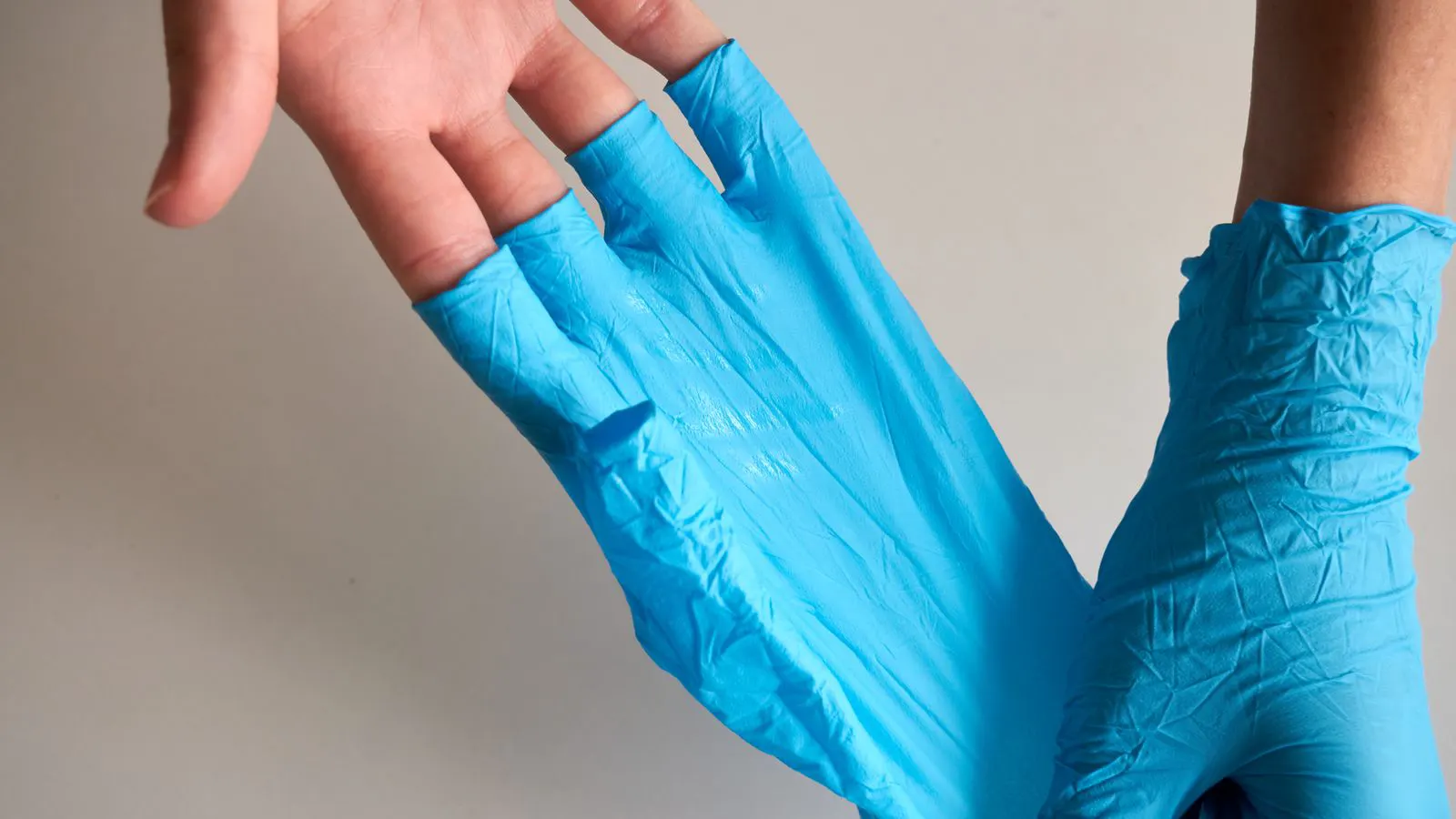
This audit checklist helps buyers verify glove sizes and materials. It covers hand measurements, material compatibility, and PPE verification. Use it to reduce ordering errors and ensure staff fit.
- Measure hand girth and length to match specific glove size charts.
- Confirm material type, such as nitrile or latex, against intended use.
- Check supplier documentation for lot numbers and expiration dates.
- Use a staged verification process to catch errors before bulk orders.
- Record exceptions during verification to improve future purchasing.
Start with the physical hand, not the catalog size
Glove size is not a single number. It depends on hand girth, palm length, and the specific sizing chart used by the manufacturer. A size 9 in one brand may not equal a size 9 in another. Before opening a supplier portal, take a soft tape measure. Measure around the widest part of the palm, excluding the thumb. Record the result in millimeters or centimeters.
Next, measure from the base of the palm to the tip of the middle finger. This length helps distinguish between short and standard lengths. Many surgical and examination gloves offer multiple lengths. A mismatch here causes the glove to ride up or bunch at the wrist.
Do not rely on clothing size or shoe size. These correlate poorly with hand dimensions. Use a small group of staff to establish a baseline. If you are buying for a clinic, hospital, or lab, sample three to five hands. Plot the results on the manufacturer’s chart. If a staff member falls between two sizes, choose the larger size for comfort. A tight glove restricts dexterity and increases breakage risk.
Check the material specification against the task
Material determines chemical resistance, tactile feedback, and biocompatibility. Nitrile offers strong chemical resistance and is often preferred for procedures involving solvents or disinfectants. Latex provides high sensitivity but requires allergy screening. Vinyl is cheaper and less durable, often used for light-touch tasks.
Review the intended task before selecting the material. A glove used for chemical handling must resist the specific agents involved. A glove used for patient contact must maintain tactile sensitivity. If the task involves both, choose the material that handles the higher risk. When in doubt, select the material with the broader resistance profile.
Check the powder status. Powdered gloves are rare in many regulated settings. Powder-free options reduce residue and skin irritation. If powder residue is a known issue in your assembly or handling process, verify that the supplier’s gloves are certified powder-free. Look for clear labeling on the packaging and the safety data sheet.
Verify fit and dexterity with a simple field test
A size chart is a starting point, not a guarantee. After receiving a sample, have staff don the gloves. Pull them up to the wrist. The glove should not slide past the cuff. If it does, the size is too large. If the fingers feel cramped or the skin pulls tightly at the knuckles, the size is too small.
Perform a basic dexterity check. Ask the user to button a shirt, pick up a small screw, or open a vial. Note any lag or discomfort. A glove that fits on the hand but fails in the hand may cause fatigue. Fatigue leads to mistakes.
Check the wrist cuff. It should sit flat against the forearm. A loose cuff traps air and reduces seal integrity. A tight cuff restricts blood flow. Adjust the size if either condition occurs. Record which sizes work well for different staff groups. This data becomes part of your standard ordering profile.
Cross-reference supplier documentation with the physical product
Every shipment should come with documentation. Check the packing list, safety data sheet, and certificate of analysis. Match the part number on the box to the purchase order. A mismatch here indicates a wrong item or a supply chain error.
Look for the lot number. Record it for your files. If a defect appears later, the lot number helps you trace the issue. Check the expiration date. Some gloves degrade over time. A date within the valid range is expected. If the date is close, confirm with the supplier whether the stock is still acceptable.
Compare the physical packaging to the supplier’s website. If the packaging looks different from what you ordered, stop. Do not open the boxes. Contact the supplier for clarification. This step prevents accepting a substitute product without approval.
Use a staged verification process for bulk orders
Do not verify a full pallet at once. Break the order into stages. Stage one is a small sample. Stage two is a larger batch. Stage three is the full order. Verify each stage before releasing the next.
In stage one, check size, material, and fit. In stage two, check documentation and packaging. In stage three, verify quantity and storage conditions. This staged approach catches errors early. It also reduces waste. If stage one fails, you only discard a small sample.
Assign a specific person to each stage. This creates accountability. The verifier records the results in a log. If a defect is found, the log provides a clear trail. This trail helps you discuss the issue with the supplier and adjust future orders.
Red flags that signal a verification failure
Watch for these signs. The glove size does not match the chart. The material label differs from the purchase order. The packaging is damaged or unbranded. The lot number is missing. The expiration date is unclear. The gloves feel stiff or brittle. The powder residue is present in powder-free products.
If you see any of these flags, do not proceed. Set the goods aside. Label them clearly. Contact the supplier immediately. Keep the goods in their original packaging. Do not transfer them to other containers. This preserves the evidence if a formal claim is needed.
A common mistake is assuming that a similar glove is interchangeable. It is not. Different brands use different sizing systems. Different materials have different performance profiles. Even small differences can affect safety and comfort. Verify every order, even if you have bought from the same supplier before.
Keep a living checklist for your team
Create a one-page checklist based on this article. Keep it at the receiving dock. Have the verifier sign and date each entry. Review the checklist monthly. Update it as you learn about new suppliers or products.
Include a section for exceptions. Note any staff members who need a different size. Note any tasks that require a specific material. This makes the checklist a working tool, not a static document.
Share the checklist with procurement and operations. When everyone uses the same standard, errors drop. When errors do happen, the checklist shows where the process failed. This makes it easier to fix the root cause.
| Check Item | What to Verify | Red Flag |
|---|---|---|
| Hand Measurement | Girth and length match chart | Staff report tightness or looseness |
| Material Type | Nitrile, latex, or vinyl as ordered | Label differs from purchase order |
| Powder Status | Powder-free if required | Visible residue on gloves or hands |
| Lot Number | Present and recorded | Missing or illegible lot number |
| Expiration Date | Within valid range | Date close or past expiry |
| Packaging Condition | Intact and labeled | Damaged or unbranded boxes |
- Measure hand girth and palm length with a soft tape.
- Match measurements to the manufacturer’s size chart.
- Confirm the material type against the intended task.
- Perform a fit and dexterity test with sample gloves.
- Cross-reference supplier documentation with the physical product.
- Use a staged verification process for bulk orders.
- Record exceptions and update the checklist monthly.
Final note on consistency
Verification is a habit. It becomes easier when it is part of the routine. Do not skip steps to save time. The time saved is often lost later in replacements, complaints, and staff discomfort. A systematic check takes minutes. It prevents hours of frustration.
Make the checklist visible. Put it where the goods arrive. Train new staff on it. Review it after any incident. The goal is simple. Every pair of gloves that reaches a user fits well and does the job safely. That is the standard you are verifying.
Frequently asked questions
How do I know if a glove size is correct?
Measure hand girth and palm length. Match the results to the manufacturer's chart. The glove should sit flat at the wrist without sliding or bunching.
Can I use the same size chart for different glove brands?
No. Each brand uses its own sizing system. A size 9 in one brand may differ from a size 9 in another. Always use the specific chart provided by the supplier.
What material should I choose for chemical handling?
Nitrile is often preferred for chemical resistance. Check the safety data sheet to confirm compatibility with the specific agents you handle.
Why is the lot number important?
The lot number helps trace the product if a defect appears. It allows you to contact the supplier and isolate affected batches.
What should I do if the packaging looks wrong?
Do not open the boxes. Set the goods aside. Label them clearly. Contact the supplier for clarification before accepting the shipment.