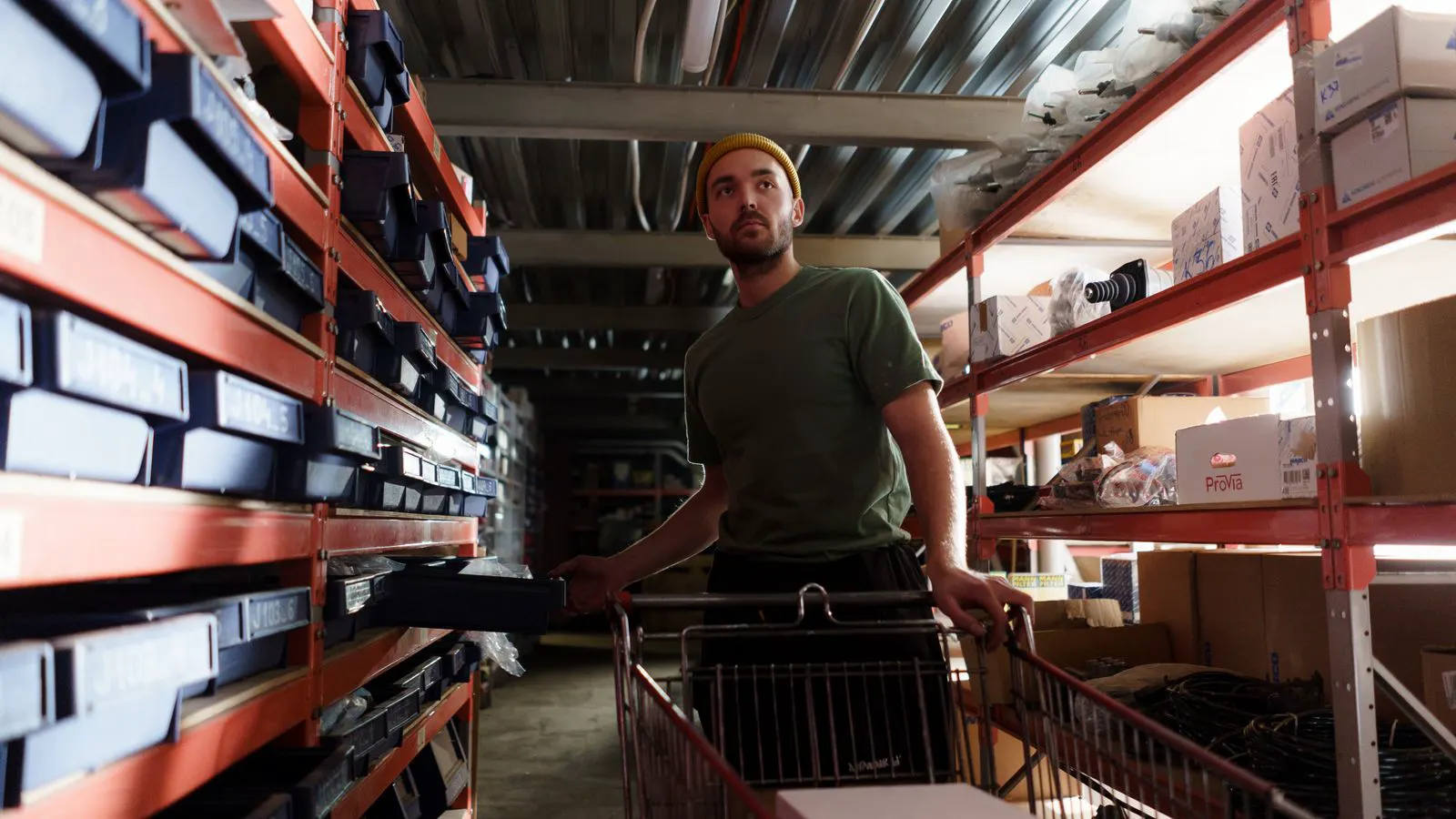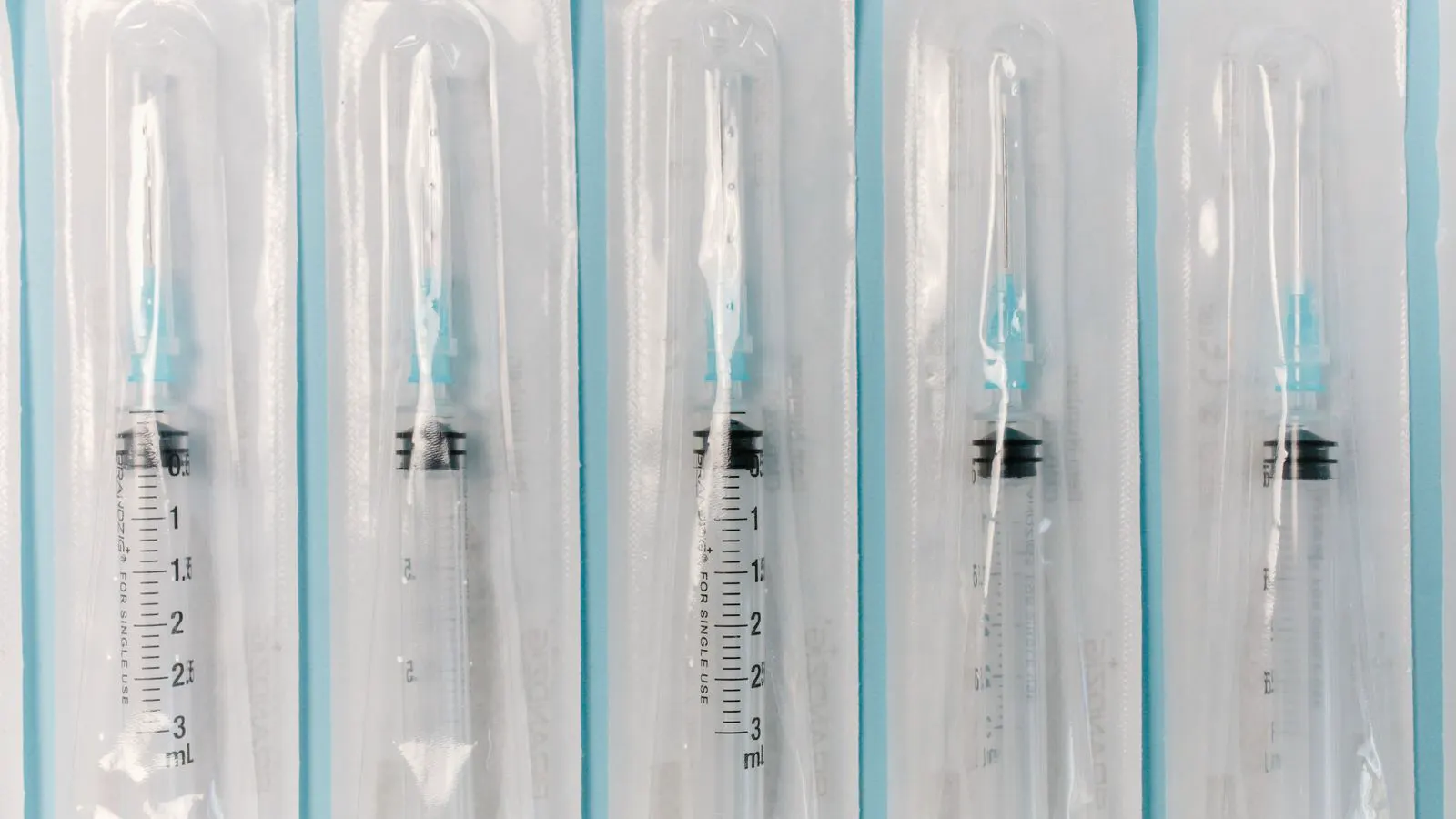
Emerging digital traceability systems are moving beyond basic barcodes toward real-time verification and networked data. Importers must prepare for serialized supply chains, automated identity checks, and integrated visibility platforms to combat counterfeits and manage recall risk effectively.
- Digital traceability is shifting from a compliance add-on to a core procurement requirement for high-risk consumables.
- Serialization is replacing static batch codes with unique, machine-readable identities that support real-time tracking.
- Buyers should begin mapping data exchange formats with suppliers to avoid lock-in and ensure interoperability.
- Supply chain visibility now extends to sub-tier suppliers, requiring deeper contractual and technical alignment.
- Preparing for these shifts means updating SOPs, staff training, and IT infrastructure well before mandatory adoption peaks.
What is changing with digital traceability?
Digital traceability in medical consumables is moving past the stage of simple barcode scanning. The focus is shifting from recording data at the point of manufacture to verifying authenticity at the point of use. Importers who have relied on static batch codes for years are now facing a new expectation: proof that a specific unit, not just a batch, is genuine and has not been tampered with.
This change is driven by two forces. The first is the persistent risk of counterfeit consumables entering the market. The second is the need for faster, more precise recalls. When a defect is found in a specific lot, a serialized system allows a facility to identify every single device that went to a specific clinic or hospital within minutes. A batch code only tells you the date and facility. It does not tell you which patient received which syringe.
For importers, this means the data attached to a product is becoming as important as the product itself. The physical item is no longer just a box; it is a node in a data network.
How does serialization change the role of the importer?
Serialization assigns a unique identifier to each individual consumable. This is typically a serialized barcode or QR code that sits alongside or replaces the traditional human-readable batch and lot numbers. The identifier is linked to a central database that tracks the product from the manufacturer through distributors to the end user.
For an importer, this changes the job from receiving and storing inventory to managing data integrity. You are no longer just checking that the quantity matches the packing list. You are verifying that the digital identity of each unit matches the physical item. A mismatch is not a minor discrepancy. It is a red flag for potential substitution, double-billing, or counterfeit product.
This requires new SOPs. Your receiving team must be trained to scan and verify, not just count. Your IT systems must be able to interface with the manufacturer’s serialization platform. If you cannot ingest the data, you cannot use the system.
| Component | Traditional Batch Code | Serialized Digital Traceability |
|---|---|---|
| Identifier Type | Human-readable and 1D barcode | Unique 2D barcode or data matrix |
| Granularity | Lot or batch level | Individual unit level |
| Recall Scope | Entire batch must be quarantined | Specific units can be isolated |
| Data Link | Minimal, often internal | Extends to manufacturer and end user |
| Counterfeit Risk | Higher, easy to copy | Lower, requires database access |
| Importer Workload | Receiving and storage | Receiving, verification, and data management |
What are the future trends in supply chain visibility?
Supply chain visibility is expanding beyond the direct relationship between the importer and the manufacturer. The trend is moving toward multi-tier visibility, where data is shared with sub-tier suppliers and logistics partners.
In the past, visibility often stopped at the dock. You knew where the truck was and what was inside. Now, the expectation is to know where the components were sourced, when the quality check passed, and how the product was stored during transit. For temperature-sensitive consumables, this means integrating IoT data from shipping containers into your traceability record.
This broader visibility creates a new risk: data overload. Importers will receive more data than they can easily digest. The challenge will be filtering signal from noise. You need to know which data points are mandatory for compliance and which are optional. You also need to know who owns the data and who is responsible for its accuracy.
Another trend is the integration of traceability with procurement platforms. Procurement teams will be able to see the traceability status of a product before they place an order. If a supplier cannot provide full traceability data, it may be flagged as a high-risk source in the procurement system.
How to prepare your IT infrastructure now
You do not need to build a full serialization platform today. However, you need to assess your current IT infrastructure for compatibility.
Start with your ERP and inventory management systems. Can they handle unique identifiers at the unit level? Many standard systems are built around lot-level tracking. Adding unit-level granularity may require a module upgrade or a middleware solution.
Next, look at your data exchange capabilities. Serialization systems use specific data formats and APIs. Ask your potential suppliers what format they use. If they use a standard open format, integration is easier. If they use a proprietary system, you may need a custom connector.
Do not ignore your scanning hardware. If your receiving staff uses low-end handheld scanners, they may struggle with 2D barcodes or data matrices that are small or damaged. Invest in hardware that supports high-speed, high-accuracy scanning.
Finally, consider your cybersecurity. A traceability network is a data network. If a supplier’s serialization portal is compromised, your data could be exposed. Ensure your systems have appropriate firewalls and access controls.
What are the common mistakes importers make?
The most common mistake is treating traceability as a one-time project. It is an ongoing operational change. Importers often implement the scanning process but fail to update their staff training. If a receiver sees a mismatch and does not know what to do, the system fails.
Another mistake is assuming that the supplier will handle all the data management. While the manufacturer is responsible for the core data, the importer is responsible for verifying it at the point of entry. If you do not verify, you are accepting the risk.
A third mistake is ignoring the physical side. Digital traceability only works if the physical item is intact. If a label is peeling off a pouch, the scanner cannot read the code. You need procedures for handling damaged labels. This includes having a backup process, such as manual entry with a photo, or a replacement policy with the supplier.
How does this affect supplier selection?
Digital traceability is becoming a key criterion in supplier selection. When you evaluate a vendor, ask for a sample of their serialization data. Ask how they handle recalls. Ask how they integrate with their logistics partners.
A supplier that is resistant to traceability is a red flag. It suggests they may be using sub-tier suppliers who do not follow good practices. It may also suggest they are not prepared to meet the regulatory demands of the markets you are importing into.
Conversely, a supplier that goes above and beyond with traceability can be a strategic partner. They can provide you with data that helps you manage your inventory more efficiently and respond faster to market changes.
Practical steps for the next 12 months
- Audit your current receiving processes. Identify where batch codes are scanned and where they are not.
- Review your contracts with key suppliers. Look for clauses related to data sharing and traceability standards.
- Map your IT dependencies. List the systems that store product data and identify any gaps in unit-level tracking.
- Engage with one or two trusted suppliers. Ask them to walk you through their serialization process.
- Update your SOPs. Include steps for verifying digital identity, not just physical count.
Final thoughts
The shift toward digital traceability is not about adding more work for the sake of work. It is about reducing risk. It is about being able to prove, with data, that the consumables you are selling are genuine and safe.
Importers who prepare now will have a competitive advantage. They will be better positioned to meet regulatory requirements, respond to recalls, and build trust with their end customers. Importers who wait will face a steep learning curve later, with higher costs and more disruption.
The technology is ready. The data is available. The only question is whether you are ready to manage it.
Frequently asked questions
What is the difference between a batch code and a serialized code?
A batch code identifies a group of items produced at the same time. A serialized code identifies each individual item within that group. Serialization allows for unit-level tracking, which is more precise for recalls and authenticity checks.
Do I need to implement serialization if I am a small importer?
You should not ignore it. Even small importers face the same risk of counterfeit products. You may not need a full internal system, but you should verify the digital identity of products at the point of receiving.
How do I verify the authenticity of a serialized product?
You scan the unique identifier and check it against the manufacturer's database or a trusted third-party verification platform. If the data matches and the status is "valid," the product is likely authentic.
What happens if a label is damaged?
You should have a backup procedure. This could involve scanning an adjacent label, using a manual entry form with a photo, or contacting the supplier for a replacement. The key is to document the issue and prevent the product from entering stock until it is verified.
How long does it take to implement a serialization system?
It varies depending on your IT infrastructure and the complexity of your supply chain. A basic scanning and verification setup can be in place in a few months. A full integration with supplier portals and multi-tier visibility may take a year or more.